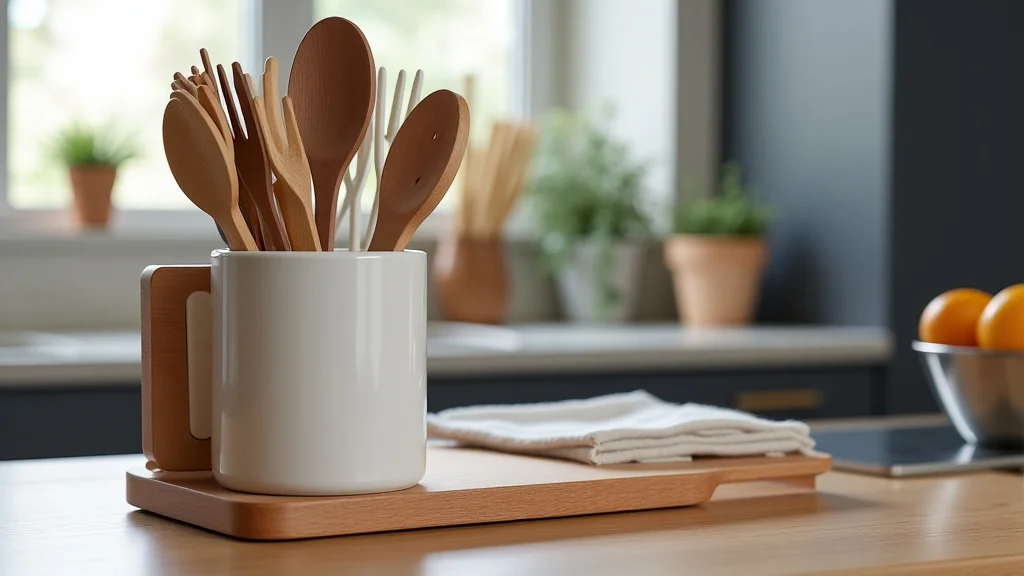
Have you ever reached into a drawer for a whisk, only to find a tangled mess of spatulas and spoons? A well-organized kitchen makes cooking easier and more enjoyable. One simple solution is a kitchen utensil holder.
But when you start shopping, you might wonder about the kitchen utensil holder price. This guide will help you understand the costs involved and find the perfect holder for your needs and budget.
Key Takeaways
- Understand the factors influencing kitchen utensil holder prices.
- Learn about different materials and their cost implications.
- Discover price ranges for various styles and sizes.
- Get tips for finding the best value for your money.
- Know when to invest in a higher-priced, durable option.
Understanding Kitchen Utensil Holder Price Factors
The price of a kitchen utensil holder can vary significantly, much like the price of a good chef’s knife. Several elements combine to determine how much you’ll spend. Thinking about these factors upfront helps you set a realistic budget and find a holder that offers the best value.
It’s not just about the item itself, but also what it’s made of, how it’s made, and where you buy it.
Material Makes a Difference
The material used to construct a utensil holder is one of the biggest drivers of its price. Common materials range from affordable plastics and metals to more premium options like ceramic, wood, and even specialized alloys. Each material brings its own set of characteristics, affecting durability, aesthetics, and, of course, cost.
- Plastic holders are often the most budget-friendly. They are lightweight, easy to clean, and come in many colors. However, they may not be as durable as other options and can sometimes look less elegant in a kitchen. The price typically falls between $5 and $20, depending on brand and design complexity.
- Stainless steel is a popular choice for its durability, resistance to rust, and modern look. It’s easy to wipe clean and can withstand heavy use. Stainless steel utensil holders generally range from $15 to $40. Higher-end models might feature brushed or polished finishes, adding to the cost.
- Ceramic holders offer a classic and often decorative appeal. They can add a touch of elegance to your countertop. While attractive, ceramic can be heavier and prone to chipping or breaking if dropped. Prices for ceramic holders can vary widely, from $20 for simple designs to $50 or more for artisanal or branded pieces.
- Wood holders, especially those made from hardwoods like bamboo or maple, can be beautiful and eco-friendly. They bring a natural warmth to the kitchen. Wood requires specific care to prevent drying or warping. Expect to pay between $25 and $60 for a quality wooden utensil holder.
- Specialty materials like copper or brushed nickel may command higher prices due to their unique aesthetic and perceived value. These can range from $40 upwards.
Design and Features Impact Cost
Beyond the material, the design and added features of a utensil holder also play a role in its kitchen utensil holder price. Simple, cylindrical holders are usually less expensive than those with multiple compartments, rotating bases, or decorative embellishments. Special finishes, like hammered metal or intricate ceramic patterns, also increase the manufacturing cost and, consequently, the retail price.
Consider a basic stainless steel cylinder versus a stainless steel holder with three distinct sections for different types of utensils. The latter requires more precise manufacturing and tooling, leading to a higher price point. Similarly, a holder with a non-slip base or a removable drip tray might cost a bit more due to these functional additions.
Brand Reputation and Manufacturing Origin
Just like with any product, well-known brands often charge a premium for their name and reputation. Established kitchenware brands may have higher prices associated with their products, reflecting perceived quality and customer service. Manufacturing origin can also be a factor.
Items made in countries with higher labor costs might be priced higher than those produced elsewhere. While not always the case, it’s something to note when comparing prices.
Where You Shop Matters
The retail environment influences pricing too. You might find different kitchen utensil holder price points at various retailers. Department stores, kitchen specialty shops, online marketplaces, and discount stores all have their own pricing strategies.
Online retailers can sometimes offer more competitive prices due to lower overheads, but you might miss the chance to see the product in person. Local kitchen stores might offer expert advice and unique selections, often at a slightly higher price.
Common Kitchen Utensil Holder Styles and Their Prices
The variety of utensil holders available means there’s a style to fit almost any kitchen decor and need. The form factor and intended use directly influence the kitchen utensil holder price you will encounter. Understanding these styles helps you zero in on what you are looking for.
Countertop Holders
These are the most common type, designed to sit directly on your kitchen counter. They come in a vast array of shapes, sizes, and materials. Their primary function is to keep frequently used utensils easily accessible while cooking.
A simple, medium-sized countertop holder made of plastic might cost around $10. A larger, more robust stainless steel or ceramic version could range from $25 to $50. Specialty designs, like those with a rustic farmhouse look or a sleek modern aesthetic, can push the price up further, potentially to $60 or more, especially if they feature unique materials like hammered copper.
Key Features of Countertop Holders
- Accessibility: Keeps everyday cooking tools within easy reach while preparing meals. This is the main benefit, saving you time and effort.
- Variety: Available in numerous materials, colors, and styles to match any kitchen decor. This allows for personalization and integration with existing aesthetics.
- Capacity: Varies greatly in size, from small holders for a few essential items to large ones that can accommodate a full set of utensils. Choosing the right size depends on your cooking habits and the number of utensils you own.
Drawer Organizers
While not strictly “holders” in the countertop sense, drawer organizers serve a similar purpose for utensils stored within drawers. These are inserts that divide drawer space, preventing utensils from becoming a jumbled mess. They are excellent for maintaining order and protecting your utensils.
Plastic drawer organizers are very affordable, often priced between $10 and $30. Wooden or bamboo organizers might cost $20 to $45. For more specialized organizers, such as expandable models or those with individual slots for specific items like knives or spatulas, prices can range from $30 to $70.
Benefits of Drawer Organizers
- Neatness: Keeps drawers tidy and prevents utensils from clattering or getting damaged. A clean drawer means you can find what you need quickly.
- Space Optimization: Maximizes the usable space within a drawer by creating defined compartments. This is particularly useful for smaller kitchens with limited storage.
- Protection: Prevents utensils from scratching each other, prolonging their lifespan. This is especially important for premium knives or coated cookware tools.
Wall-Mounted Holders
For kitchens where counter space is at a premium, wall-mounted options are a fantastic solution. These can include racks with hooks, magnetic strips, or caddies that attach to the wall. They free up valuable counter and drawer space.
Simple wall racks with hooks typically range from $15 to $35. Magnetic knife strips, which can also hold metal utensils, might cost $20 to $50. More elaborate wall-mounted caddies or tiered systems could be priced from $40 to $80 or more, depending on the materials and capacity.
Advantages of Wall-Mounted Solutions
- Space Saving: Frees up valuable counter and drawer real estate, ideal for small kitchens. This makes the kitchen feel more open and functional.
- Easy Access: Keeps frequently used items visible and within easy reach, just like countertop holders. This can streamline cooking processes.
- Decorative Potential: Can add a stylish element to your kitchen decor, especially if you choose a visually appealing design or group utensils artfully.
Rotating Carousel Holders
These countertop holders feature a base that allows the entire unit to spin. This makes it incredibly easy to find the utensil you need without having to shuffle through others. They are usually designed with multiple compartments.
A basic rotating holder might start around $25 for a plastic or simple metal model. More sophisticated designs made of stainless steel or with higher-quality bearings can cost between $40 and $75. Some high-end models may even feature additional accessories or unique aesthetic touches.
Why Choose a Rotating Holder
- Convenience: Allows for effortless access to all stored utensils with a simple turn of the carousel. This significantly reduces searching time.
- Organization: Typically features multiple compartments, helping to separate different types of utensils effectively. This prevents overcrowding.
- Compact Storage: Despite their rotating feature, they often have a relatively small footprint on the counter. They bring a lot of storage into a limited space.
Comparing Kitchen Utensil Holder Price Ranges
When you’re looking at the kitchen utensil holder price, it’s helpful to see it laid out by material and style. This comparison helps you align your expectations with your budget and decide what features are most important to you. Prices are approximate and can vary based on specific brands, retailers, and sales.
| Material/Style | Estimated Price Range (USD) | Key Characteristics |
|---|---|---|
| Plastic Countertop Holder | $5 – $20 | Lightweight, colorful, easy to clean, less durable. |
| Stainless Steel Countertop Holder | $15 – $40 | Durable, rust-resistant, modern look, easy maintenance. |
| Ceramic Countertop Holder | $20 – $50+ | Decorative, classic, can be heavy, fragile. |
| Wood Countertop Holder (Bamboo, Maple) | $25 – $60 | Natural aesthetic, eco-friendly, requires care. |
| Plastic Drawer Organizer | $10 – $30 | Affordable, functional, good for basic organization. |
| Wood/Bamboo Drawer Organizer | $20 – $45 | Natural look, durable, good for specific drawer types. |
| Wall-Mounted Rack/Hooks | $15 – $35 | Space-saving, accessible, simple design. |
| Magnetic Strip | $20 – $50 | Versatile for metal items, sleek, space-saving. |
| Rotating Carousel Holder | $25 – $75 | Convenient access, organized compartments, moderate footprint. |
| Specialty Materials (Copper, etc.) | $40 – $100+ | Unique aesthetics, premium feel, higher cost. |
As you can see, a basic plastic holder might only cost a few dollars, making it an extremely budget-friendly option. If you are looking for something more durable and aesthetically pleasing, stainless steel or ceramic options are readily available within a moderate price range. For those who prioritize natural materials and design, wood options can be a great choice, though they tend to be at the higher end of the mid-range.
Specialty materials like copper or high-end designer pieces can significantly increase the kitchen utensil holder price, sometimes reaching over $100. These are often chosen for their statement-making appearance or unique craftsmanship rather than pure functionality, though they certainly provide that too.
Finding Value in Your Kitchen Utensil Holder Purchase
Getting the best value doesn’t always mean buying the cheapest option. It means finding a product that meets your needs, lasts a long time, and fits within your budget. Smart shopping habits can lead to significant savings and a more satisfying purchase.
Prioritize Durability and Functionality
When considering kitchen utensil holder price, think about how long you want the item to last and how well it needs to perform. A cheap plastic holder might crack or warp after a year, requiring replacement. Investing a bit more in a stainless steel or ceramic holder could mean it lasts for a decade or more.
Consider the weight of your utensils; a flimsy holder might tip over if overloaded.
Functionality is also key. Do you need multiple compartments? A rotating base?
A design that is easy to clean? Prioritizing these features upfront will help you avoid buying a holder that looks nice but doesn’t serve your kitchen’s needs effectively.
Look for Sales and Discounts
Kitchenware frequently goes on sale, especially around holidays or major shopping events. Keep an eye out for discounts at your favorite home goods stores, kitchen specialty shops, and online retailers. Signing up for newsletters from these stores can alert you to upcoming sales.
Online marketplaces often have a wide variety of brands and price points. Comparing prices across different platforms can help you identify the best deal. Sometimes, slightly older models or items from less prominent brands offer excellent quality at a lower kitchen utensil holder price.
Read Reviews and Get Recommendations
Before making a purchase, especially for a mid-range or higher-priced item, read customer reviews. Real-world feedback can highlight hidden flaws or confirm excellent performance. Look for comments about durability, ease of cleaning, stability, and overall satisfaction.
Ask friends or family for recommendations; they might have a kitchen utensil holder they love and can point you to.
Consider Bundles and Sets
Sometimes, you can get better value by purchasing a utensil holder as part of a larger kitchen organization set. These sets might include drawer organizers, spice racks, or other storage solutions. While the initial cost might be higher, the per-item price can be lower than buying each piece separately.
Common Myths Debunked
Myth 1: All utensil holders are the same regardless of price.
This is not true. While basic functionality might be similar, the kitchen utensil holder price often reflects differences in material quality, durability, design complexity, and brand reputation. Higher-priced holders are typically made from more robust materials like stainless steel or high-grade ceramic, offering better longevity and aesthetics.
Myth 2: Expensive utensil holders are always better.
Not necessarily. While a higher price can indicate better quality, it can also reflect brand marketing or premium materials not essential for everyone. The “best” holder depends on your specific needs, kitchen style, and budget.
A moderately priced, well-made holder can often be just as functional and durable as a very expensive one.
Myth 3: You need a very large holder for a busy kitchen.
Not always. A large holder might seem necessary for a lot of utensils, but it can also take up too much counter space and lead to disorganization if not managed. A well-designed holder with multiple compartments, or even a rotating carousel, can manage a large utensil collection efficiently in a smaller footprint.
Sometimes, using two smaller holders or combining a holder with drawer organizers is more effective.
Myth 4: Utensil holders only serve a functional purpose.
While functionality is primary, utensil holders can also be significant decorative elements in a kitchen. Many are designed with aesthetics in mind, using materials and finishes that complement kitchen decor. A stylish ceramic holder or a sleek stainless steel one can enhance the overall look of your countertop, proving they can be both practical and attractive.
Frequently Asked Questions
Question: What is the average price for a good quality kitchen utensil holder
Answer: The average price for a good quality kitchen utensil holder typically ranges from $20 to $50. This range generally covers options made from durable materials like stainless steel, ceramic, or solid wood, offering a balance of functionality, durability, and aesthetic appeal.
Question: Are plastic utensil holders worth the low price
Answer: Plastic utensil holders can be worth it if you are on a very tight budget or need a temporary solution. They are inexpensive and come in many colors. However, they are often less durable and can scratch or melt over time, meaning you might need to replace them more frequently than a higher-quality option.
Question: Can a wall-mounted utensil holder be as functional as a countertop one
Answer: Yes, wall-mounted utensil holders can be just as functional, if not more so, especially for small kitchens. They free up counter space and keep utensils accessible. The functionality depends on the design, such as the number of hooks or the type of caddy, ensuring you can store and retrieve your tools easily.
Question: What is the best material for a kitchen utensil holder for durability
Answer: For maximum durability, stainless steel is an excellent choice. It is resistant to rust, corrosion, and easy to clean. High-quality ceramic and solid hardwoods like bamboo or maple are also very durable options, though they may require slightly more care to maintain their appearance and integrity.
Question: How much should I expect to spend on a rotating utensil holder
Answer: You can expect to spend anywhere from $25 to $75 on a rotating utensil holder. Basic plastic or simple metal models fall at the lower end of this range, while those made from stainless steel with smooth-turning mechanisms and good compartment design will be at the higher end.
Conclusion
The kitchen utensil holder price varies widely, but understanding material, style, and features helps you find the right fit. From basic plastic options under $20 to elegant ceramic or wood holders in the $40-$60 range, value exists at every price point. Prioritize durability and function for long-term satisfaction.