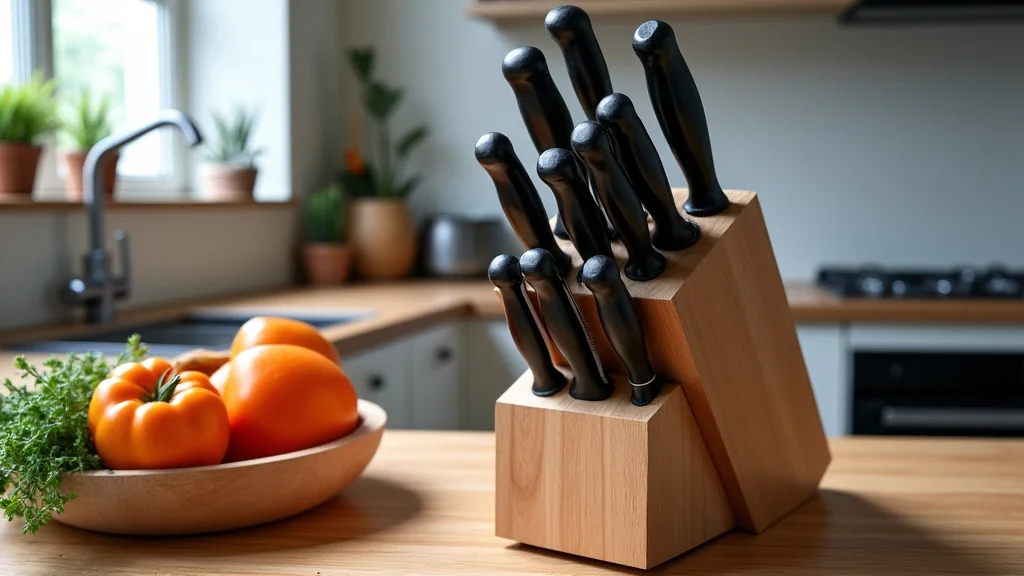
Ever stood in the kitchen aisle, staring at a wall of knife blocks, wondering which one offers the best value? It’s a common feeling. You want a functional, attractive way to store your knives safely, but the price tags can make your head spin.
This guide will help you make sense of the various factors that influence kitchen knife block price. You’ll learn how to choose a block that fits your budget and your needs, ensuring your knives stay sharp and your kitchen looks great.
Key Takeaways
- Knife block prices vary widely based on material, brand, and features.
- Understanding material differences helps justify price points.
- Brand reputation significantly impacts the cost of knife blocks.
- Consider the number of slots and unique features when budgeting.
- Finding the right balance between quality and kitchen knife block price is achievable.
Understanding Kitchen Knife Block Price Factors
The cost of a kitchen knife block isn’t a random number; it’s a reflection of several key elements. Think of it like buying a car – a basic model will cost less than a fully loaded one. The same logic applies here.
Materials play a huge role. A block made from solid hardwood, like maple or bamboo, will naturally cost more than one made from plastic or metal. The craftsmanship also matters.
Hand-carved details or intricate joinery add to the labor and therefore the price. Even the finish, whether it’s a simple oil or a complex lacquer, can influence the final price.
Material Matters for Knife Blocks
The type of material used for your knife block is one of the biggest drivers of its price. Wood is a popular choice, and within wood, there are different tiers. Hardwoods like maple, walnut, and cherry are durable and aesthetically pleasing.
They resist scratches and wear better than softer woods. Bamboo is another excellent option, known for its sustainability and strength. It often falls into a mid-range price point.
Plastic knife blocks are usually the most budget-friendly. They are lightweight and easy to clean. However, they might not offer the same level of stability or visual appeal as wood.
Metal knife blocks, often stainless steel, can be quite modern looking. They are durable and easy to wipe down. Their price can vary greatly depending on the quality of the metal and the design.
Wood Types and Cost
- Hardwoods (Maple, Walnut, Cherry) These woods are dense and durable, offering excellent longevity. They typically command higher prices due to their superior quality and aesthetic appeal. They provide a stable base for your knives and are less prone to nicks and scratches from daily use. The natural grain patterns also add to their visual charm, making them a centerpiece in many kitchens.
- Bamboo This sustainable and rapidly renewable resource offers a good balance of durability and cost. Bamboo blocks are often lighter than solid hardwood blocks but still provide ample strength. They have a unique, clean look that fits well with modern kitchen designs. Bamboo is also resistant to moisture, making it a practical choice.
- Softer Woods (Pine, Poplar) While less common for high-end blocks, some budget options might use softer woods. These are less expensive but can show wear and tear more quickly. They might require more care to maintain their appearance over time.
For example, a solid maple knife block from a reputable brand might cost between $80 and $150. A similar-sized bamboo block could range from $40 to $80. Plastic blocks can often be found for under $30, while high-end stainless steel blocks might start at $100 and go upwards.
Brand Reputation and Price
Just like with any product, well-known brands often charge a premium for their name and the perceived quality associated with them. Companies that have been in the kitchenware business for decades have built a reputation for reliability and excellent craftsmanship. This reputation allows them to price their products higher than lesser-known or generic brands.
When you buy from a brand like Wusthof, Shun, or Global, you’re not just buying a knife block; you’re investing in their heritage and quality control. These brands often use superior materials and have rigorous testing processes. This can translate into a knife block that lasts a lifetime.
On the other hand, generic or store-brand knife blocks might offer similar basic functionality at a significantly lower kitchen knife block price. If budget is your primary concern and you don’t necessarily need the prestige of a high-end brand, these can be perfectly adequate. However, it’s wise to read reviews to ensure the quality is still acceptable for your needs.
Recognized Brands vs. Budget Options
- Premium Brands (e.g., Wusthof, Shun) These brands are synonymous with quality and performance. Their knife blocks are crafted with attention to detail, often using premium materials and advanced designs. Expect a higher kitchen knife block price, but also expect exceptional durability and a sophisticated look. They often come with long warranties.
- Mid-Range Brands (e.g., OXO, Joseph Joseph) These brands offer a good balance between quality and affordability. You get reliable products with thoughtful designs that perform well for everyday use. The materials are generally good, and the construction is solid. They are a great choice for many home cooks.
- Value Brands (e.g., Store Brands, Generic) These brands focus on providing basic functionality at the lowest possible price. While they can be a good starting point, the materials and construction might be less durable. It’s important to check product specifications and user reviews carefully.
A Wusthof knife block might cost upwards of $120, while a comparable block from a value brand could be under $30. This difference highlights the impact of brand on kitchen knife block price.
Types of Knife Blocks and Their Cost Implications
The design of a knife block itself significantly impacts its utility and, consequently, its kitchen knife block price. There are several common types, each with its own set of pros and cons. Knowing these differences helps you determine what features are worth paying for.
Slot vs. Universal Knife Blocks
Traditional knife blocks have pre-cut slots for specific knife types, like chef’s knives, paring knives, and bread knives. These are often found in sets. The advantage is that each knife has a snug, secure home.
The disadvantage is that they can be inflexible. If you buy a new knife with a slightly different blade shape, it might not fit.
Universal knife blocks offer more flexibility. They often use a denser material, like bristles or rods, into which you can . This makes them suitable for a variety of knife sizes and shapes.
They are excellent for those who have a diverse collection of knives or frequently change their knife set.
Slot-Based Blocks
- Pre-shaped Slots These blocks are designed with specific cutouts for different knife types. This ensures a precise fit, protecting the blades and handles. They are often found in knife block sets that are curated for specific culinary needs.
- Limited Flexibility If your knife collection grows or changes, you might find that new knives don’t fit the pre-existing slots. This can be frustrating and might require purchasing an additional block or a different type of storage.
- Aesthetic Appeal Many slot-based blocks have a classic and organized look, which can be appealing for traditional kitchen designs.
Universal Blocks
- Flexible Storage Universal blocks, using materials like fibers, rods, or magnetic strips, allow you to store knives of various shapes and sizes. This adaptability is a major advantage for collectors.
- Blade Protection While offering flexibility, ensure the material doesn’t dull your blades over time. High-quality universal blocks use materials that are gentle on knife edges.
- Modern Look Many universal blocks, especially those with acrylic or transparent elements, offer a contemporary aesthetic.
A premium slot-based hardwood block might be priced similarly to a mid-range universal block. For instance, a 12-slot hardwood block could be $90, while a bristle universal block might be $70. The choice often comes down to personal preference and the collection of knives you own.
Other Knife Block Designs
Beyond the standard upright block, other designs cater to different kitchen layouts and preferences. Magnetic knife strips are popular for wall mounting, freeing up counter space. These can be made from wood or metal and vary in strength and size.
In-drawer knife holders are also a great option for a clutter-free countertop. They provide safe storage without taking up precious surface area.
Carved wood blocks with unique patterns or integrated cutting boards can also add to the kitchen knife block price. These are often seen as decorative pieces as well as functional storage. Some blocks even have built-in knife sharpeners, adding extra utility and potentially increasing the cost.
Specialty Designs
- Magnetic Strips These mount to a wall, keeping knives readily accessible and off the counter. They come in various lengths and materials, such as wood or stainless steel. Ensure the magnets are strong enough for your knives.
- In-Drawer Organizers These slide into your drawers, providing slots for individual knives. They keep knives hidden and protected while maximizing drawer space. They are ideal for small kitchens or for those who prefer a minimalist look.
- Carved or Decorative Blocks Some blocks are crafted with artistic flair, featuring intricate carvings or unique shapes. These can serve as both storage and decorative elements in the kitchen.
- Multi-functional Blocks Blocks with integrated features like sharpeners or small compartments for other utensils can offer added convenience.
A good quality magnetic strip might cost $30-$60. An in-drawer organizer could range from $20-$40. These specialty items often have a lower kitchen knife block price than large countertop blocks, but their value lies in space-saving or convenience features.
Factors Affecting Kitchen Knife Block Price Summary
To recap, the kitchen knife block price is a blend of several factors. Material quality, such as solid hardwoods versus plastic, is a primary driver. The reputation and heritage of the brand also contribute significantly to the cost.
The design and type of block—whether it has specific slots, universal storage, or mounts to a wall—also play a role.
Furthermore, the number of slots available will influence the price. A block designed to hold ten knives will naturally cost more than one designed for only four. Finally, any extra features, like a built-in sharpener or a unique aesthetic finish, can add to the overall expense.
| Factor | Impact on Price | Example Price Range |
|---|---|---|
| Material | High (Wood) to Low (Plastic) | $20 – $150+ |
| Brand | High (Premium) to Low (Value) | $30 – $120+ |
| Type | Varies (Universal can be higher) | $40 – $100+ |
| Number of Slots | Higher number means higher price | $30 – $150+ |
| Extra Features | Adds cost | +$10 – $50+ |
How to Get the Best Value for Your Kitchen Knife Block Price
Finding a great kitchen knife block that doesn’t break the bank is entirely possible. It’s about smart shopping and knowing what to prioritize. Start by assessing your needs.
How many knives do you own? What types of knives are they? Do you plan to expand your collection significantly?
If you have a small set of knives, a compact block or an in-drawer organizer might be perfect and more affordable. If you have a large and varied collection, a universal block might offer better long-term value, even if its initial price is a bit higher than a basic slot block.
Don’t be afraid to look at brands that are not the absolute top-tier. Many excellent mid-range brands offer durable and attractive knife blocks that are perfect for home cooks. Reading online reviews can be invaluable here, providing insights from other users about the quality and longevity of a product.
Budgeting for a Knife Block
When setting a budget, consider the lifespan of the product. A cheaper block that needs replacing in a year or two might end up costing more in the long run than a slightly more expensive one that lasts a decade. Think about the materials.
For instance, a solid bamboo block often offers a great balance of durability, aesthetics, and price, typically falling in the $40-$80 range.
Look for sales and discounts, especially around holidays or during major shopping events. Many retailers offer deals on kitchenware. Consider purchasing a knife block as part of a set if you also need new knives, as sets can sometimes offer a better overall value.
Value-Conscious Choices
- Prioritize Material Quality A good quality wood like bamboo or a dense composite material will offer better value over time than cheap plastic. Focus on durability to avoid frequent replacements.
- Consider Your Knife Collection If you have a few specific knives, a smaller, well-designed slot block might be sufficient and cost-effective. For diverse collections, a flexible universal block offers more long-term utility.
- Read Reviews Carefully User reviews can highlight potential flaws or unexpected strengths of a product. They offer real-world insights that marketing materials often miss. Look for comments on stability, blade protection, and overall durability.
- Watch for Sales and Promotions Many retailers have regular sales on kitchenware. Keeping an eye out can help you snag a higher-quality block at a discounted price.
For example, a $60 bamboo universal block might be a better long-term investment than a $25 plastic block that might crack or warp after a year.
Maintaining Your Knife Block
Proper maintenance can extend the life of any knife block, regardless of its price. For wooden blocks, occasional wiping with a damp cloth is usually sufficient. Avoid soaking them in water, as this can cause wood to warp or crack.
Some wooden blocks may benefit from occasional oiling with food-grade mineral oil to keep the wood conditioned.
Universal blocks with bristles or rods can usually be cleaned by shaking them upside down to remove debris. If necessary, they can be wiped with a damp cloth. For magnetic strips, a simple wipe-down is all that’s needed.
Keeping your knife block clean ensures it remains a hygienic and attractive addition to your kitchen.
Common Myths Debunked
Myth 1: All knife blocks are bad for knives.
This is not true. While poorly designed or damaged knife blocks can dull or chip knife blades, a good quality knife block, whether it has slots or uses a universal system, is designed to protect your knives. Proper slot size and material, or the gentle nature of universal storage materials, ensure blades remain sharp and undamaged.
Myth 2: Expensive knife blocks are always better.
While premium brands and materials often come with higher price tags, they are not always the only good option. Many mid-range or even some value-priced blocks offer excellent quality and durability. It’s more about finding a block that matches your specific needs and budget, rather than assuming the highest price equals the best product.
Myth 3: You need a block to store knives safely.
A knife block is a popular and effective way to store knives safely, but it’s not the only method. Magnetic strips, in-drawer organizers, and even knife guards for individual blades can also provide safe storage. The key is to keep knives protected and their sharp edges away from accidental contact.
Myth 4: Universal knife blocks will dull blades faster.
High-quality universal knife blocks are made with materials like natural fibers or flexible plastic rods that are designed to be gentle on knife edges. If you buy a universal block made from very hard materials or one that is cheaply constructed, there might be a risk. However, reputable universal blocks are formulated to prevent excessive blade wear.
Frequently Asked Questions
Question: What is the average kitchen knife block price?
Answer: The average kitchen knife block price can range significantly, from about $25 for basic plastic models to over $150 for premium hardwood or designer blocks. Mid-range options typically fall between $40 and $80.
Question: Are wooden knife blocks worth the higher price?
Answer: Wooden knife blocks, especially those made from hardwoods like maple or walnut, are often worth the higher price due to their durability, aesthetic appeal, and ability to protect knife blades over the long term.
Question: Should I buy a knife block with pre-cut slots or a universal one?
Answer: If you have a specific set of knives and like an organized look, pre-cut slots are great. If you have a varied collection or plan to buy more knives, a universal block offers more flexibility.
Question: How many slots does a typical knife block have?
Answer: Typical knife blocks can have anywhere from 4 slots for a small collection to 15 or more slots for larger sets. The number of slots influences the size and price of the block.
Question: Can I put any type of knife in any knife block?
Answer: While universal blocks are designed for variety, slotted blocks are best used with knives that fit the intended slots. Forcing knives can damage blades or the block itself.
Conclusion
Choosing the right kitchen knife block involves balancing your budget with your storage needs and aesthetic preferences. By considering materials, brand reputation, and block type, you can find a functional and attractive option. A good knife block protects your tools and enhances your kitchen’s appearance, making it a worthwhile investment at any kitchen knife block price point.