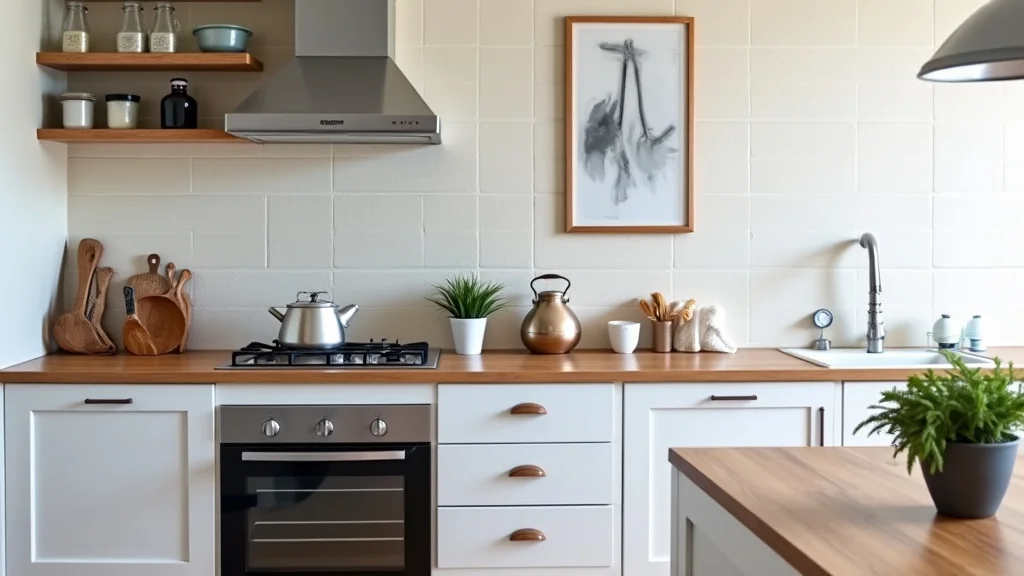
Planning a kitchen renovation can feel overwhelming, especially when you start looking at costs. You envision your dream kitchen, but then you see the price tags for cabinets and wonder how to make it work within your budget. It’s a common feeling many homeowners share.
This post will break down everything you need to know about kitchen wall cabinet price, from what influences it to how you can find the best value.
Key Takeaways
- Cabinet materials significantly impact the final price.
- The size and number of cabinets needed directly affect the total cost.
- Custom cabinets are more expensive than stock or semi-custom options.
- Hardware, finishes, and installation add to the overall budget.
- Understanding these factors helps you make informed decisions for your kitchen project.
Factors Affecting Kitchen Wall Cabinet Price
The cost of kitchen wall cabinets can vary widely, making it challenging to set a precise budget without understanding the key drivers. Several elements combine to determine the final price tag, from the basic materials used to the intricate details of the design and construction. Think of it like building blocks; each piece adds to the overall structure and its associated cost.
These factors include the type of wood or material used, the construction style of the cabinet box, the complexity of the door and drawer fronts, the finish applied, and the hardware chosen. Even the way the cabinets are assembled and installed plays a role. Understanding each of these components is crucial for homeowners aiming to manage their renovation expenses effectively and achieve the kitchen they desire without unexpected surprises.
Material Choices and Their Impact
The material from which your kitchen wall cabinets are made is one of the biggest determinants of their price. Different materials offer varying levels of durability, aesthetic appeal, and cost. Homeowners often choose between solid wood, plywood, particleboard, and medium-density fiberboard (MDF).
Solid wood, such as oak, maple, or cherry, is a premium choice. It’s known for its strength, beauty, and longevity. However, it is also the most expensive option.
Plywood is a good mid-range material, offering excellent stability and resistance to warping. It’s made by layering thin sheets of wood veneer together.
Particleboard and MDF are generally the most budget-friendly options. Particleboard is made from wood chips and sawdust bonded together with resin. MDF is created from wood fibers that are compressed and bonded with wax and resin.
While more affordable, these materials can be less durable and more susceptible to moisture damage than solid wood or plywood.
- Solid Wood: Offers superior durability and a natural, premium look. Examples include oak, maple, cherry, and hickory. This is typically the most expensive material choice.
- Plywood: A strong and stable option, often used for cabinet boxes and sometimes for doors. It’s made of thin wood layers glued together. It’s a good balance between cost and quality.
- MDF (Medium-Density Fiberboard): A cost-effective material made from wood fibers. It provides a smooth surface ideal for painted finishes and is stable, but it can be heavier and susceptible to water damage.
- Particleboard: The least expensive option, made from wood particles, sawdust, and resin. It’s often used for cabinet interiors or as a core for veneers. It’s less durable and prone to damage from moisture.
A study by the National Kitchen & Bath Association found that the average cost of cabinetry materials for a mid-range kitchen can represent 30-40% of the total project budget. For higher-end kitchens, this percentage can increase significantly, primarily driven by material choices like premium solid woods.
Cabinet Construction Styles
Beyond the raw material, how a cabinet is constructed also significantly influences its kitchen wall cabinet price. The construction method affects both the structural integrity and the visual appearance of the cabinet. There are three main categories of cabinet construction: stock, semi-custom, and custom.
Stock cabinets are pre-made in standard sizes and styles. They are the most affordable and readily available option. You can find them at big-box home improvement stores.
While they offer cost savings, your choices in terms of size, style, and finishes are limited. This means you might have to compromise on some design aspects to fit your space or aesthetic.
Semi-custom cabinets offer a middle ground. They start with a base of stock cabinets, but you can then choose from a wider range of modifications, such as different door styles, finishes, and additional storage features. This allows for more personalization and a better fit for your kitchen layout.
Because of the added flexibility and manufacturing process, they are more expensive than stock cabinets but less costly than fully custom options.
Custom cabinets are built to your exact specifications. You can choose every detail, from the dimensions and wood species to the door design and finish. This offers ultimate flexibility and allows for perfectly fitted cabinets that maximize your kitchen’s space and your personal style.
However, this level of personalization comes with the highest price tag, reflecting the specialized craftsmanship and design involved.
- Stock Cabinets: Manufactured in standard sizes and limited styles. They are the most economical choice and readily available.
- Semi-Custom Cabinets: Built on a stock cabinet frame with options for modification in size, style, and finish. Offers a balance of cost and customization.
- Custom Cabinets: Made to order with complete control over dimensions, materials, styles, and finishes. The most expensive but offers a perfect fit and unique design.
When considering construction styles, think about your priorities. If budget is the primary concern, stock cabinets are a practical choice. If you need a specific size or style that isn’t standard, semi-custom cabinets can be a great compromise.
For unique kitchen layouts or a truly bespoke look, custom cabinets are the way to go, provided your budget allows.
Door Styles and Finishes
The style of the cabinet doors and the finish applied to them play a significant role in both the aesthetics and the overall kitchen wall cabinet price. These elements are often what people notice first about their cabinets and contribute greatly to the kitchen’s overall look and feel.
Door styles range from simple and modern to ornate and traditional. Flat-panel or Shaker-style doors are popular for their clean lines and versatility, often being more budget-friendly. Raised-panel or carved designs tend to be more complex to manufacture, increasing their cost.
The material used for the doors also influences price, with solid wood doors costing more than those made from MDF or laminate.
Finishes can include paint, stain, or glaze. Painted finishes are very popular and offer a wide spectrum of color choices. However, achieving a flawless painted finish requires careful preparation and application, which can add to labor costs.
Stains reveal the natural grain of the wood, offering a warm and classic look. The type of stain and the number of coats applied will affect the price.
Glazes add an extra layer of depth and accentuation, often used to highlight decorative details on the doors. This decorative process adds to the cost. Moreover, the durability of the finish is important.
Higher-quality, more durable finishes will cost more upfront but can last longer and resist wear and tear better over time, potentially saving money in the long run.
| Door Style | Description | Typical Price Impact |
|---|---|---|
| Flat Panel (Slab) | Simple, flat surface. Modern and minimalist. | Lower |
| Shaker | Center panel inset within a frame. Versatile and popular. | Moderate |
| Raised Panel | Center panel is raised from the surface of the frame. Traditional and elegant. | Higher |
| Recessed Panel | Center panel is set back from the frame. | Moderate |
The complexity of the door design, the type of wood, and the application process for the finish all contribute to the final cost. A simple painted MDF door will be considerably less expensive than a stained solid cherry wood door with a carved detail.
Hardware and Accessories
While not part of the cabinet box itself, the hardware and accessories you choose can add a surprising amount to the total kitchen wall cabinet price. These are the functional and decorative elements that allow you to open, close, and organize your cabinets.
Hardware typically includes hinges and drawer slides, as well as handles or knobs. Hinges and slides come in various qualities and functionalities. Basic metal hinges are standard, but soft-close hinges and full-extension drawer slides add a touch of luxury and convenience, increasing the cost.
These premium options provide a smoother user experience and prevent doors and drawers from slamming shut.
Handles and knobs are where you can really express your style, but they also vary greatly in price. Simple metal or plastic knobs can be very inexpensive, often costing a few dollars each. Designer hardware made from materials like crystal, polished brass, or intricate wrought iron can cost tens or even hundreds of dollars per piece.
For a kitchen with many cabinets and drawers, the cost of hardware can add up quickly.
Beyond basic hardware, consider internal accessories that enhance organization and functionality. These can include pull-out shelves, drawer organizers, spice racks, lazy Susans, and trash pull-outs. Each of these add-on features comes with its own price tag.
For example, a high-quality pull-out trash bin mechanism can cost upwards of $100-$200, while a simple spice rack insert might be $50-$100.
- Hinges and Slides: Basic options are affordable, while soft-close and full-extension mechanisms increase cost and functionality.
- Knobs and Pulls: Prices range from a few dollars for basic styles to over $100 per piece for designer options.
- Internal Organizers: Features like pull-out shelves, drawer dividers, and spice racks add significant value and cost.
When budgeting for cabinets, don’t forget to allocate funds for these often-overlooked components. They are essential for making your kitchen truly functional and can significantly impact the overall user experience. Sometimes, investing in better quality hardware upfront can pay off in terms of durability and reduced maintenance.
Estimating Your Kitchen Wall Cabinet Cost
Estimating the cost of your kitchen wall cabinets requires careful measurement and an understanding of the pricing structures of different cabinet types. It’s not just about the number of cabinets, but their size, style, and materials.
To start, you need to measure your kitchen space accurately. This includes the height, width, and depth of each wall where cabinets will be installed. Note the locations of windows, doors, and any existing plumbing or electrical outlets that might affect cabinet placement.
It’s also important to decide on the cabinet layout and configuration you want, such as upper cabinets, base cabinets, and pantry units.
Once you have your measurements and layout in mind, you can begin to get estimates. For stock cabinets, you can often use online design tools provided by retailers. These tools allow you to input your dimensions and select cabinet styles, providing a running total.
For semi-custom and custom cabinets, you will need to consult with a kitchen designer or cabinet manufacturer. They will work with your measurements and design preferences to provide a detailed quote.
A common rule of thumb is to budget around 10-30% of your total kitchen renovation cost for cabinetry. However, this can fluctuate significantly based on your choices. For a basic kitchen remodel, the cabinetry might cost between $5,000 and $15,000.
For more high-end or custom kitchens, this figure can easily climb to $20,000 to $50,000 or more.
Understanding Linear Foot Pricing
One of the most common ways cabinet prices are quoted, especially for stock and semi-custom lines, is by linear foot. This method simplifies the pricing process by providing an average cost for a foot of cabinet space, regardless of the specific cabinet sizes within that foot.
Essentially, you measure the total length of cabinet space you need along a wall. For example, if you have a wall that requires 10 feet of upper cabinets and 12 feet of base cabinets, you have a total of 22 linear feet of cabinetry. The price per linear foot will then be multiplied by this total to give you a ballpark figure for the cabinetry cost.
This price per linear foot will vary significantly based on the brand, material, and style of the cabinets you choose.
For instance, a budget-friendly stock cabinet might cost $150-$250 per linear foot. Mid-range semi-custom cabinets could range from $300-$600 per linear foot. High-end custom cabinetry can easily exceed $700-$1000 per linear foot.
It’s important to remember that this is an average. A cabinet with a more complex door style or a premium finish might push the average linear foot cost up.
- Stock Cabinets: Often range from $150 to $250 per linear foot.
- Semi-Custom Cabinets: Typically range from $300 to $600 per linear foot.
- Custom Cabinets: Can start at $700 and go up to $1,000+ per linear foot.
When receiving quotes based on linear feet, always ask for a detailed breakdown. This ensures you understand what is included. Does the price per linear foot cover all cabinet boxes, doors, shelves, and basic hardware?
Are there additional charges for specific features like soft-close drawers or decorative moldings? Clarifying these details prevents budget surprises down the line.
The Role of Installation Costs
The price of kitchen wall cabinets is often quoted for the cabinets themselves, but installation costs are a separate and significant expense that must be factored into your overall budget. The complexity of your kitchen layout, the type of cabinets, and your location can all influence how much you’ll pay for installation.
Professional installation ensures that your cabinets are hung level, securely fastened, and properly aligned. This is crucial for both the aesthetic appeal and the long-term functionality of your kitchen. A poorly installed cabinet can sag, drawers may not open smoothly, and doors might not close properly, leading to frustration and potential damage.
For stock cabinets, installation might be simpler, but it still requires skilled labor. Semi-custom and custom cabinets, with their greater potential for adjustments and precise fitting, often demand more time and expertise from installers. This generally translates to higher installation fees.
Installation costs can be charged by the hour or as a flat rate per cabinet. Hourly rates can vary widely depending on your region and the experience of the installer, typically ranging from $50 to $150 per hour. A flat rate per cabinet might range from $100 to $500 or more, depending on the size and complexity of the cabinet.
Consider these additional factors:
- Demolition and Removal: If you are replacing old cabinets, the cost of demolition and disposal of the old units will be an additional expense.
- Electrical and Plumbing Modifications: Sometimes, installing new cabinets requires minor adjustments to electrical outlets or plumbing lines, which can add to the labor cost.
- Wall Preparation: Uneven walls can make installation more challenging and may require repairs before cabinets can be hung.
A rough estimate for professional cabinet installation can range from $100 to $500 per cabinet, or an hourly rate of $50-$150 for the installer. For a complete kitchen remodel, installation can add anywhere from $1,000 to $5,000 or more to your total project cost, depending on the scale of the job.
Finding Affordable Kitchen Wall Cabinet Solutions
Achieving a beautiful and functional kitchen doesn’t always mean breaking the bank. There are several strategies you can employ to find affordable kitchen wall cabinet solutions without compromising too much on quality or style.
One of the most effective ways to save money is by considering stock cabinets. As mentioned earlier, these are pre-made and come in standard sizes. While your design options are limited, they are significantly cheaper than custom or even semi-custom cabinets.
You can often find good quality stock cabinets from large home improvement retailers or directly from cabinet manufacturers.
Another approach is to look for sales and discounts. Many retailers offer seasonal sales or promotions on cabinetry. Keeping an eye out for these can lead to substantial savings.
You can also explore options for slightly older models or discontinued lines, which are often sold at a reduced price to clear inventory. This requires a bit more searching and flexibility on your part.
Refacing or refinisihing existing cabinets is also a very cost-effective option if your current cabinet boxes are still in good condition. Refacing involves replacing the cabinet doors and drawer fronts with new ones, and often covering the existing cabinet boxes with a new veneer or laminate. This can give your kitchen a completely new look for a fraction of the cost of new cabinets.
Refinishing, which involves sanding, painting, or staining existing doors and boxes, is even more economical.
Exploring Ready-to-Assemble (RTA) Cabinets
Ready-to-assemble (RTA) cabinets have become a popular option for budget-conscious homeowners looking for a good balance of cost and quality. These cabinets are manufactured in a factory and shipped flat-packed to the consumer, who then assembles them at home.
The primary advantage of RTA cabinets is their significantly lower price point compared to pre-assembled stock, semi-custom, or custom cabinets. By eliminating the costs associated with factory assembly and often reducing shipping expenses due to their flat-packed nature, RTA cabinets can offer substantial savings. Many RTA cabinets are made from plywood, offering better durability than particleboard, and come in a variety of styles and finishes.
The main drawback is that you, or someone you hire, will need to assemble them. While manufacturers provide detailed instructions and often include all necessary hardware, assembly can be time-consuming and requires some basic DIY skills. If you’re not comfortable with assembly, you’ll need to factor in the cost of hiring someone to do it for you.
However, even with professional assembly, RTA cabinets can still be cheaper than fully assembled options.
- Cost Savings: RTA cabinets are generally 30-50% less expensive than pre-assembled cabinets.
- Material Quality: Many RTA cabinets are made from durable plywood, offering good value.
- Assembly Required: This is the main trade-off for the lower cost.
- Style Variety: Available in a wide range of modern and traditional styles and finishes.
Online retailers specializing in RTA cabinets have made them more accessible than ever. You can often find high-quality RTA options that mimic the look and feel of more expensive cabinets, provided you are willing to put in the effort for assembly.
The Value of Refacing and Refinishing
If your existing kitchen cabinets are structurally sound but outdated in style or finish, refacing or refinishing them can be a remarkably cost-effective alternative to a full cabinet
Cabinet refacing involves replacing the visible surfaces of your cabinets. This typically means new doors and drawer fronts, as well as covering the cabinet boxes with a matching veneer or laminate. It’s like giving your cabinets a new “skin.” You can choose from a vast array of new door styles and finishes, completely transforming the appearance of your kitchen.
Refacing is generally less expensive than replacing cabinets but more costly than refinishing.
Cabinet refinishing, on the other hand, is the most budget-friendly option. It involves sanding down the existing cabinet doors and boxes, and then applying a new coat of paint or stain. This process revitalizes the existing surfaces and allows you to change the color or update the look of your cabinets.
While it doesn’t change the door style, a fresh coat of paint or a new stain can make a dramatic difference in the overall aesthetic of your kitchen.
Here’s a comparison:
| Method | Description | Approximate Cost Savings vs. New Cabinets | DIY Friendliness |
|---|---|---|---|
| New Cabinets | Complete replacement of all cabinet components. | N/A | Low |
| Refacing | Replacing doors/drawer fronts, covering boxes. | 40-60% | Moderate to High (with hired help) |
| Refinishing | Sanding and repainting/restaining existing surfaces. | 60-80% | High |
Both refacing and refinishing require careful preparation and execution to achieve professional-looking results. However, the potential savings can be substantial, making them excellent options for homeowners on a tighter budget who want to update their kitchen’s look and feel.
Common Myths Debunked
Myth 1: All custom cabinets are extremely expensive.
Reality: While custom cabinets are generally the most expensive option, the price can vary significantly based on material choices, design complexity, and the cabinet maker. It’s possible to opt for custom cabinets made from more budget-friendly woods or with simpler door styles, which can bring the cost down considerably compared to the highest-end custom options. Comparing quotes from several custom cabinet makers is essential.
Myth 2: Particleboard cabinets are a terrible choice for any kitchen.
Reality: While particleboard is less durable and more susceptible to moisture than plywood or solid wood, it is a perfectly acceptable and economical material for cabinet boxes, especially for upper cabinets that do not face the same wear and tear or moisture exposure as base cabinets. When properly sealed and used in drier environments, particleboard cabinets can last for many years, especially if they are of good quality construction. Many budget-friendly cabinet lines utilize particleboard for its affordability.
Myth 3: You must hire a professional to install kitchen cabinets.
Reality: While professional installation ensures the best results, many homeowners with good DIY skills can successfully install stock or RTA cabinets themselves. This can lead to significant savings on installation costs. However, it’s crucial to have the right tools, follow instructions carefully, and be prepared for potential challenges like uneven walls.
For custom or complex installations, professional help is often recommended.
Myth 4: All wood cabinets are the same price.
Reality: The type of wood used for cabinets greatly impacts their price. Common hardwoods like oak and maple are mid-range in cost. More exotic or premium woods such as cherry, walnut, or mahogany are significantly more expensive.
The grain pattern, hardness, and availability of a wood species all contribute to its market price.
Frequently Asked Questions
Question: How much do kitchen wall cabinets typically cost per linear foot?
Answer: Kitchen wall cabinet prices per linear foot can range widely, from about $150-$250 for budget stock cabinets, $300-$600 for semi-custom options, and $700-$1000 or more for high-end custom cabinets.
Question: What is the most affordable type of kitchen cabinet?
Answer: Stock cabinets, especially those made from particleboard or laminate, are generally the most affordable. Ready-to-assemble (RTA) cabinets also offer significant cost savings if you are willing to assemble them yourself.
Question: Does the finish on cabinets affect the price?
Answer: Yes, the finish can affect the price. Painted finishes can be more expensive due to the labor involved in achieving a smooth, durable coat. Glazes and other specialty finishes also add to the cost.
Question: Are custom cabinets worth the extra cost?
Answer: Custom cabinets can be worth the extra cost if you need specific dimensions, unique design features, or a perfect fit for an unusually shaped kitchen. They offer unparalleled personalization and quality.
Question: What is the average lifespan of kitchen wall cabinets?
Answer: With proper care and maintenance, good quality kitchen cabinets can last anywhere from 10 to 50 years or even longer. The lifespan depends heavily on the materials used, construction quality, and how well they are maintained.
Conclusion
Understanding kitchen wall cabinet price involves looking at materials, construction, finishes, and installation. You can save money with stock, RTA, or refaced options. Choose the solution that best fits your budget and design needs.