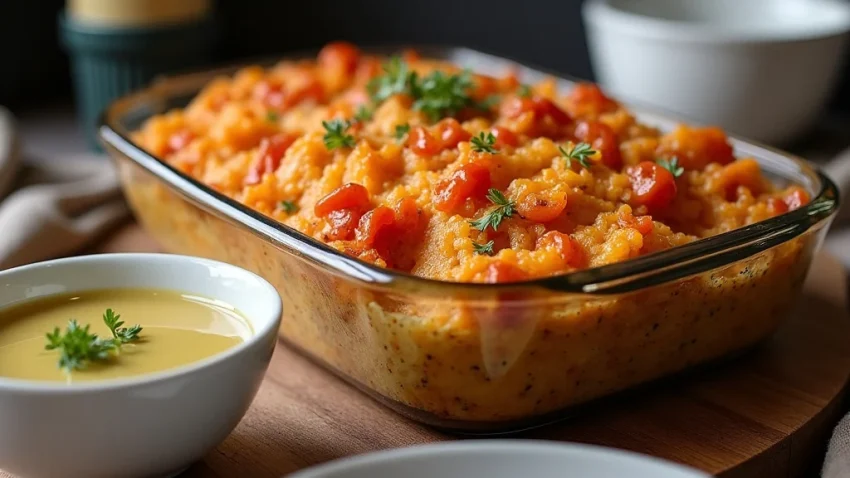
You’re planning a delicious family dinner, but your trusty old casserole dish has a crack. Suddenly, the question arises: how much does a new kitchen casserole dish cost? It seems like a simple purchase, but prices can range wildly, leaving you wondering what’s a fair deal.
This guide will break down everything you need to know about kitchen casserole dish price, from basic options to premium picks. You’ll learn how to find the perfect dish that fits your budget and cooking needs without breaking the bank.
Key Takeaways
- Casserole dish prices vary based on material, size, brand, and special features.
- Glass and ceramic dishes offer good value for everyday use.
- Cast iron and stoneware dishes are more expensive but provide excellent heat retention.
- Specialty features like lids, handles, and decorative designs impact the overall cost.
- Shopping sales and comparing prices across retailers can help you save money.
- Considering your cooking habits and recipe needs is vital when choosing a dish.
Understanding Kitchen Casserole Dish Price Factors
The cost of a kitchen casserole dish is influenced by several key elements that affect its performance and durability. Understanding these factors helps you make an informed decision and get the best value for your money. It’s not just about the shape; it’s about what it’s made of and how it’s made.
Material Matters
The material of a casserole dish is perhaps the biggest driver of its price. Different materials offer unique properties that impact cooking, cleaning, and longevity, all of which are reflected in the cost.
- Glass Casserole Dishes
Glass dishes, often made from tempered glass like Pyrex or Anchor Hocking, are a popular choice for many home cooks. They are non-porous, meaning they don’t absorb odors or flavors, and they are easy to clean. Glass also allows you to see the food cooking from the sides, which can be helpful for monitoring browning. The average kitchen casserole dish price for a standard glass dish, around 9×13 inches, typically falls between $15 and $30. More decorative or specialized glass designs, such as those with lids or unique shapes, might cost slightly more, up to $45. A significant advantage is their microwave and dishwasher safety. They are also generally oven-safe up to high temperatures, though extreme temperature changes should be avoided to prevent cracking. - Ceramic Casserole Dishes
Ceramic, also known as earthenware or stoneware, casserole dishes are known for their attractive appearance and good heat distribution. They often come in a wide array of colors and glazes, making them suitable for serving directly at the table. The price range for ceramic casserole dishes is broader, often starting from $25 for basic, smaller pieces and going up to $70 or more for larger, designer brands or sets. Stoneware, a denser type of ceramic, generally offers better durability and heat retention than earthenware. Like glass, most ceramic dishes are oven-safe, but it’s crucial to check the manufacturer’s specifications regarding microwave use and dishwasher safety, as some glazes can be affected. Their porous nature (especially for unglazed ceramics) means they can stain or absorb odors if not properly cared for. - Cast Iron Casserole Dishes
Cast iron casserole dishes, famously represented by brands like Le Creuset and Staub, are considered premium items. They are renowned for their exceptional heat retention and even cooking. Food cooked in cast iron tends to brown beautifully and stay warm for a long time. However, this quality comes at a higher price point. A basic, unenameled cast iron dish might start around $40, while enameled cast iron dishes from high-end brands can easily range from $100 to $300 or even more for larger sizes or special collections. Enameled cast iron is easier to clean and more resistant to staining and rust than bare cast iron. Both types are extremely durable and can last a lifetime with proper care. They are oven-safe to very high temperatures and can often be used on stovetops as well. - Metal Casserole Dishes
Aluminum and stainless steel casserole dishes are often found in more utilitarian settings, like professional kitchens or for baking specific items like sheet pan meals. They are lightweight, conduct heat quickly, and are generally more affordable. Prices for metal casserole dishes typically range from $10 to $40, depending on the thickness of the metal and whether they include lids or handles. They are usually dishwasher safe and oven safe, but their heat distribution can sometimes be less even than ceramic or cast iron, leading to hot spots. They may also scratch or dent more easily than other materials.
Size and Shape Considerations
The dimensions and shape of a casserole dish also play a role in its price. Larger dishes require more material to produce, thus increasing the cost. Specific shapes, designed for particular recipes or presentation styles, can also command higher prices.
- Standard Sizes
The most common casserole dish size is the 9×13 inch rectangular dish. This size is versatile for family meals and is widely available across all material types. Its prevalence means manufacturers produce them in large quantities, often making them more budget-friendly per unit of volume. A typical 9×13 inch glass or ceramic dish is a great entry point into casserole cooking without a significant investment. - Smaller and Larger Capacity Dishes
Smaller dishes, like an 8×8 inch square or a 1.5-quart round dish, are generally less expensive than their 9×13 counterparts because they use less material. Conversely, very large dishes, such as those exceeding 15 inches in length or with a capacity of 5 quarts or more, will naturally cost more. This is especially true for high-end materials like enameled cast iron, where the sheer volume of material and manufacturing effort drives up the kitchen casserole dish price significantly. - Specialty Shapes
Round, oval, and square dishes are common. However, dishes designed for specific purposes, like a deep lasagna dish, a narrow gratin dish for individual portions, or a roaster with high sides, can sometimes carry a slightly higher price tag due to specialized molds and market demand. For example, a deep dish designed for multiple layers of lasagna might be priced slightly above a standard rectangular dish of similar volume.
Brand Reputation and Features
Well-known brands often charge a premium for their name, perceived quality, and warranty. Additionally, features like tight-fitting lids, comfortable handles, or decorative aesthetics can add to the overall cost.
- Brand Name Pricing
Established brands like Le Creuset, Staub, Emile Henry (for ceramic), and Pyrex (for glass) are recognized for quality and durability. These brands typically have higher kitchen casserole dish price points compared to generic or store-brand alternatives. For instance, a 5-quart enameled cast iron Dutch oven from Le Creuset can cost upwards of $300, while a similar capacity but unbranded alternative might be found for under $100. This premium often reflects superior materials, stricter quality control, and brand loyalty. - Lids and Accessories
Many casserole dishes come with lids, which are essential for many recipes, allowing for even cooking, moisture retention, and easy transport. Dishes with glass or ceramic lids will generally be more expensive than those without. Some lids are designed to be oven-safe or even double as a serving dish themselves (like with some Dutch ovens). The inclusion of a well-fitting, functional lid adds to the perceived value and the overall price. - Ergonomic Handles and Design
Comfortable and secure handles are a significant feature for safety and ease of use, especially when lifting a heavy, hot dish from the oven. Dishes with integrated, larger, or more ergonomically designed handles can sometimes be priced higher. Similarly, dishes with intricate patterns, unique colors, or a high-gloss finish, intended for aesthetic appeal, will often come with a higher kitchen casserole dish price tag than plain, utilitarian designs.
Average Kitchen Casserole Dish Price Ranges
To give you a clearer picture, here’s a breakdown of expected price ranges based on common types and materials. These figures are averages and can fluctuate based on sales, specific retailers, and current market trends.
| Dish Type/Material | Typical Size | Average Price Range | Notes |
|---|---|---|---|
| Glass Casserole Dish | 9×13 inches | $15 – $30 | Good value, non-reactive, easy to clean. |
| Ceramic Casserole Dish | 8×8 or 9×9 inches | $25 – $50 | Attractive for serving, good heat retention. |
| Stoneware Casserole Dish | 9×13 inches | $35 – $65 | Denser ceramic, excellent heat, often decorative. |
| Enameled Cast Iron Dutch Oven | 5-7 quarts | $100 – $300+ | Premium, superior heat, versatile for stovetop/oven. |
| Bare Cast Iron Skillet/Dish | 10-12 inches | $40 – $80 | Excellent heat, requires seasoning, versatile. |
| Metal Baking Dish | 9×13 inches | $10 – $30 | Lightweight, quick heating, budget-friendly. |
It’s important to note that these are general estimates. You can often find good quality casserole dishes on sale, especially during holiday shopping periods or store-wide promotions. Keep an eye out for deals to get a better kitchen casserole dish price.
Tips for Finding the Best Kitchen Casserole Dish Price
Getting a great deal on a kitchen casserole dish is entirely achievable with a little strategy. It’s not just about the initial cost but also about the long-term value you receive.
- Shop During Sales Events
Major shopping holidays like Black Friday, Cyber Monday, and even seasonal sales (like back-to-school or spring cleaning) are prime times to find significant discounts on kitchenware. Retailers often offer special promotions on cookware, including casserole dishes. For instance, a 30-50% discount can dramatically lower the kitchen casserole dish price, making a higher-quality item more accessible. Don’t forget to check for end-of-season sales or clearance racks in physical stores. - Compare Prices Online and In-Store
Before making a purchase, always compare prices across different retailers. Online marketplaces like Amazon, Walmart, and Target offer a wide selection, and their prices can vary. Using price comparison websites or simply opening multiple browser tabs can help you spot the best deal. Sometimes, a local kitchen supply store might have competitive pricing or unique items not found online. This comparison ensures you aren’t overpaying for the same item elsewhere. - Consider Store Brands and Off-Brands
While name brands offer perceived quality and reliability, store brands and lesser-known off-brands can provide excellent value. Many retailers have their own lines of cookware that are manufactured to good standards but sold at a lower price point to be competitive. For example, a store-brand glass baking dish from a large supermarket chain might perform nearly as well as a name-brand equivalent for a fraction of the cost. Always check reviews for these less familiar options. - Look for Bundles and Sets
Sometimes, buying a casserole dish as part of a larger set or bundle can be more economical than purchasing items individually. Manufacturers and retailers often package popular items together, offering a reduced overall kitchen casserole dish price compared to buying each piece separately. This can be a great way to acquire multiple sizes or shapes of dishes at a better value. - Read Reviews and Check for Quality Indicators
Before committing to a purchase, especially for less familiar brands, read customer reviews. Pay attention to comments about durability, even heating, and ease of cleaning. Look for dishes that are described as having thick, even walls and smooth finishes. For glass, ensure it’s tempered. For ceramic, check if it’s non-porous or has a durable glaze. A slightly higher initial kitchen casserole dish price for a well-reviewed, quality item can save you money in the long run by avoiding replacements.
Sample Scenarios for Kitchen Casserole Dish Pricing
To illustrate how different choices affect the price, let’s look at a couple of common scenarios.
- The Budget-Conscious Cook
Sarah needs a reliable casserole dish for occasional family dinners. She usually cooks simple casseroles like macaroni and cheese or tuna noodle bake. She decides to purchase a 9×13 inch tempered glass casserole dish with a lid from a large department store. She found one on sale for $22. This dish is durable, easy to clean, and perfectly suits her needs without a significant financial outlay. The overall kitchen casserole dish price here is quite low, focusing on practicality. - The Avid Baker and Entertainer
Mark loves to bake and host dinner parties. He needs a versatile, attractive casserole dish that can go from the oven to the table. He decides to invest in a 4-quart enameled cast iron Dutch oven from a reputable brand, which costs him $180 during a holiday sale. This dish will be used for everything from slow-cooked stews to baked pasta dishes, and its beautiful appearance makes it ideal for serving guests. The higher kitchen casserole dish price reflects its superior performance, durability, and aesthetic appeal.
Common Myths Debunked
Dispelling common misconceptions about kitchen casserole dishes can help you make smarter purchasing decisions and avoid overspending or underestimating value.
Myth 1: All Casserole Dishes Cook Food the Same Way
This is not true. Different materials conduct and retain heat very differently. For example, cast iron provides exceptionally even heating and superior heat retention, making it ideal for dishes that need to stay hot or develop a deep crust.
Glass and ceramic dishes distribute heat more gently and evenly than thin metal pans, reducing the risk of hot spots and burnt edges. Metal pans, while heating up quickly, can sometimes lead to uneven cooking if not properly managed.
Myth 2: The Most Expensive Casserole Dish is Always the Best
While premium brands often use high-quality materials and have excellent craftsmanship, the “best” dish depends on your specific needs and cooking style. A $200 enameled cast iron pot might be overkill for someone who only makes simple breakfast casseroles once a month. Conversely, a $15 glass dish might not hold heat well enough for a demanding slow-cooked recipe.
It’s about matching the dish’s capabilities and price to your usage patterns.
Myth 3: Casserole Dishes with Lids Are Always More Expensive Than Those Without
Generally, yes, the addition of a lid does increase the price of a casserole dish. However, the difference might not always be substantial, especially for glass or ceramic dishes. The key is to consider the value the lid adds.
If the lid allows you to transport your dish easily, cook foods that require covered baking, or store leftovers efficiently, the small increase in kitchen casserole dish price can be well worth it for the added functionality and convenience.
Myth 4: You Can’t Find Good Quality Casserole Dishes on a Tight Budget
This is a common misconception. While high-end options can be pricey, there are many affordable yet durable casserole dishes available. Focusing on materials like tempered glass or well-reviewed stoneware from mid-range brands, and shopping during sales events, can yield excellent results.
Store brands and off-brands, when chosen carefully after reading reviews, can also offer great value for money without sacrificing too much on quality.
Frequently Asked Questions
Question: What is the most common size for a kitchen casserole dish
Answer: The most common size for a kitchen casserole dish is the rectangular 9×13 inch dish, which is versatile for most family recipes.
Question: Are glass casserole dishes safe for oven use
Answer: Yes, tempered glass casserole dishes, like those made from Pyrex, are generally safe for oven use up to high temperatures. However, it’s best to avoid sudden extreme temperature changes.
Question: How do I clean an enameled cast iron casserole dish
Answer: Enameled cast iron dishes are typically easy to clean with warm, soapy water and a non-abrasive sponge. For stubborn residue, you can simmer water in the dish or use a specialized cast iron cleaner.
Question: Can I use a cast iron skillet as a casserole dish
Answer: Yes, many cast iron skillets, especially those with deep sides, can effectively function as casserole dishes, offering excellent heat retention for baked goods and savory dishes.
Question: Should I prioritize a lid when buying a casserole dish
Answer: A lid is highly recommended for most casserole dishes as it helps retain moisture, promotes even cooking, and allows for easy storage and transport of food.
Summary
The kitchen casserole dish price depends on material, size, brand, and features. Glass and ceramic offer good value, while cast iron is a pricier, premium option. Shopping sales and comparing prices are smart strategies. Always consider your cooking needs to find the right dish for your kitchen.