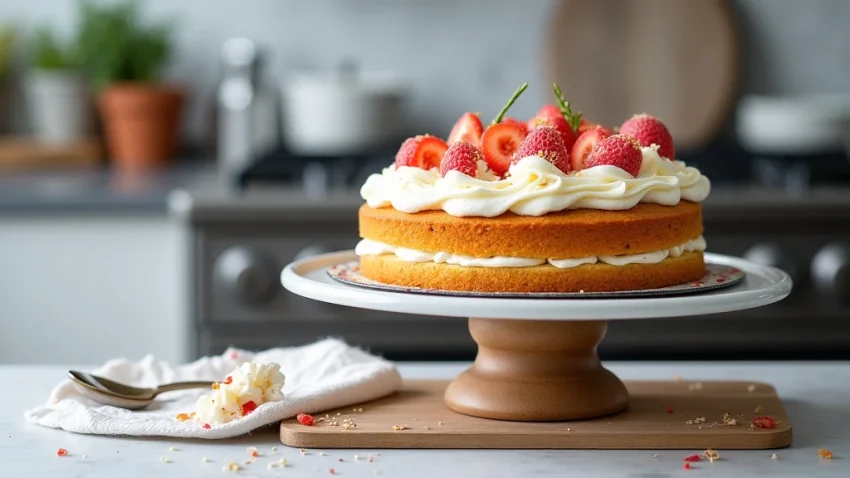
Do you dream of presenting your baked creations on a beautiful stand? You’ve seen them in bakeries and on social media, but when it comes to buying one, the sheer variety in styles and prices can be overwhelming. Deciding on the perfect kitchen cake stand price depends on many things, from the material it’s made from to the brand name. This guide will help you understand what influences these prices, so you can find the ideal stand without overspending. You’ll learn what to look for, how to compare options, and where to find the best value, saving you time and helping you make a confident purchase.
Key Takeaways
- Material significantly impacts kitchen cake stand price.
- Size and capacity play a role in determining cost.
- Design complexity and artisanal craftsmanship add to the price.
- Brand reputation and where you buy affect the final cost.
- Features like durability and ease of cleaning influence value.
- Special finishes or embellishments can increase the kitchen cake stand price.
Factors Affecting Kitchen Cake Stand Price
The price of a kitchen cake stand is not a one-size-fits-all number. Several key elements combine to determine how much you’ll spend. Understanding these factors empowers you to make an informed decision and find a stand that fits both your budget and your needs. We’ll explore the materials, sizes, designs, and brands that contribute to the overall cost.
Material Matters for Price
The material from which a cake stand is made is arguably the biggest driver of its price. Each material offers different aesthetics, durability, and maintenance requirements, all of which are reflected in the cost.
Ceramic cake stands are popular for their elegant look and wide range of colors and patterns. They can range from very affordable to quite expensive, depending on the quality of the glaze, the thickness of the ceramic, and whether it’s handmade or mass-produced. High-fired porcelain is generally more durable and expensive than earthenware.
Glass cake stands offer a classic and versatile appeal. They can be simple and minimalist or ornate and decorative. The thickness and clarity of the glass, as well as any intricate detailing or etching, will affect the price.
Tempered glass is often more durable and can command a higher price.
Metal cake stands, such as those made from stainless steel, wrought iron, or aluminum, often provide a modern or industrial look. Stainless steel is known for its durability and resistance to rust, making it a premium choice. Wrought iron can be more decorative but might require sealing to prevent rust.
Aluminum is lightweight and can be more affordable.
Wood cake stands, crafted from materials like acacia, mango, or bamboo, bring a natural, rustic warmth to the kitchen. The type of wood, the finish applied, and the craftsmanship involved will influence the price. Hardwoods like oak or maple are generally more costly than softer woods.
- Ceramics: Ranges from budget-friendly earthenware to pricier porcelain. Look for a smooth, even glaze and sturdy construction.
- Glass: Clear, thick glass is usually more expensive than thinner, more brittle varieties. Etched or colored glass also adds to the cost.
- Metals: Stainless steel is durable and often pricier than aluminum. Decorative ironwork can increase the price significantly due to labor.
- Wood: Solid hardwood stands are more expensive than those made from composite wood or bamboo. Natural finishes can be costly.
Size and Capacity Considerations
The dimensions of a cake stand are directly related to the amount of material used and the complexity of its construction, which in turn affects the kitchen cake stand price. A larger stand will naturally require more material, leading to a higher cost.
A stand designed to hold a single, small cupcake will be much less expensive than one that can accommodate a tiered wedding cake. When choosing a size, think about what you’ll primarily be using it for. If it’s for everyday use with smaller bakes, a compact stand might be sufficient and more budget-friendly.
If you frequently host parties or bake large cakes, investing in a larger, more robust stand makes sense.
Beyond diameter, the height of the stand also plays a role. Taller stands can sometimes feel more grand and impressive, but they also require more stability and potentially stronger construction, which can add to the overall price. Consider how much vertical space you have and how the stand will look on your table or counter.
- Small stands (6-8 inches): Ideal for cupcakes or individual desserts, generally the most affordable.
- Medium stands (9-12 inches): Versatile for standard cakes or multiple desserts, mid-range pricing.
- Large stands (13+ inches): Suitable for large cakes or entertaining, often the most expensive due to material and construction.
- Tiered stands: Multiple levels increase material usage and complexity, leading to higher prices compared to single-tier stands of similar diameter.
Design and Craftsmanship Influence
The aesthetic appeal and the effort put into crafting a cake stand are significant determinants of its kitchen cake stand price. Simple, utilitarian designs are usually less expensive than elaborately decorated or hand-finished pieces.
A stand with a smooth, unadorned surface will cost less than one featuring intricate carvings, hand-painted details, or embossed patterns. Artisanal craftsmanship, where a stand is made by hand by a skilled artisan, almost always commands a higher price due to the time, skill, and unique nature of the work involved. These pieces are often considered investments and can become heirlooms.
Consider the base design. A simple pedestal base is less costly to produce than a stand with decorative legs, a sculpted column, or a weighted, stable design that requires more engineering and materials. The finish also matters; a polished, brushed, or specialized coating can add to the manufacturing cost.
Brand Reputation and Retailer
Just like with many other products, the brand name behind a cake stand can influence its price. Well-known brands that have a reputation for quality, durability, or unique design often charge a premium for their products.
Established kitchenware brands may have higher manufacturing costs due to quality control, branding efforts, and marketing. However, they also often provide assurance of quality and customer support. Sometimes, buying directly from a designer or artisan’s studio can result in a unique piece, but it might also be more expensive than purchasing a similar item from a large retailer.
Where you purchase the cake stand also plays a role. Specialty kitchen stores might have higher markups than large online marketplaces. Sales, clearance events, and discount retailers can offer significant savings.
Comparing prices across different platforms and stores is a smart way to find the best kitchen cake stand price for your chosen model.
| Brand Type | Typical Price Range | Key Features |
|---|---|---|
| Mass-Market Brands | $15 – $50 | Affordable, wide variety, functional design. |
| Mid-Range Brands | $40 – $100 | Good quality materials, stylish designs, better durability. |
| Designer/Artisan | $75 – $300+ | Unique aesthetics, high-quality materials, handcrafted, premium finishes. |
Special Features and Finishes
Beyond the basic construction, certain added features or specialized finishes can elevate a cake stand and, consequently, its kitchen cake stand price. These might include decorative elements, enhanced functionality, or protective coatings.
For example, some cake stands come with interchangeable decorative tops or bases, allowing for customization. Others might have a non-slip base for added security, or a built-in handle for easier carrying. Stands made from materials that require special treatment, such as anti-tarnish coatings for silver or heat-resistant finishes for metal, will also factor into the cost.
Embellishments like rhinestones, engraved patterns, or unique metallic finishes can significantly increase the visual appeal and the price. If a stand is part of a larger collection, such as matching dinnerware or serving pieces, it might be priced higher as a premium item.
Understanding Different Cake Stand Types and Their Prices
The world of cake stands is diverse, with various types catering to different needs and aesthetics. Each type often comes with its own typical price range, influenced by the factors we’ve already discussed.
Types of Cake Stands and Their Pricing
The specific design and intended use of a cake stand directly influence its material, construction, and ultimately, its kitchen cake stand price. Understanding these categories helps in making a targeted search.
Pedestal Cake Stands
These are perhaps the most traditional and common type of cake stand. They feature a flat top surface for the cake and a central stem or pedestal that raises it off the serving surface.
The variety within pedestal stands is vast. They can be made from ceramic, glass, metal, or wood, and the price will fluctuate based on these materials. A simple glass pedestal stand might be very affordable, while a heavy, hand-painted ceramic version could be considerably more expensive.
The stability of the pedestal itself also matters; wider, more substantial bases often cost more to produce but offer better support.
- Basic glass or ceramic: Often found for $20 – $50.
- Decorative or hand-painted ceramic: Prices can range from $40 – $100+.
- Metal or polished wood: Typically $30 – $70.
- Heavy-duty or designer pedestals: Can go $80 – $200+.
Tiered Cake Stands
Tiered cake stands are designed to hold multiple cakes or desserts at different levels. They are popular for weddings, parties, and elaborate dessert displays. Their multi-level construction inherently uses more material and involves more complex assembly, usually resulting in a higher kitchen cake stand price.
These can range from simple two-tier stands to elaborate five-tier structures. The materials can vary widely, from elegant glass or acrylic to rustic wood. The stability of tiered stands is crucial, so those with well-engineered support systems will often be priced higher.
The aesthetic complexity, such as ornate metalwork or detailed ceramic pieces, also contributes significantly to the cost.
For example, a simple metal three-tier stand might be more affordable than a handcrafted ceramic one. Acrylic tiered stands are often a more budget-friendly option for achieving a modern look, while elaborate wire or wrought iron stands can be quite an investment.
- Simple acrylic or metal 2-3 tier: Typically $30 – $70.
- Glass or more decorative metal 3-4 tier: Prices can range from $50 – $150.
- Elaborate, multi-tier, or designer pieces: Can cost $100 – $500+.
Serving Domes and Cake Stands with Domes
These stands combine a cake stand with a protective and decorative dome, often made of glass, acrylic, or ceramic. The dome serves to keep the cake fresh, protect it from dust, and add a refined presentation.
The inclusion of a dome naturally increases the kitchen cake stand price compared to a stand alone. The quality and thickness of the dome material are key price drivers. A heavy, well-fitting glass dome will be more expensive than a lighter acrylic one.
Some domes are solid, while others might feature decorative handles or ventilation holes.
Consider the purpose. If you need a stand for transport or to keep a cake fresh for an extended period, investing in a good quality dome is worthwhile. The combined functionality often justifies the higher price point.
- Basic stand with acrylic dome: Often in the $30 – $60 range.
- Ceramic base with glass dome: Prices can be $50 – $120+.
- Designer sets with specialized features: May exceed $100.
Novelty and Specialty Cake Stands
This category encompasses cake stands with unique shapes, themes, or functionalities. They might be designed for specific holidays, events, or as decorative pieces in their own right.
Novelty stands can be incredibly varied in price. A simple novelty item made from molded plastic might be quite inexpensive, while a detailed, hand-sculpted ceramic stand with a specific theme (like a farm animal for a country-themed event) could be a significant investment. These are often chosen for their visual impact or as conversation starters.
Their price is heavily influenced by the uniqueness of the design, the materials used, and the complexity of their creation. Limited edition or artist-designed novelty stands can fetch very high prices.
- Simple novelty items: $15 – $40.
- Themed or artist-designed pieces: $50 – $200+.
Finding Value in Kitchen Cake Stand Price
Identifying the best kitchen cake stand price isn’t just about finding the cheapest option. It’s about finding a stand that offers good value for money, meaning it meets your needs, is durable, and fits your budget.
Balancing Cost and Quality
When you’re looking at kitchen cake stand price, always consider the trade-off between cost and quality. A very cheap stand might be made from flimsy materials or have a poor finish that won’t last. On the other hand, the most expensive option isn’t always the best for your specific needs.
Look for signs of good quality, regardless of the price. Check for a stable base, a smooth finish without chips or cracks, and sturdy construction. For ceramic stands, a good glaze is important for durability and ease of cleaning.
For metal stands, ensure they are rust-resistant or have a good protective coating.
Think about how often you’ll use the stand. If it’s for occasional use for smaller cakes, a more moderately priced option might be perfectly adequate. If you bake frequently or plan to use it for special occasions, investing in a higher-quality, more durable stand could save you money in the long run by not needing frequent replacements.
- Durability: Higher quality materials and construction lead to longer life.
- Functionality: Does it hold your cakes securely and look good while doing so?
- Ease of Care: Can it be easily cleaned and maintained?
- Aesthetics: Does it match your kitchen or serving style?
Smart Shopping Strategies
To get the best kitchen cake stand price without sacrificing quality, employ smart shopping strategies. This involves research, comparison, and timing.
Compare prices across different retailers, both online and in brick-and-mortar stores. Specialty kitchenware shops may have a curated selection but can be pricier. Large online marketplaces often offer a wider range of options and competitive pricing.
Keep an eye out for sales events. Holidays, end-of-season clearances, and anniversary sales can offer significant discounts on kitchenware. Signing up for newsletters from your favorite retailers can alert you to upcoming promotions.
Consider second-hand options or vintage finds. Sometimes, you can discover unique, high-quality cake stands at a fraction of their original price from antique stores, flea markets, or online resale platforms. Just ensure they are in good condition and safe for food use.
- Compare prices online: Use price comparison websites or check major retailers.
- Look for sales: Wait for holiday promotions or clearance events.
- Check reviews: Read customer feedback on quality and durability.
- Consider secondhand: Explore antique shops or online resale sites for unique finds.
Long-Term Value vs. Initial Cost
When evaluating the kitchen cake stand price, it’s essential to think about long-term value. A slightly more expensive stand made from durable materials might offer better value over time than a cheaper one that breaks or needs
For instance, a solid wood or high-quality ceramic stand might cost more upfront, but its longevity and timeless appeal can make it a worthwhile investment. Consider how much use you anticipate and the stresses the stand will endure. A stand that is stable, easy to clean, and resistant to chipping or scratching will provide better value.
Also, think about versatility. A neutral-colored, well-designed stand can be used for various occasions and with different decor styles, offering more value than a highly specialized or themed stand that might only be appropriate for a single use.
Common Myths Debunked
Frequently Asked Questions
Question: What is the average kitchen cake stand price?
Answer: The average kitchen cake stand price can range widely, from $15 for basic models to over $200 for designer or artisanal pieces, with most common stands falling between $30 and $70.
Question: Are expensive cake stands always better quality?
Answer: Not necessarily. While higher prices can indicate better materials and craftsmanship, there are many well-made, durable cake stands available at mid-range prices. It’s important to check reviews and inspect the stand’s construction.
Question: Can I use any cake stand for all types of cakes?
Answer: It depends on the size and weight capacity of the stand. A small, lightweight stand might not be suitable for a heavy tiered wedding cake, whereas a sturdy, larger stand can accommodate most standard cakes.
Question: How do I clean a cake stand?
Answer: Cleaning methods vary by material. Most ceramic, glass, and metal stands can be washed with soap and water, while wooden stands often require gentle hand washing and immediate drying. Always check manufacturer instructions.
Question: Is it worth buying a cake stand with a dome?
Answer: If you plan to store or transport your cakes, or want to protect them from elements and insects, a cake stand with a dome offers great value. For display-only purposes, it might be an unnecessary expense.
Conclusion
The kitchen cake stand price is a result of its material, size, design, brand, and special features. You can find affordable, quality options by comparing prices, looking for sales, and considering long-term value. Choose a stand that fits your baking needs and style.