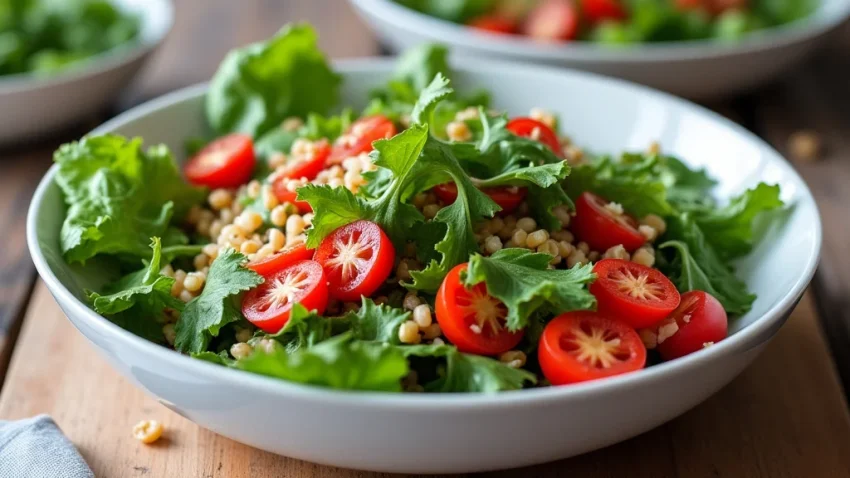
You’re hosting a dinner party and want to serve a beautiful, fresh salad. You head to the kitchen, ready to assemble, only to realize your current bowls just aren’t cutting it. They’re too small, chipped, or just plain uninspiring.
Now, you’re on a mission to find the perfect kitchen salad bowl. But with so many options, what should you expect to pay? This post will break down the factors influencing kitchen salad bowl price, helping you make an informed decision without overspending.
Key Takeaways
- Material significantly impacts a salad bowl’s cost.
- Size and capacity are direct drivers of price.
- Brand reputation and craftsmanship affect the final price.
- Special features and design elements add to the overall expense.
- Where you buy a salad bowl can influence its price point.
- Considering durability and ease of care helps justify the kitchen salad bowl price.
Exploring Kitchen Salad Bowl Price Categories
The cost of a kitchen salad bowl can vary greatly, from just a few dollars for a basic plastic option to hundreds for a designer piece. Understanding these different price brackets helps set expectations and guides your search. Generally, you can categorize salad bowls into a few main groups: budget-friendly, mid-range, and premium.
Each category offers distinct advantages and disadvantages in terms of materials, durability, aesthetics, and of course, price.
Budget-Friendly Options
These are typically found in large retail stores, discount shops, or online marketplaces. They often prioritize affordability over high-end materials or intricate designs. You can expect to find basic plastic, melamine, or sometimes thin glass options in this range.
While they serve the functional purpose of holding salad, they might lack the visual appeal or long-term durability of more expensive alternatives. Many people start their kitchenware collection with these items because the initial kitchen salad bowl price is so low.
- Material: Predominantly plastic, melamine, or thin glass.
- Durability: Can be prone to scratching, staining, or breaking.
- Aesthetics: Simple, functional designs with limited decorative elements.
- Price Range: $5 – $25
For instance, a simple, clear plastic salad bowl from a discount store might cost around $10. It will hold your salad effectively, but it won’t make a statement on your dining table. While the initial kitchen salad bowl price is attractive, consider the lifespan and potential need for replacement if you opt for these items.
Mid-Range Selections
Stepping up in price brings you to the mid-range category. Here, you’ll find a wider variety of materials, including thicker glass, ceramic, stoneware, and sometimes even treated wood or bamboo. These bowls offer a better balance of quality, style, and price.
They are often more durable, easier to clean, and possess more attractive designs that can complement your kitchen decor. The kitchen salad bowl price in this segment reflects this enhanced quality.
- Material: Thicker glass, ceramic, stoneware, bamboo, treated wood.
- Durability: More resistant to chipping, scratching, and staining compared to budget options.
- Aesthetics: A broad range of styles, colors, and finishes available.
- Price Range: $25 – $75
A beautiful ceramic salad bowl with a subtle pattern might retail for $40. It will be sturdy, look good when serving guests, and likely last for many years. This price point is often ideal for those who entertain regularly or appreciate well-made kitchen items without investing in luxury.
Premium and Designer Bowls
This is where you find the high-end pieces. Premium salad bowls are crafted from fine materials like high-quality ceramic, porcelain, marble, acacia wood, or even hand-blown glass. They often feature unique artistic designs, handcrafted elements, or brand-name recognition.
The kitchen salad bowl price here reflects the artistry, superior materials, and meticulous craftsmanship involved in their creation. These are often considered investments for the kitchen.
- Material: Marble, artisan ceramics, hand-blown glass, premium wood (e.g., acacia, walnut), porcelain.
- Durability: Exceptional durability and resistance to wear and tear.
- Aesthetics: Unique, often artistic, handcrafted, or designer-led styles.
- Price Range: $75+
A solid marble salad bowl, for example, could easily cost $150 or more. Its natural beauty, weight, and durability make it a statement piece. This segment is for those who prioritize luxury, unique design, and a long-lasting, heirloom-quality item.
Factors Influencing Kitchen Salad Bowl Price
Several key elements contribute to the final kitchen salad bowl price you see on the tag. Understanding these factors empowers you to assess value and determine if a particular bowl is worth the investment. From the raw materials used to the way it’s made and the brand behind it, each detail plays a role.
Material Matters
The material of a salad bowl is arguably the biggest determinant of its price. Each material has its own cost, durability, and aesthetic appeal. For example, natural materials like marble or high-quality wood are inherently more expensive than mass-produced plastic.
The processing and finishing required for each material also add to the overall production cost, which is then reflected in the kitchen salad bowl price.
- Plastic and Melamine: These are generally the most affordable materials. They are lightweight and often shatterproof, making them practical for everyday use and outdoor gatherings. However, they can sometimes scratch easily, stain, or absorb odors over time. Their low production cost directly translates to a lower kitchen salad bowl price.
- Glass: Glass bowls offer a clear or colored aesthetic and are relatively easy to clean. Thicker, tempered glass is more durable and less prone to breaking than thin glass. Hand-blown glass or intricately colored glass pieces will command a higher price due to the craftsmanship involved. The kitchen salad bowl price for glass can range from moderate for basic tempered glass to high for artistic pieces.
- Ceramic and Stoneware: These materials offer a warm, earthy feel and come in a vast array of colors and finishes. Ceramic is generally lighter than stoneware, while stoneware is known for its density and durability, making it resistant to chipping and thermal shock. The quality of the glaze, the firing process, and the complexity of the design will impact the kitchen salad bowl price.
- Wood: Wooden salad bowls, especially those made from hardwoods like acacia, walnut, or teak, are prized for their natural beauty and unique grain patterns. They require careful finishing and maintenance to prevent drying or cracking. Artisan-carved wooden bowls or those made from rare woods will significantly increase the kitchen salad bowl price. Bamboo, a sustainable option, is also popular and can be more affordable than hardwoods.
- Metal: Stainless steel and copper salad bowls are durable and modern. Stainless steel is highly resistant to rust and corrosion. Copper bowls, while beautiful, can be more expensive and require polishing to maintain their shine. The gauge and finish of the metal also play a role in the kitchen salad bowl price.
- Marble and Stone: These luxurious materials offer unparalleled elegance and durability. Each piece is unique due to natural variations in the stone. The weight and the effort required to quarry, cut, and polish these materials contribute to a higher kitchen salad bowl price.
Size and Capacity
The larger the salad bowl, the more material is required to produce it, which directly increases the cost. A generous family-sized salad bowl will naturally be more expensive than a small individual serving bowl. When considering the kitchen salad bowl price, think about how many people you typically serve and the volume of salad you usually prepare.
Investing in a larger bowl might seem more expensive upfront, but it can be more practical if you frequently host or prepare large meals.
- Small Bowls (Under 8 inches diameter): Ideal for individual servings or small side salads. Typically the least expensive.
- Medium Bowls (8-12 inches diameter): Suitable for small families or moderate side salads. A common size, offering good value.
- Large Bowls (12-16 inches diameter): Perfect for family-style dinners, entertaining, or large main course salads. More material means a higher kitchen salad bowl price.
- Extra-Large Bowls (Over 16 inches diameter): Designed for parties, potlucks, or exceptionally large gatherings. These will be at the higher end of the price spectrum.
For example, an 8-inch ceramic salad bowl might cost $30, while a 14-inch version made of the same material could be $60. This is a direct correlation between the volume of material used and the kitchen salad bowl price.
Brand Reputation and Craftsmanship
Established kitchenware brands often have higher prices due to their reputation for quality, design, and customer service. Artisan-made bowls from independent craftspeople can also command premium prices because each piece is unique and handcrafted with skill. The care taken in the finishing, the precision of the joins, and the overall attention to detail in craftsmanship all contribute to the final kitchen salad bowl price.
- Designer Brands: Known for unique aesthetics and high-quality materials. Their brand recognition allows for higher pricing.
- Artisan/Handmade: Each piece is unique, showcasing the maker’s skill. This individuality adds value.
- Mass-Produced: Focuses on efficiency and lower costs, resulting in more affordable options.
A salad bowl from a renowned culinary brand might cost $80, whereas a functionally similar but unbranded version could be $35. The kitchen salad bowl price difference often reflects the perceived value and trust in the brand.
Design and Special Features
The complexity of a bowl’s design can significantly influence its kitchen salad bowl price. Bowls with intricate patterns, hand-painted details, embossed textures, or unique shapes require more labor and expertise to produce. Features like built-in salad servers, removable compartments, or double-walled insulation also add to the cost.
- Simple Designs: Plain colors, basic shapes.
- Patterned or Textured: Embossed designs, geometric patterns, ribbed finishes.
- Hand-Painted or Hand-Glazed: Unique artistic touches that increase value.
- Special Features: Integrated servers, non-slip bases, insulating properties.
A simple white ceramic bowl might be $30. However, a similar-sized ceramic bowl with a detailed hand-painted floral motif could easily be $70 or more. The aesthetic appeal and the labor involved in decoration directly impact the kitchen salad bowl price.
Where You Buy Matters
The retail environment where you purchase a salad bowl can also affect its kitchen salad bowl price. Department stores and specialty kitchenware shops tend to have higher markups compared to discount retailers or online marketplaces. However, these higher-end stores often offer a curated selection of quality items and better customer service.
- Specialty Kitchen Stores: Wide selection of quality items, knowledgeable staff. Higher prices.
- Department Stores: Mix of brands and price points.
- Discount Retailers: Focus on affordability, limited selection of higher-end items.
- Online Marketplaces: Wide variety, competitive pricing, but requires careful review of product details.
- Direct from Artisan: Often offers unique pieces at fair prices reflecting craftsmanship.
The same salad bowl might be priced at $55 in a high-end kitchen store and $40 on an online retail platform. The kitchen salad bowl price can fluctuate based on overhead, marketing, and sales strategies of the seller.
Comparing Different Materials: A Price and Feature Snapshot
To give you a clearer picture, here’s a comparison of popular salad bowl materials, highlighting their typical price ranges and key features. This table helps visualize how different materials stack up against each other, making it easier to decide where your budget best fits for a particular kitchen salad bowl price.
| Material | Typical Price Range | Pros | Cons | Best For |
|---|---|---|---|---|
| Plastic/Melamine | $5 – $25 | Lightweight, Shatterproof, Affordable | Scratches easily, Can stain/absorb odors | Outdoor dining, Casual use, Budget-conscious buyers |
| Glass (Tempered) | $15 – $50 | Easy to clean, Non-porous, Good visual appeal | Can chip or break if dropped, Heavier than plastic | Everyday use, Serving colorful salads, Mixed company |
| Ceramic/Stoneware | $25 – $75 | Attractive, Durable, Good heat retention | Can chip if dropped, Heavier, Some glazes may not be microwave safe | Indoor dining, Stylish presentation, Family meals |
| Wood (Acacia, Bamboo) | $30 – $100+ | Natural beauty, Lightweight, Eco-friendly (bamboo) | Requires specific care, Can stain, Not dishwasher safe | Rustic aesthetic, Serving warm salads, Health-conscious users |
| Marble/Stone | $75 – $300+ | Luxurious, Extremely durable, Unique natural patterns | Very heavy, Expensive, Requires sealing | High-end entertaining, Statement piece, Long-term investment |
As you can see from the table, the kitchen salad bowl price is highly dependent on the material chosen. For instance, a comparable size and style ceramic bowl will generally be more expensive than a plastic one, but offers superior aesthetics and durability. This helps justify the higher kitchen salad bowl price for certain materials.
Choosing the Right Salad Bowl for Your Needs
Selecting the perfect kitchen salad bowl involves more than just picking the prettiest one. Consider your lifestyle, how often you use it, and what kind of impression you want to make. A bowl that looks great is important, but so is its practicality and how it fits into your overall kitchenware collection.
The kitchen salad bowl price should align with these considerations.
Everyday Use vs. Special Occasions
For daily use, durability and ease of cleaning are paramount. A sturdy glass or melamine bowl might be ideal. These are typically less expensive, and if one does get damaged, the kitchen salad bowl price makes replacement less painful.
For special occasions, you might opt for a more decorative ceramic, wooden, or even marble bowl that serves as a centerpiece. These bowls, while potentially pricier, elevate the dining experience.
- Everyday: Prioritize durability, ease of cleaning, and affordability.
- Special Occasions: Focus on aesthetics, unique design, and material quality.
Think about your typical week. If you make a salad every day for lunch, a functional, easy-to-clean bowl is key. If you host dinner parties once a month, a more elaborate bowl for those specific events makes sense.
The kitchen salad bowl price should reflect its intended primary use.
Maintenance and Care
Different materials require different care. Wood bowls need hand washing and occasional oiling. Ceramic and glass are usually dishwasher safe, but delicate designs might require hand washing.
Stone bowls are heavy and might need special cleaning agents. Understanding the maintenance requirements will help you choose a bowl you’re willing to care for, ensuring it lasts longer. This care routine also helps justify the kitchen salad bowl price by extending the product’s life.
- Hand-washing recommended: Wood, some ceramics with delicate glazes, hand-painted items.
- Dishwasher safe: Most tempered glass, melamine, and durable stoneware.
- Special cleaning: Marble and other porous stones.
A low kitchen salad bowl price might come with the caveat of not being dishwasher safe, requiring more of your time for cleaning. Conversely, a higher kitchen salad bowl price might include the convenience of being dishwasher safe and highly resistant to stains.
Aesthetics and Kitchen Decor
Your salad bowl should complement your kitchen and dining room style. Whether you prefer a modern, minimalist look, a rustic farmhouse vibe, or a classic, elegant setting, there’s a salad bowl to match. Consider the colors, textures, and shapes that best fit your home.
The visual appeal is a significant part of the kitchen salad bowl price, especially for designer pieces.
- Modern: Sleek glass, stainless steel, minimalist ceramic.
- Rustic: Natural wood, stoneware with earthy tones.
- Classic: White porcelain, subtly patterned ceramic.
A bowl that clashes with your decor, no matter how affordable the kitchen salad bowl price, will likely be unused. Choosing a bowl that fits your aesthetic ensures it will be a welcome addition to your table.
Common Myths Debunked
Myth 1: All inexpensive salad bowls are low quality.
This isn’t always true. While many very cheap options are made with lower-grade materials, you can sometimes find good quality plastic or melamine bowls at a budget-friendly kitchen salad bowl price. These are often suitable for casual use, outdoor events, or for those just starting out.
The key is to inspect the material for thickness, finish, and sturdiness, even at a low price point.
Myth 2: Expensive salad bowls are always worth the higher kitchen salad bowl price.
Not necessarily. While premium materials and craftsmanship often justify higher costs, you can be swayed by brand names alone. It’s important to assess the actual value – the material quality, construction, design, and your personal needs – rather than just assuming a high price equals superior quality.
Sometimes, you might pay a premium for marketing or a designer label that doesn’t translate to tangible benefits for your use.
Myth 3: You need multiple salad bowls for different occasions.
While it can be nice to have variety, it’s not essential for everyone. A versatile, mid-range bowl made of a durable material like tempered glass or stoneware can serve well for both everyday use and most entertaining. If your budget is limited, focus on acquiring one or two high-quality, adaptable bowls rather than many specialized ones.
A single, well-chosen bowl can manage the kitchen salad bowl price effectively across various uses.
Frequently Asked Questions
Question: What is a reasonable price for a good quality everyday salad bowl?
Answer: For a good quality everyday salad bowl, you can typically expect to spend between $25 and $50. This price range often covers durable materials like tempered glass or sturdy stoneware, offering a balance of quality, aesthetics, and longevity without breaking the bank.
Question: Are wooden salad bowls difficult to maintain?
Answer: Wooden salad bowls require more care than glass or ceramic. They usually need to be hand-washed, dried immediately, and occasionally treated with food-grade mineral oil to prevent drying and cracking. They are not typically dishwasher safe, which can be a drawback for some.
Question: Can I use a metal bowl for serving salad?
Answer: Yes, metal bowls like stainless steel or copper can be used for serving salad. Stainless steel is very durable and easy to clean. Copper bowls can add a decorative touch but may require polishing to maintain their shine.
Ensure the metal is food-grade and not reactive with acidic salad dressings.
Question: How much does a large salad bowl for entertaining usually cost?
Answer: A large salad bowl, suitable for entertaining and serving multiple people, can range from $40 to $100 or more, depending on the material, brand, and design. Bowls made from premium materials like artisan ceramic or quality wood will be at the higher end of this range.
Question: Is it better to buy a salad bowl online or in a store?
Answer: Buying in a store allows you to feel the weight, see the true color, and inspect the finish of the bowl before purchasing, which is ideal for high-quality or unique items. Online shopping offers a wider selection and often competitive pricing, but requires careful reading of descriptions and reviews to ensure you’re getting what you expect for the kitchen salad bowl price.
Conclusion
Finding the right kitchen salad bowl price involves balancing material, size, brand, and design against your budget and needs. Focus on durability for daily use and aesthetics for special events. Consider care requirements to ensure longevity.
A well-chosen bowl enhances your dining experience and is a practical kitchen investment.