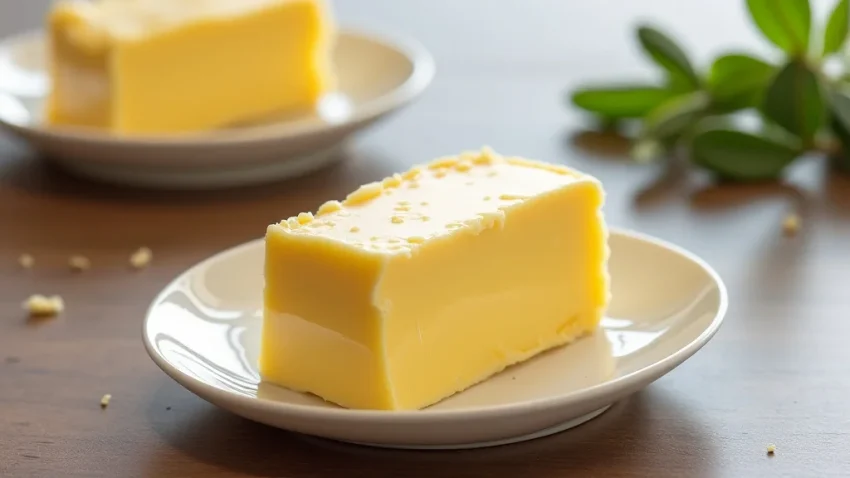
Have you ever reached for a butter dish, only to find it was a little too small or awkwardly shaped? It happens to the best of us. Choosing the right butter dish involves more than just picking the prettiest one.
Understanding the various factors that influence the kitchen butter dish price can help you make a smart purchase that fits both your needs and your budget. This guide will help you know what to look for.
Key Takeaways
- Different materials like ceramic, glass, stainless steel, and plastic have varying costs.
- Design and features such as airtight seals or extra-large sizes impact the price.
- Brand reputation and where you buy the butter dish affect its cost.
- Simple, classic designs are generally more affordable than ornate or specialized ones.
- Considering durability and ease of cleaning helps justify the kitchen butter dish price.
Understanding Kitchen Butter Dish Price
The price of a kitchen butter dish can vary significantly, from just a few dollars for a basic model to fifty dollars or more for a high-end, designer piece. This wide range is due to a combination of factors, including the materials used, the brand behind the product, its features, and even where it’s sold. When you’re looking to buy one, it’s helpful to understand what drives these costs.
This will help you find the best value for your kitchen.
Material Matters
The material is a primary driver of the kitchen butter dish price. Common materials offer different aesthetics, durability, and price points.
- Ceramic butter dishes are very popular. They offer a classic look and come in a huge array of colors and designs. Ceramic is generally affordable, but artisan or hand-painted ceramic pieces can be quite expensive. A good quality ceramic dish offers a nice weight and stability.
- Glass butter dishes provide a clean, modern look and allow you to see how much butter is left. They are easy to clean and usually quite durable, though they can break if dropped. Glass dishes are often priced in the mid-range.
- Stainless steel butter dishes are known for their durability and sleek, modern appearance. They are resistant to rust and staining, making them a practical choice. Stainless steel dishes often fall into the mid to higher price range due to the material cost and manufacturing process.
- Plastic butter dishes are the most budget-friendly option. They are lightweight and come in many colors. However, they may not be as durable as other materials and can sometimes scratch or stain over time.
For example, a simple white ceramic butter dish might cost around $10-$15, while a hand-painted, artisanal ceramic dish could easily be $30-$50 or more. Similarly, a basic glass dish might be $12-$18, but a thick, heavy-duty glass dish with a unique design could be $25-$35.
Design and Features
Beyond the material, the specific design and added features play a significant role in the kitchen butter dish price. A simple dish that holds a standard stick of butter will be less expensive than one with extra features or a unique shape.
- Size is a key factor. Most butter dishes are designed to hold a standard US stick of butter (1/4 pound or 113 grams). However, some are made for larger European-style butter blocks, which can be longer and wider. These larger dishes often cost a bit more.
- Airtight seals are a desirable feature for some. These dishes use a lid with a silicone or rubber seal to keep butter fresh longer and prevent it from absorbing odors from the refrigerator. The inclusion of a quality seal adds to the manufacturing cost and thus the overall kitchen butter dish price.
- Some butter dishes come with a built-in butter knife or spreader. This convenience adds to the price but can be a great value if you like having everything together.
- Decorative elements, such as embossed patterns, sculpted handles, or unique lid shapes, can increase the cost, especially if they are part of a larger matching kitchenware set.
A standard butter dish with a lid might cost $10-$20. However, a large-capacity butter dish with an airtight seal and a matching knife could range from $20-$40.
Brand and Origin
The reputation of the brand and the place where the butter dish is manufactured can also influence its price. Well-known kitchenware brands often command higher prices due to their perceived quality, design, and customer service.
- Established brands like Cuisinart, KitchenAid, or Martha Stewart Collections often have higher kitchen butter dish prices. This is because consumers associate these brands with quality and durability, and they invest heavily in design and marketing.
- Designer or artisanal brands, which focus on unique aesthetics or handcrafted items, will naturally be more expensive. These are often for consumers looking for a statement piece in their kitchen.
- The origin of manufacture can also play a role. Products made in countries with higher labor costs might be more expensive. However, some consumers are willing to pay more for products made in certain regions known for their craftsmanship.
For instance, a butter dish from a luxury kitchenware brand might be priced at $35-$50, whereas a generic or unbranded dish from an online marketplace could be found for $8-$15.
Where You Buy It
The retail environment where you purchase your butter dish can affect its final cost. Different types of retailers have different overheads and pricing strategies.
- Department stores and specialty kitchenware shops often carry a wider selection of higher-end brands and designer pieces. Their prices might reflect the curated selection and customer service they offer.
- Big box retailers and general merchandise stores tend to offer more affordable, mass-produced options. You might find great deals here, but the selection might be more limited.
- Online marketplaces, like Amazon or dedicated home goods websites, offer a vast range of prices. You can find everything from very cheap generic options to premium brands. Comparing prices across different online sellers is often a good strategy to find the best kitchen butter dish price.
- Direct-to-consumer websites from specific brands can sometimes offer better prices or exclusive deals, as they cut out the middleman retailer.
Shopping around can lead to significant savings. A butter dish priced at $25 in a high-end kitchen store might be available for $18-$20 on an online platform.
Durability and Longevity
When considering the kitchen butter dish price, it’s also wise to think about how long it will last. A slightly more expensive dish made from high-quality, durable materials might be a better long-term investment than a cheap one that breaks or wears out quickly.
- A robust ceramic dish with a thick glaze is less likely to chip than a thin, cheaply made one.
- A well-made stainless steel dish will resist dents and scratches better than a thin-gauge metal dish.
- Glass dishes, while breakable, can last for years if handled with care and are generally resistant to staining or odor absorption.
- Even plastic dishes can be durable if made from high-impact materials, though they are more prone to scratching over time.
Consider a scenario where you buy a $5 plastic butter dish. If it cracks after six months, you’ll have spent $5 and need to buy another. If you instead spent $15 on a good quality ceramic dish that lasts five years, you’ve spent $3 per year, which is more economical and less wasteful.
Maintenance and Cleaning
The ease of cleaning and maintenance can also indirectly affect the value you get from your kitchen butter dish price. Some materials are more prone to staining or difficult to clean, which can be frustrating.
- Ceramic and glass are generally very easy to clean with soap and water. They are also usually dishwasher safe, which adds to their convenience.
- Stainless steel is also easy to clean and often dishwasher safe.
- Plastic can sometimes be more challenging to clean, especially if it has been scratched, as food particles can get trapped in the grooves. Some plastics can also warp in dishwashers, so checking care instructions is important.
- Butter dishes with complex designs or multiple parts might take longer to clean thoroughly.
A dish that is dishwasher safe and stain-resistant saves you time and effort, making its initial kitchen butter dish price feel more justified over time.
Example Scenarios
Let’s look at a couple of common scenarios for buying a kitchen butter dish.
- Sarah is looking for a basic butter dish for everyday use. She doesn’t need anything fancy, just something functional to keep her butter fresh on the counter. She browses a large discount store and finds a simple white ceramic butter dish with a matching lid for $9.99. It’s basic but serves its purpose well. The kitchen butter dish price is well within her budget.
- Mark is renovating his kitchen and wants a butter dish that matches his modern stainless steel appliances. He looks at specialty kitchen stores and online retailers. He finds a sleek, brushed stainless steel butter dish with a minimalist design from a reputable brand for $28. This dish is durable, easy to clean, and fits his kitchen aesthetic perfectly. The higher kitchen butter dish price is justified by the material and design he desires.
Statistical Insights
While specific statistics on butter dish pricing are hard to come by, general consumer surveys on kitchenware purchasing habits can provide context. A 2022 survey by Kitchenware Insights reported that over 60% of consumers consider durability as a primary factor when buying kitchen essentials, even if it means a slightly higher upfront cost. Another report from Home Goods Analytics noted that 45% of consumers are willing to pay a premium for items that enhance the aesthetic appeal of their kitchen.
These figures suggest that consumers often balance the immediate kitchen butter dish price against long-term value and design preferences.
Common Myths Debunked
Myth 1: All butter dishes are the same size
This is not true. While most are designed for standard US butter sticks, variations exist. Some are wider or longer for European butter blocks, and others are extra-large for bulk butter.
Always check the dimensions if you use specific butter sizes.
Myth 2: Cheap butter dishes are just as good as expensive ones
Not always. While a basic dish can certainly be affordable, cheaper materials might chip easily, lack a good seal, or have a less appealing finish. A higher kitchen butter dish price often reflects better materials, craftsmanship, and design, leading to greater durability and satisfaction.
Myth 3: Butter dishes are only for the refrigerator
While storing butter in the refrigerator is common, many butter dishes are designed for countertop use. Countertop butter dishes, especially those with airtight lids, help keep butter spreadable at room temperature while protecting it from dust and insects.
Myth 4: Fancy designs mean better butter preservation
The primary factor for preserving butter is how well the lid seals and the material’s ability to block odors. Intricate decorative elements do not inherently improve preservation. A simple dish with a tight-fitting lid will often preserve butter better than a complex, decorative one with gaps.
Frequently Asked Questions
Question: What is the average kitchen butter dish price?
Answer: The average kitchen butter dish price can range from $10 to $30, but basic options can be found for under $10 and high-end ones can exceed $50.
Question: Are ceramic butter dishes dishwasher safe?
Answer: Most ceramic butter dishes are dishwasher safe, but it’s always best to check the manufacturer’s care instructions to be sure.
Question: How do I choose a butter dish for countertop storage?
Answer: For countertop storage, look for a butter dish with a tight-fitting lid that can create a seal to keep out air, dust, and odors while keeping the butter spreadable.
Question: Do butter dishes need to be airtight?
Answer: While not strictly necessary for all storage, an airtight butter dish helps keep butter fresh longer, prevents it from absorbing odors, and is ideal for countertop storage.
Question: Is it worth paying more for a branded butter dish?
Answer: Paying more for a branded butter dish can be worth it if the brand is known for quality materials, durability, and superior design, offering better long-term value.
Summary
The kitchen butter dish price is a mix of material quality, thoughtful design, and brand reputation. You can find simple, functional dishes for a few dollars or invest in stylish pieces for much more. Consider what matters most to you – budget, durability, or aesthetic – to find a dish that truly suits your kitchen.