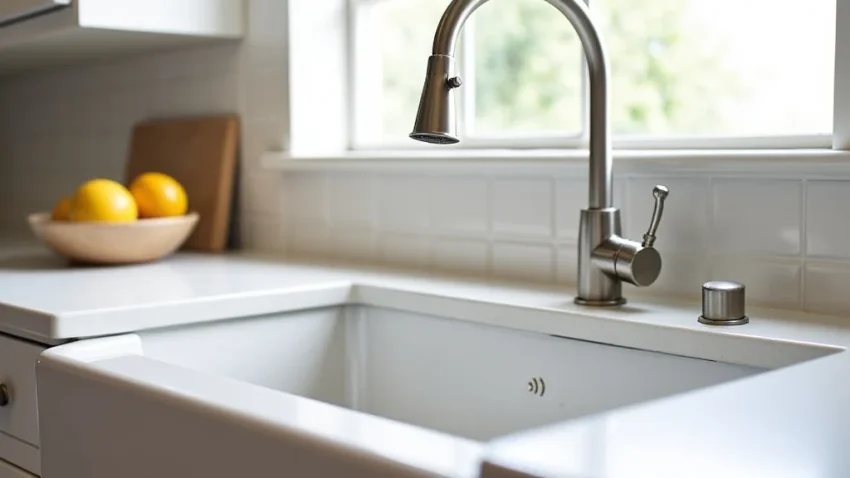
Planning a kitchen renovation can be exciting, but the costs can add up fast. One item that often surprises homeowners is the price of a kitchen farmhouse sink. You might have seen them in magazines or on your favorite cooking shows and wondered about the investment. This guide will break down the factors influencing kitchen farmhouse sink price and help you budget wisely. You’ll learn what to expect, how to find the best value, and make an informed decision for your dream kitchen.
Key Takeaways
- Material significantly impacts kitchen farmhouse sink price.
- Size and design features affect the overall cost.
- Brand reputation and where you purchase the sink play a role.
- Installation costs are a separate consideration from the sink’s price.
- Understanding these factors helps you budget effectively for your kitchen remodel.
Understanding Kitchen Farmhouse Sink Price Factors
The cost of a kitchen farmhouse sink varies widely. This is because many elements contribute to its final price tag. From the material it’s made from to its size and intricate details, each factor plays a part. We will explore these key elements so you can get a clear picture of what to anticipate. Knowing these details helps you make a smart choice for your kitchen design and budget.
Material’s Role in Sink Cost
The material a farmhouse sink is crafted from is one of the biggest drivers of its price. Each material offers unique aesthetics, durability, and maintenance requirements, all of which influence how much you’ll pay.
Fireclay is a popular choice for farmhouse sinks. It’s made from clay fired at very high temperatures, making it extremely hard and durable. Fireclay sinks are resistant to chips, cracks, and stains. They offer a classic, glossy white finish that is easy to clean. Because of their durability and classic appeal, fireclay sinks tend to be moderately priced, often falling in the mid-range.
Cast Iron sinks are known for their incredible strength and longevity. These sinks are made by pouring molten iron into a mold and then coating it with a thick layer of enamel. The enamel coating provides a smooth, glossy surface that is resistant to scratches and stains. Cast iron sinks are heavy and can last a lifetime if properly cared for. This durability and the manufacturing process contribute to a higher price point, often placing them in the mid to upper-mid price range.
Stainless Steel is another common material, though less traditional for the distinct “farmhouse” look. However, some manufacturers offer stainless steel sinks with a farmhouse apron front. Stainless steel is durable, non-porous, and relatively easy to clean. Its price can vary significantly based on the gauge (thickness) of the steel and the finish. Thicker steel and more complex designs will increase the cost. Stainless steel farmhouse sinks can often be found at more budget-friendly prices compared to fireclay or cast iron, though high-end models can be costly.
Natural Stone like granite or marble can also be used for farmhouse sinks. These materials offer a luxurious and unique look, as each slab is distinct. Natural stone sinks are beautiful and can be very durable, but they also require more maintenance, such as sealing to prevent stains. The price for natural stone farmhouse sinks is typically at the higher end of the spectrum due to the cost of the material itself and the craftsmanship involved.
Composite materials, often made from quartz or granite dust mixed with resin, are also becoming popular. These sinks are durable, resistant to scratches and stains, and come in a variety of colors. The price for composite sinks can range from mid-tier to high, depending on the specific composition and brand.
Understanding these material differences is key. A fireclay sink might cost between $500 and $1,500, while a premium cast iron model could range from $800 to $2,000. Stainless steel can be found from $300 upwards, and natural stone or high-end composites can easily exceed $2,000.
Size and Design Impact on Price
Beyond the material, the physical dimensions and design features of a kitchen farmhouse sink significantly influence its kitchen farmhouse sink price. A larger sink naturally requires more raw material and more complex manufacturing, driving up costs.
Sink Dimensions: A standard farmhouse sink might be around 30-36 inches wide. However, you can find much larger sinks, up to 48 inches or even wider. These larger sinks require more material and a more substantial design to ensure structural integrity. Consequently, a 48-inch sink will almost always be more expensive than a 30-inch model made from the same material by the same manufacturer. The depth of the sink also plays a minor role. Deeper sinks may cost slightly more due to increased material usage and the engineering needed for proper drainage and splash control.
Single vs. Double Bowl Design: Farmhouse sinks come in single-bowl and double-bowl configurations. A double-bowl sink, with its dividing partition, requires more intricate design and manufacturing. This often makes double-bowl options slightly more expensive than their single-bowl counterparts of the same size and material. The size of each bowl in a double-bowl sink also matters; two large, equal bowls will cost more than one large and one small bowl.
Apron Front Style and Depth: The apron front itself can have different depths and profiles. Some apron fronts are simple and flat, while others may feature decorative grooves, beveled edges, or a more pronounced curvature. These decorative elements add to the labor and complexity of manufacturing, leading to a higher price. The thickness of the apron front also contributes; a thicker, more substantial apron can add to the material cost.
Drainboard Options: Some farmhouse sinks include an integrated drainboard on one or both sides. This feature adds extra surface area and requires additional shaping and finishing, increasing the overall price.
Customization and Special Features: Sinks with unique features, such as built-in soap dispensers, integrated cutting boards, or special finishes (like matte black or brushed gold), will also command higher prices. Custom-made sinks designed to specific dimensions or unique aesthetic requirements will be the most expensive.
For example, a 33-inch single-bowl fireclay farmhouse sink might start around $700. The same sink in a 36-inch size could be $900. If you opt for a 36-inch double-bowl version in fireclay, the price might jump to $1,100. Adding a drainboard or a decorative front could add another $200-$500 or more. These variations highlight how size and design choices directly affect the kitchen farmhouse sink price.
Brand, Retailer, and Installation Costs
The brand of the farmhouse sink and where you choose to buy it can also influence the kitchen farmhouse sink price. Furthermore, it’s crucial to remember that the price of the sink itself is only part of the total cost of installation.
Brand Reputation: Well-known, established brands often carry a premium price tag. These brands typically guarantee quality, offer extensive warranties, and have a reputation for durability and excellent customer service. Brands that focus on luxury or high-end artisanal products will naturally be more expensive than generic or private-label options. For instance, a sink from a designer kitchen brand might cost double that of a comparable sink from a less recognized manufacturer.
Retailer Markup: The markup at different retailers can also affect the price. Kitchen and bath specialty stores, plumbing supply houses, and high-end home improvement stores might have higher prices due to their overhead costs and specialized services. Online retailers and large home improvement chains may offer more competitive pricing. However, it’s important to consider the return policies, customer support, and shipping costs when comparing prices between different types of retailers. Buying directly from a manufacturer’s website can sometimes offer savings but might limit your ability to see the product in person.
Installation Costs: This is a significant factor that is often overlooked when budgeting for a sink. Installing a farmhouse sink, especially if you are replacing an existing sink that is not a farmhouse style, can be complex.
* Cabinet Modification: Farmhouse sinks often require custom cabinet modifications to accommodate their apron front. This can involve cutting into the cabinet face and reinforcing the base. This work is typically done by a carpenter or cabinet installer.
* Plumbing Adjustments: Depending on the new sink’s configuration and your existing plumbing, adjustments might be needed. This could involve moving or replacing drain pipes and supply lines. A plumber will handle these tasks.
* Countertop Work: For certain countertop materials, like granite or quartz, cutting for a farmhouse sink can be more challenging and may require specialized tools and expertise.
* DIY vs. Professional Installation: While some handy homeowners might attempt a DIY installation, it’s often recommended to hire professionals, especially for the cabinet modifications and precise countertop cuts. Professional installation for a farmhouse sink can range from $300 to $1,000 or more, depending on the complexity of the job and your location.
When considering the total kitchen farmhouse sink price, factor in approximately 20-40% additional cost for professional installation. A $1,000 sink could end up costing $1,300-$1,400 once installation is complete. Always get detailed quotes from plumbers, carpenters, and countertop fabricators before you begin.
Choosing the Right Material for Your Farmhouse Sink
Selecting the correct material for your farmhouse sink is a decision that impacts its appearance, durability, and ultimately, its kitchen farmhouse sink price. Each material brings its own set of advantages and considerations. We’ll delve into the most popular choices and help you decide which best suits your needs and budget.
Deep Dive into Fireclay
Fireclay has become a staple for farmhouse sinks, and for good reason. It offers a beautiful aesthetic that complements the farmhouse style perfectly.
What is Fireclay?
Fireclay is a type of ceramic clay that is fired at extremely high temperatures, often exceeding 2000 degrees Fahrenheit. This intense heat fuses the clay particles together, creating an incredibly dense and hard material. During the firing process, a thick, glossy glaze is applied, which further enhances the sink’s durability and non-porous surface. The resulting material is exceptionally strong and resistant to heat, scratches, and stains.
Pros of Fireclay Sinks
* Durability: Fireclay is remarkably durable. It resists chipping, cracking, and staining from common kitchen acids and cleaning agents. This makes it a practical choice for busy kitchens.
* Aesthetics: The smooth, glossy white finish is classic and timeless. It provides a bright, clean look that can make a kitchen feel more spacious.
* Non-Porous Surface: The glaze makes the surface non-porous, preventing bacteria from accumulating and making it very hygienic and easy to clean.
* Heat Resistance: Fireclay can withstand high temperatures, so you don’t have to worry about placing hot pots or pans directly on its surface (though extreme thermal shock should still be avoided).
* Cost-Effectiveness: Compared to some other premium materials, fireclay often provides a great balance of quality, beauty, and price, fitting well within a moderate kitchen farmhouse sink price range.
Cons of Fireclay Sinks
* Weight: Fireclay sinks are quite heavy, which can add complexity and cost to installation. The cabinet base may need reinforcement.
* Potential for Chipping from Extreme Impact: While highly resistant, a very heavy or sharp object dropped directly onto the sink from a significant height could potentially chip the glaze.
* Limited Color Options: The most common color is white, although some manufacturers offer a limited range of off-white or biscuit colors. If you’re looking for a wide array of color choices, fireclay might not be the best fit.
Maintenance and Care
Cleaning a fireclay sink is straightforward. Use mild dish soap and a soft sponge or cloth. For tougher stains, a paste of baking soda and water can be effective. Avoid abrasive cleaners or scrub pads that could dull the glaze over time.
Typical Kitchen Farmhouse Sink Price for Fireclay
A good quality 30-inch to 36-inch fireclay farmhouse sink can range from $500 to $1,500, depending on the brand, design, and thickness.
Examining Cast Iron with Enamel Coating
Cast iron sinks are an enduring choice, celebrated for their robust construction and elegant finish.
What is Cast Iron?
Cast iron sinks are made by pouring molten iron into a mold. Once cooled and shaped, they are coated with a thick layer of enamel. This enamel coating, often porcelain-based, creates a smooth, glossy, and non-porous surface that is both beautiful and functional. The core material provides incredible strength and density.
Pros of Cast Iron Sinks
* Exceptional Durability: Cast iron is one of the strongest materials available for sinks. When combined with a quality enamel coating, it is highly resistant to chips, cracks, and scratches. These sinks can last for generations.
* Timeless Beauty: The thick enamel provides a luxurious, smooth finish that is aesthetically pleasing and complements a wide range of kitchen styles, especially traditional and farmhouse designs.
* Sound Dampening: The dense nature of cast iron helps to absorb sound. This means washing dishes or running water will be significantly quieter compared to sinks made from thinner materials.
* Heat Resistance: Like fireclay, cast iron with enamel is very heat resistant.
Cons of Cast Iron Sinks
* Extreme Weight: Cast iron sinks are exceptionally heavy, often weighing 100-200 pounds or more. This necessitates strong cabinet support and professional installation.
* Potential for Chipping the Enamel: While very durable, the enamel coating can chip if a very heavy or sharp object is dropped forcefully onto it. If chipping occurs, the exposed iron can rust if not properly repaired.
* Higher Price Point: Due to the manufacturing process and the quality of the material, cast iron sinks are generally more expensive than fireclay or stainless steel.
* Limited Color Options (Historically): While more options are emerging, historically, cast iron sinks were most commonly found in white or off-white.
Maintenance and Care
Similar to fireclay, cast iron sinks are cleaned with mild dish soap and a soft cloth. Avoid abrasive cleaners. If minor chips occur, they can often be repaired with specialized enamel repair kits.
Typical Kitchen Farmhouse Sink Price for Cast Iron
Expect to pay between $800 and $2,000 for a quality cast iron farmhouse sink, with prices escalating for larger sizes or designer brands.
Exploring Stainless Steel Options
While not the most traditional material for a farmhouse aesthetic, stainless steel offers practical benefits and can be found in apron-front styles.
What is Stainless Steel?
Stainless steel is an alloy of iron that contains chromium, which gives it its characteristic corrosion resistance. For sinks, the gauge of the steel is important – lower gauges (e.g., 16 or 18 gauge) indicate thicker steel, which is more durable and less prone to denting and noise.
Pros of Stainless Steel Sinks
* Durability and Resilience: Stainless steel is strong, rust-resistant, and can withstand everyday kitchen use. It doesn’t chip or crack.
* Hygienic and Easy to Clean: The non-porous surface is easy to sanitize and resistant to stains.
* Lightweight Compared to Other Materials: Stainless steel sinks are significantly lighter than cast iron or fireclay, making installation easier and often less expensive.
* Variety of Styles and Finishes: Available in various sheens, from brushed to polished, and can be formed into apron-front designs.
* Generally More Affordable: Stainless steel farmhouse sinks can be more budget-friendly, especially compared to premium materials.
Cons of Stainless Steel Sinks
* Noise: Stainless steel can be noisy when water or dishes hit it, although many sinks now come with sound-dampening pads or coatings to reduce this.
* Scratches and Water Spots: While durable, stainless steel can show scratches over time, especially in a brushed finish. Water spots can also be an issue if not dried properly.
* Less Traditional Look: It may not offer the same classic, solid feel as ceramic or cast iron, which some associate with the traditional farmhouse aesthetic.
Maintenance and Care
Clean with mild dish soap and a soft cloth. For scratches, some stainless steel polishes can help minimize their appearance. To prevent water spots, dry the sink after each use.
Typical Kitchen Farmhouse Sink Price for Stainless Steel
A stainless steel farmhouse sink can range from $300 to $1,000, depending heavily on the gauge, brand, and any special features like integrated drainboards or sound insulation.
Considerations for Composite and Natural Stone
These materials offer unique looks but come with specific requirements and price points.
Composite Sinks
Composite sinks are made from a blend of materials, most commonly quartz or granite dust mixed with resin. This creates a very durable, non-porous material that is resistant to chips, scratches, and stains. They are available in a wide range of colors and finishes, offering great design flexibility.
* Pros: Very durable, wide color selection, good heat and scratch resistance.
* Cons: Can be heavy, some lower-quality composites may fade over time, can be expensive.
* Price Range: $500 – $2,000+.
Natural Stone Sinks
Carved from solid blocks of granite, marble, or soapstone, these sinks offer unparalleled natural beauty. Each sink is unique.
* Pros: Absolutely stunning, unique, adds significant value and luxury to a kitchen.
* Cons: Very expensive, heavy, porous (requires sealing and careful maintenance to prevent staining and etching), can be prone to chipping.
* Price Range: $1,500 – $5,000+.
Factors Influencing Kitchen Farmhouse Sink Price Beyond Material
While the material is a primary cost driver, several other factors contribute to the overall kitchen farmhouse sink price. These include the sink’s dimensions, the complexity of its design, and any specialized features it may offer.
The Impact of Size and Depth
The physical size of a farmhouse sink has a direct correlation with its kitchen farmhouse sink price. Larger sinks require more raw materials and more intensive manufacturing processes.
* Width: Standard farmhouse sinks typically range from 24 inches to 36 inches wide. However, custom sizes and extra-large sinks can go up to 48 inches or even wider for expansive kitchens. A 36-inch sink will naturally cost more than a 30-inch sink made from the same material by the same brand. This is due to the increased volume of material and the larger mold or fabrication required.
* Depth: While less impactful than width, sink depth also plays a role. Deeper sinks (9 inches or more) require more material and might involve additional design considerations for optimal drainage and splash prevention. A deeper sink can add a small percentage to the overall cost.
A common 33-inch fireclay sink might cost $700, while a 36-inch model could be $950. A 48-inch sink, particularly in a premium material, could easily exceed $1,500-$2,000 before installation.
Design Complexity and Features
The aesthetic details and added functionalities of a farmhouse sink can significantly increase its price.
* Single vs. Double Bowl: Double-bowl sinks, with their central divider, involve more intricate manufacturing and often use more material than single-bowl sinks of the same overall dimensions. Expect a double-bowl configuration to add 10-20% to the price compared to a single-bowl of identical material and size.
* Apron Front Style: While a basic, flat apron front is standard, sinks with decorative elements like fluting, reeding, or curved edges require additional craftsmanship and tooling. These ornate designs are more labor-intensive and will therefore be more expensive.
* Drainboard Integration: Sinks with integrated drainboards on one or both sides add surface area and require specialized shaping during production. This feature will add to the overall cost.
* Special Finishes and Colors: While white is standard for fireclay and cast iron, specialty finishes like matte black, brushed nickel, or custom color glazes will increase the price. For stainless steel, certain textured finishes might also cost more.
* Integrated Accessories: Sinks that come with built-in features like cutting boards that fit over a section of the sink, colanders, or soap dispensers often come at a premium.
For instance, a plain 30-inch single-bowl fireclay sink might be $600, but a 30-inch double-bowl fireclay sink with a decorative fluted apron front could be $1,200 or more.
The Brand and Retailer Effect
The reputation of the brand and the place where you purchase the sink also play a role in the kitchen farmhouse sink price.
* Brand Name: High-end brands known for their craftsmanship, durability, and design often command higher prices. These brands may also offer longer warranties and better customer support. For example, a sink from a luxury kitchen manufacturer might cost $1,500, while a similar-looking sink from a more mass-market brand could be $700.
* Retailer Type: Specialty kitchen and bath showrooms, plumbing supply stores, and designer showrooms typically have higher overhead and may charge more than large home improvement chains or online retailers. However, these specialized stores often offer expert advice and a wider selection of high-quality products. Online retailers might offer the lowest prices, but it’s essential to factor in shipping costs and research the seller’s return policy and customer reviews carefully.
Installation: A Crucial Part of the Total Cost
It is vital to remember that the price of the sink itself is only one part of the total cost. Installation is a significant expense, especially for farmhouse sinks.
* Cabinetry Modifications: Farmhouse sinks require a specific type of cabinet base, often needing modifications to the existing cabinetry to accommodate the apron front. This usually involves cutting away a portion of the cabinet face and potentially adding support.
* Countertop Cutting: Depending on your countertop material (e.g., granite, quartz, solid surface), precise cutting may be needed for the sink installation. This requires specialized tools and expertise.
* Plumbing Work: A plumber will need to connect the faucet, drain, and disposal (if applicable) to the new sink. This can involve adapting existing plumbing.
Professional installation for a farmhouse sink can range from $300 to over $1,000, depending on the complexity and your location. Therefore, when budgeting, always add an estimated 20-40% to the sink’s purchase price for installation labor. A $900 sink could realistically cost $1,200-$1,300 in total.
Kitchen Farmhouse Sink Price Ranges
Let’s break down typical kitchen farmhouse sink price ranges based on material and features. These are approximate and can vary based on brand, size, and current market conditions.
Budget-Friendly Options
For those on a tighter budget, there are still viable farmhouse sink options. These typically involve stainless steel or basic fireclay models from less premium brands.
* Stainless Steel Apron Front Sinks: These can be found starting around $300 to $600. Look for 18-gauge steel for better durability. While they offer the apron front style, they might lack some of the sound-dampening features found on higher-end models.
* Basic Fireclay Sinks: Entry-level fireclay sinks, often from lesser-known brands or in standard sizes (like 30-33 inches), can start in the $500 to $800 range. Ensure the description indicates true fireclay and check reviews for quality.
These options are great for homeowners who love the farmhouse look but need to manage their renovation expenses carefully.
Mid-Range Choices
This category offers a good balance of quality, durability, and aesthetics. Most homeowners will find excellent options within this price bracket.
* Quality Fireclay Sinks: Well-regarded fireclay sinks from reputable brands typically range from $700 to $1,500. This range includes various sizes (up to 36 inches), single and double-bowl configurations, and classic designs.
* Mid-Tier Cast Iron Sinks: You can find cast iron sinks with enamel coatings in this range, often from $800 to $1,700. These will offer excellent durability and a classic look.
* Higher-End Stainless Steel: For stainless steel, this range might include thicker gauges (16 gauge), better sound insulation, and more sophisticated designs.
Premium and Luxury Farmhouse Sinks
For those seeking the ultimate in style, durability, or unique features, this price range offers top-tier options.
* High-End Cast Iron Sinks: Premium brands and larger or uniquely designed cast iron sinks can range from $1,500 to $2,500+.
* Designer Fireclay or Composite Sinks: Sinks from luxury brands, custom colors, or specialized composite materials can fall into the $1,000 to $2,500+ category.
* Natural Stone Sinks: These are almost exclusively in the luxury category, starting around $1,500 and easily going up to $5,000 or more, depending on the type of stone and complexity of carving.
* Custom-Made Sinks: Any sink that is custom-fabricated to specific dimensions or unique designs will be at the top end of the price spectrum.
Here’s a simplified table to visualize these ranges:
| Material | Typical Price Range (Sink Only) |
|||
| Stainless Steel | $300 – $1,000 |
| Basic Fireclay | $500 – $1,000 |
| Quality Fireclay | $700 – $1,500 |
| Mid-Tier Cast Iron | $800 – $1,700 |
| Premium Fireclay | $1,000 – $2,500+ |
| High-End Cast Iron | $1,500 – $2,500+ |
| Composite | $500 – $2,000+ |
| Natural Stone | $1,500 – $5,000+ |
Remember to add installation costs, which can range from $300 to $1,000+, to these figures for the total project cost.
Common Myths Debunked
There are many ideas floating around about farmhouse sinks, especially concerning their price and practicality. Let’s clear up some common misconceptions.
Myth 1: Farmhouse Sinks Are Always Extremely Expensive
While some high-end farmhouse sinks can be quite costly, they are not universally expensive. As we’ve explored, options like stainless steel apron-front sinks can be found for under $500. Even quality fireclay models often fall into a mid-range budget, making the farmhouse style accessible to more homeowners than many assume.
The key is understanding how material, size, and brand affect the kitchen farmhouse sink price.
Myth 2: Farmhouse Sinks Are Hard to Clean
This is a common misconception. Materials like fireclay and stainless steel have non-porous surfaces that are very easy to clean with standard dish soap and water. While cast iron might require a bit more care to avoid chipping the enamel, most modern farmhouse sinks are designed for easy maintenance.
Their deep basins can actually make washing large pots and pans more convenient than a shallow, divided sink.
Myth 3: You Need a Huge Kitchen for a Farmhouse Sink
Farmhouse sinks come in various sizes, including compact models. While a 48-inch sink would be overwhelming in a small kitchen, 24-inch, 27-inch, or 30-inch apron-front sinks are available and work perfectly well in smaller spaces. The “farmhouse” style is more about the apron front design than the sink’s overall footprint.
You can achieve the look without needing an expansive kitchen.
Myth 4: All Farmhouse Sinks Are White
While white is the most traditional and common color, especially for fireclay and cast iron, it’s not the only option. Stainless steel sinks come in various finishes. Composite sinks are available in a wide array of colors, from black and gray to granite speckles.
Even some fireclay and cast iron manufacturers are offering limited selections of biscuit, gray, or even custom colors, though these can increase the kitchen farmhouse sink price.
Frequently Asked Questions
Question: What is the average kitchen farmhouse sink price?
Answer: The average kitchen farmhouse sink price typically falls between $700 and $1,500 for good quality options in popular materials like fireclay or cast iron. However, prices can range from as low as $300 for basic stainless steel models to over $5,000 for custom natural stone sinks.
Question: Are farmhouse sinks more expensive than regular sinks?
Answer: Generally, yes, farmhouse sinks can be more expensive than standard undermount or drop-in sinks of similar material and size. This is due to the specialized apron front design, which often requires more complex manufacturing and cabinet modifications during installation.
Question: What is the most durable material for a farmhouse sink?
Answer: Both cast iron and fireclay are exceptionally durable materials for farmhouse sinks. Cast iron offers incredible strength and longevity, while fireclay is highly resistant to chips, cracks, and stains. Stainless steel is also very durable and resilient.
Question: How much does installation typically add to the cost of a farmhouse sink?
Answer: Professional installation for a farmhouse sink can add anywhere from $300 to $1,000 or more to the total cost. This is because it often involves significant cabinet modifications, precise countertop cutting, and plumbing adjustments.
Question: Are there budget-friendly farmhouse sink options?
Answer: Yes, stainless steel apron-front sinks can be found for under $500, and entry-level fireclay sinks start around $500 to $800. These offer the farmhouse look at a more accessible price point.
Summary
When considering a kitchen farmhouse sink price, remember that material, size, design complexity, brand, and installation all play significant roles. You can find a beautiful and functional farmhouse sink to fit nearly any budget, from affordable stainless steel options to luxurious natural stone. Making an informed choice ensures you get the style and durability you desire for your kitchen.