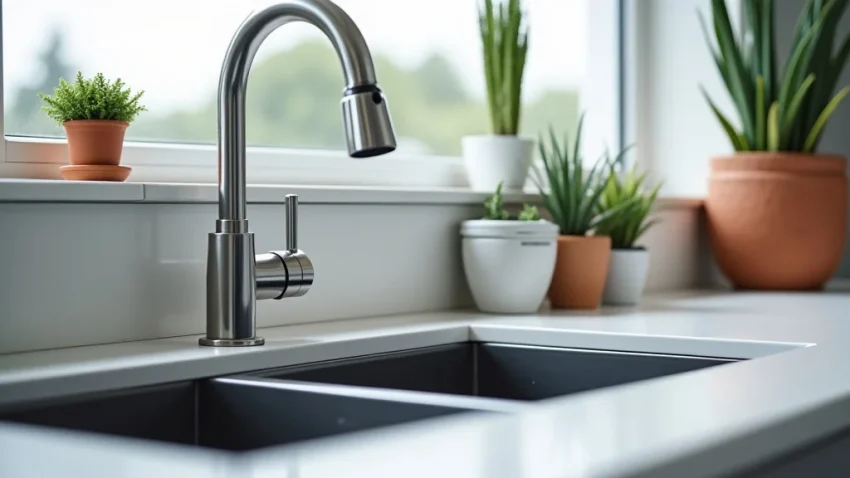
Choosing a new kitchen sink mixer tap can feel overwhelming. You’re probably looking at your current tap, noticing a drip or perhaps just wanting a style upgrade, and then the big question hits: what will a new one cost? It’s easy to get lost in the endless options, materials, and brands, wondering how to get the best value without breaking the bank. This guide will help you understand the factors influencing kitchen sink mixer tap price and find the perfect fit for your home and budget.
Key Takeaways
- The material and finish significantly impact a mixer tap’s cost.
- Brand reputation and warranty policies play a role in pricing.
- Features like extendable hoses or touchless operation increase the price.
- Installation costs are separate from the tap’s purchase price.
- Budget-friendly options exist without sacrificing basic functionality.
- Higher-end taps offer durability and premium aesthetics for a higher kitchen sink mixer tap price.
Factors Affecting Kitchen Sink Mixer Tap Price
The price you pay for a kitchen sink mixer tap depends on many things. It’s not just about how it looks; the internal workings and the materials used are huge factors. When you look at a tap, you see the surface, but there’s a lot more going on inside that affects its lifespan and how well it works.
Materials and Finishes
The stuff a tap is made of makes a big difference to its price. Most taps are made from brass, which is durable and doesn’t rust. Some cheaper taps might use stainless steel or even plastic, especially for internal parts.
Brass Taps
Brass taps are very common because brass is strong and lasts a long time. It can be plated with different finishes like chrome, brushed nickel, or matte black. The plating quality also affects the price. A thicker, more durable plating will cost more but will last longer and look better over time.
Stainless Steel Taps
Stainless steel is another popular choice. It’s resistant to corrosion and looks modern. Taps made entirely of stainless steel can be a bit more expensive than basic brass ones.
Plastic and Other Materials
Some taps use plastic for certain components to keep costs down. While these might be cheaper initially, they may not be as durable as metal taps. Always check what the tap is made of, especially the parts that get the most wear and tear.
Build Quality and Durability
How well a tap is put together is super important. A well-made tap will have smooth operation, no leaks, and will withstand daily use for years. Cheaper taps might have rougher finishes, loose handles, or parts that wear out quickly.
Internal Components
The type of valve inside the tap is a key indicator of quality. Ceramic disc valves are considered the best. They are very durable and less likely to drip. Cartridge valves are also common and generally good, but older compression valves are less reliable and more prone to leaks. A tap with ceramic disc valves will usually have a higher kitchen sink mixer tap price.
Weight and Feel
Often, a heavier tap is a sign of better quality materials and construction. Pick it up if you can. Does it feel solid and well-made, or light and flimsy? This can give you a good clue about its durability.
Brand Reputation and Warranty
Well-known brands often cost more, but they usually offer better quality and customer service. They also tend to provide longer warranties. A long warranty is a good sign that the manufacturer believes in their product’s quality.
Popular Brands
Brands like Grohe, Hansgrohe, Kohler, and Moen are known for making high-quality kitchen taps. While their taps might be pricier, they often last much longer and come with excellent warranties.
Warranty Importance
When looking at the kitchen sink mixer tap price, consider the warranty. A 5-year or 10-year warranty can save you a lot of money and worry down the line if something goes wrong. Some brands even offer lifetime warranties on certain parts.
Types of Kitchen Sink Mixer Taps and Their Pricing
The style and functionality of a mixer tap also play a big part in how much it costs. Different designs offer different features, and these features add to the overall price.
Standard Mixer Taps
These are the most common type, with a single lever that controls both water flow and temperature. They are simple, easy to use, and generally the most affordable option.
Basic Designs
You can find basic chrome mixer taps from many brands for a very reasonable price. These are perfect for renters or for kitchens on a tight budget. They do the job well and can look quite smart.
Pull-Out and Pull-Down Taps
These taps have a spray head that you can pull out or down from the main spout. This makes rinsing dishes, cleaning the sink, and filling pots much easier.
Convenience Features
The added convenience of a pull-out or pull-down hose means these taps are usually more expensive than standard models. The quality of the hose and the retraction mechanism can also affect the kitchen sink mixer tap price. Some high-end models have magnetic docking systems to ensure the spray head snaps back perfectly into place.
Commercial-Style or Professional Taps
These taps often have a distinctive look with a high, arched spout and a flexible hose, similar to those found in restaurant kitchens. They are great for large sinks and offer a lot of flexibility.
Industrial Aesthetics
The robust design and often professional-grade materials used in commercial-style taps mean they tend to be at the higher end of the price spectrum. They are built for heavy use and durability.
Touchless or Sensor Taps
These are the most advanced and expensive type of mixer tap. They turn on and off with a wave of your hand or by detecting motion.
Hygiene and Efficiency
Touchless taps offer great hygiene benefits, as you don’t need to touch the tap with dirty hands. They can also save water by turning off automatically. The technology involved makes them the most costly option, significantly impacting the overall kitchen sink mixer tap price.
Additional Features and Their Impact on Price
Beyond the basic design, many extra features can be added to mixer taps. These features enhance usability, aesthetics, or functionality, and each one can add to the cost.
Water Filtration Systems
Some high-end mixer taps come with built-in water filters. These provide clean, filtered drinking water directly from the tap, eliminating the need for a separate filter jug or faucet.
Health and Convenience
Having an integrated filter is a significant convenience and health benefit. This advanced feature will, naturally, increase the kitchen sink mixer tap price considerably. The cost of replacement filter cartridges also needs to be considered in the long term.
LED Lights and Temperature Indicators
Some modern taps include LED lights that can change color to indicate water temperature or simply add a decorative touch.
Visual Appeal
While visually interesting, these features add to the complexity of the tap and can increase the manufacturing cost. The electronic components and wiring for LEDs are a factor in the price.
Aerators and Flow Control
Most good mixer taps have aerators. An aerator mixes air with the water stream, reducing water usage while maintaining pressure and reducing splashing. Some taps offer adjustable aerators or special flow control features.
Water Saving Technology
Advanced aerators and flow control mechanisms are designed to save water and energy. While they contribute to long-term savings, they can add a small amount to the initial kitchen sink mixer tap price.
Installation Costs
It’s vital to remember that the kitchen sink mixer tap price you see on the tag is just for the product itself. You also need to factor in the cost of installation.
DIY vs. Professional Installation
If you are confident with DIY projects, you might be able to install the tap yourself. This saves money on labor. However, if you’re not experienced with plumbing, it’s much safer and often more efficient to hire a professional plumber.
Plumber Fees
Plumbers typically charge an hourly rate, and the time taken can vary depending on the complexity of the installation. For a standard mixer tap replacement, it might take an hour or two. For more complex installations, like adding a new tap to a sink that didn’t have one before, it could take longer and cost more. Always get a quote beforehand.
Associated Costs
Sometimes, when replacing an old tap, you might need additional parts or minor repairs. This could include new flexible hoses, sealant, or even a quick fix to the pipework if it’s corroded. These small extras can add up.
Sample Price Ranges
To give you a clearer idea, here are some typical price ranges for kitchen sink mixer taps based on their features and quality. These are general estimates and can vary by region and retailer.
Budget-Friendly Options
For a basic, functional mixer tap made from decent quality materials (like plated brass) from a less well-known brand, you might expect to pay between $50 and $150. These taps will offer standard features and a reasonable lifespan.
Mid-Range Choices
In the mid-range, typically from reputable brands, you’ll find taps with better build quality, more durable finishes, and perhaps a pull-out spray. Expect to spend between $150 and $350. These offer a good balance of quality, features, and price.
Premium and High-End Taps
For designer taps, commercial-style models, touchless options, or those with integrated water filters, the kitchen sink mixer tap price can range from $350 to over $1000. These taps are made with the best materials, cutting-edge technology, and offer superior durability and style.
Comparing Different Tap Types and Prices
Let’s look at how different types of taps compare in terms of price. This table gives you a rough idea of what to expect.
| Tap Type | Typical Price Range (USD) | Key Features |
||||
| Standard Mixer Tap | $50 – $200 | Single lever, basic functionality, various finishes |
| Pull-Out/Pull-Down Mixer Tap | $150 – $400 | Extendable spray head, increased sink cleaning ease |
| Commercial-Style Mixer Tap | $250 – $700+ | High spout, flexible hose, robust build |
| Touchless/Sensor Mixer Tap | $300 – $1000+ | Motion-activated, hygienic, water-saving |
| Filtered Mixer Tap | $400 – $1200+ | Integrated water filter, clean drinking water |
Common Myths Debunked
There are many ideas people have about tap prices that aren’t always true. Let’s clear some of those up.
Myth 1: The Most Expensive Tap Is Always The Best.
While high-end taps often use premium materials and advanced features, the most expensive option isn’t automatically the best for everyone. Sometimes, you pay a premium for brand name or a very specific, niche design that might not offer better longevity or performance than a well-made mid-range tap. It’s important to match the tap’s features and build quality to your actual needs and usage patterns.
Myth 2: All Chrome Finishes Are The Same.
Chrome finishes can vary greatly in quality. A cheap chrome plating might wear off quickly, revealing the base metal underneath and leading to corrosion. Higher-quality chrome plating is thicker, more durable, and provides a longer-lasting shine.
Always check reviews or ask about the plating process if you’re concerned about durability.
Myth 3: You Can’t Get A Good Tap For Under $100.
It is possible to find durable and functional kitchen mixer taps for under $100, especially from lesser-known brands or during sales. These taps typically offer basic features and might not have the most premium finishes or the longest warranties. However, for simple use, they can be a perfectly adequate and budget-friendly choice.
Myth 4: Ceramic Disc Valves Are Always Superior In Every Way.
Ceramic disc valves are generally considered more durable and reliable than other types, leading to fewer leaks and longer life. However, they can sometimes be more expensive to replace if they do fail compared to simpler cartridge or compression valves. For most users, the reliability of ceramic discs makes them the preferred choice, but it’s a factor to consider in the overall long-term cost.
Frequently Asked Questions
Question: What is the average price for a kitchen sink mixer tap?
Answer: The average price for a kitchen sink mixer tap can range widely, but generally falls between $150 and $350 for good quality options from reputable brands. Basic models can be found for under $100, while high-end or specialized taps can cost upwards of $500.
Question: Are pull-out taps worth the extra cost?
Answer: For many people, the added convenience and functionality of a pull-out or pull-down tap make them well worth the extra cost. They significantly improve ease of use for tasks like washing large pots, cleaning the sink, and rinsing produce. If you value practicality in your kitchen, they are a great investment.
Question: How much should I expect to pay for installation?
Answer: Professional installation for a kitchen sink mixer tap typically costs between $100 and $250. This can vary based on your location, the plumber’s rates, and whether there are any complications during the installation process.
Question: Do cheaper taps leak more often?
Answer: Cheaper taps may be more prone to leaks over time due to lower quality materials and less precise manufacturing. However, a well-made tap from a budget brand can still perform reliably for many years. Checking reviews and focusing on brands with good return policies can help mitigate this risk.
Question: What is the most durable material for a kitchen mixer tap?
Answer: Solid brass is generally considered the most durable material for the body of a kitchen mixer tap. It is resistant to corrosion and can withstand high water pressure. Stainless steel is also a very durable option.
Summary
Understanding the kitchen sink mixer tap price involves looking at materials, build quality, brand, and features. Solid brass or stainless steel taps with ceramic disc valves offer good durability. Features like pull-out sprayers or touchless operation increase the cost but add convenience. Installation costs are separate and should be budgeted for. By considering these factors, you can find a tap that fits your needs and budget, ensuring both functionality and lasting value in your kitchen.