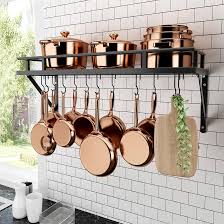
Are you tired of digging through piles of pots and pans every time you need to make dinner? A well-organized kitchen can transform your cooking experience. You’ve probably seen those beautiful kitchens with pots and pans neatly displayed, but wondered about the cost.
This guide will break down everything you need to know about kitchen pot rack price, helping you find the perfect solution for your space and budget. We’ll explore different types, materials, and factors that influence cost, so you can make an informed decision.
Key Takeaways
- Different types of pot racks (ceiling, wall, countertop) vary significantly in price.
- Materials like wrought iron and stainless steel are more expensive than wood or plastic.
- Size and complexity of the design impact the overall cost.
- Installation costs can add to the total investment for some pot rack types.
- DIY options can significantly reduce the price of a pot rack.
- Finding affordable yet durable kitchen pot racks is achievable with careful consideration.
Understanding Kitchen Pot Rack Price Factors
The price of a kitchen pot rack isn’t a single, fixed number. It depends on a variety of elements, much like buying a car or a piece of furniture. When you’re looking into kitchen pot rack price, consider the materials used, the craftsmanship involved, and the brand reputation.
Simple designs will naturally cost less than elaborate ones. The more features and the sturdier the construction, the higher the price will likely be. It’s about finding a balance between what you want and what you can afford.
Materials are a major driver of cost. Natural wood, especially hardwoods like oak or cherry, will cost more than pine or composite materials. Metal racks can range from basic painted steel to premium stainless steel or polished copper.
Each material offers a different look and durability, which is reflected in the kitchen pot rack price.
Material Matters in Price
The material from which a pot rack is made is one of the most significant factors influencing its kitchen pot rack price. Think about the difference between a basic plastic organizer and a solid oak shelf. Metal racks offer a wide spectrum.
A simple, powder-coated steel rack might be quite affordable. However, as you move to materials like brushed stainless steel, polished chrome, or even copper, the price will increase substantially. These metals are often more durable, resistant to rust, and offer a higher aesthetic appeal.
Wood is another popular choice. The type of wood plays a big role. A pine or basic wood rack will be less expensive than one made from a hardwood like walnut or maple.
The finish applied to the wood also adds to the cost. A natural oil finish might be cheaper than a multi-coat lacquer or a painted finish.
Consider these material examples and their typical price impact:
- Plastic/Composite: Usually the most budget-friendly option, suitable for very light cookware or as a temporary solution.
- Powder-Coated Steel: A good balance of affordability and durability, widely available in various styles.
- Brushed Stainless Steel: Offers excellent durability, rust resistance, and a modern look, commanding a higher price.
- Solid Wood (Pine, Oak): Adds warmth and a classic aesthetic, with hardwoods like oak being more expensive than softer woods.
- Wrought Iron: Known for its strength and traditional appearance, often found in more decorative and higher-priced models.
- Copper: A premium material, prized for its beauty and conductivity, leading to the highest price points.
Size and Capacity Affect Cost
The sheer size of a pot rack directly influences its kitchen pot rack price. A compact countertop rack designed for a few small pans will naturally cost less than a large, multi-tiered ceiling rack capable of holding an entire set of cookware. Think about the dimensions: length, width, and height.
A longer rack requires more material and often more structural support, increasing the manufacturing cost. Similarly, if a rack has multiple levels or extensive shelving, it will also be more expensive.
Capacity is closely related to size. A rack designed to hold heavier, larger pots and pans will need to be built with stronger materials and more robust construction. This enhanced durability and load-bearing capability come at a higher price.
For instance, a rack meant for cast iron skillets will be more expensive than one intended for lightweight sauté pans.
Let’s look at how size and capacity impact price:
- Small Countertop Racks: Typically 12-24 inches, designed for 3-5 items, often under $50.
- Medium Wall-Mounted Racks: Usually 24-36 inches, capable of holding 6-10 items, ranging from $70 to $200.
- Large Ceiling-Mounted Racks: Often 36 inches or longer, with significant capacity for 10+ items, prices can range from $150 to $500+.
- Heavy-Duty Racks (for cast iron): Built with thicker materials and reinforced frames, adding 20-40% to the base price for a similar size.
Brand and Design Complexity
Just like with any product, brand reputation can influence the kitchen pot rack price. Well-known brands that have a history of producing high-quality, durable kitchenware might command a premium for their name. These brands often invest more in design, materials, and customer service, which translates into a higher price tag.
However, this doesn’t always mean a lesser-known brand is inferior. Many smaller manufacturers offer excellent value for money.
The complexity of the design is another critical factor. A simple, utilitarian rack will be less expensive than an ornate, decorative piece. Intricate scrollwork, multiple shelves, built-in lighting, or unique aesthetic features all add to the manufacturing process and, consequently, the kitchen pot rack price.
A minimalist design often means fewer components and less labor, resulting in a lower cost. Conversely, a rack with a complex, artistic flair will naturally demand a higher price.
Consider these design elements:
- Minimalist/Functional: Straight lines, simple hooks, basic frame. Generally lower cost.
- Decorative/Ornate: Includes curves, carvings, detailed patterns, or special finishes. Higher cost due to labor and materials.
- Integrated Features: Racks with built-in lights, spice racks, or utensil holders increase complexity and price.
- Custom Designs: Bespoke or custom-made racks will always be at the higher end of the kitchen pot rack price spectrum.
Types of Kitchen Pot Racks and Their Prices
When you’re exploring the kitchen pot rack price landscape, understanding the different types available is crucial. Each type serves a different purpose and has its own set of advantages and disadvantages, all reflected in its cost. From ceiling-mounted racks that make a statement to discreet wall-mounted options and convenient countertop models, there’s a solution for nearly every kitchen layout and budget.
The type of pot rack you choose will heavily depend on your kitchen’s size, layout, and your personal storage needs. A large kitchen might benefit from a dramatic ceiling rack, while a smaller space might require a more compact wall or countertop solution to maximize valuable counter or floor space.
Ceiling-Mounted Pot Racks
Ceiling-mounted pot racks are often the most visually striking type. They hang from the ceiling, typically directly above an island or kitchen workspace, and can serve as both a functional storage solution and a decorative centerpiece. Due to their size, the need for sturdy mounting, and often more elaborate designs, these tend to fall on the higher end of the kitchen pot rack price range.
The installation for ceiling racks requires significant care and attention. You need to ensure they are securely attached to ceiling joists or beams to support the weight of pots, pans, and potentially lids. This often means professional installation may be recommended or even necessary, adding to the overall cost beyond just the item itself.
Let’s break down ceiling rack pricing:
- Basic Steel or Wood Models: Often priced between $100 and $250. These are functional and typically come with a good number of hooks.
- Decorative Iron or Copper Models: Can range from $250 to $600 or more. These feature more intricate designs and premium materials.
- Large or Industrial-Sized Racks: For very large kitchens or extensive cookware collections, these can exceed $500, sometimes reaching $1,000+.
A common scenario for a ceiling rack is in a kitchen with a central island. Homeowners often opt for a large, round or rectangular ceiling rack that can hold their most-used pots and pans, keeping them easily accessible while cooking. The visual impact of a well-stocked pot rack can transform the island from a simple workspace into a focal point of the kitchen’s design.
Wall-Mounted Pot Racks
Wall-mounted pot racks offer a practical solution for kitchens where ceiling mounting isn’t feasible or desired. They attach directly to a wall, utilizing vertical space without occupying prime counter or floor areas. This makes them an excellent choice for smaller kitchens or for users who prefer a less dominant visual element in their cooking space.
The kitchen pot rack price for wall-mounted options is generally more moderate compared to ceiling units.
These racks can vary significantly in design, from simple rails with S-hooks to more elaborate shelves or grid systems. The mounting hardware is crucial for ensuring stability, especially if you plan to hang heavier items. Most wall-mounted racks come with the necessary hardware, but always check the product details.
Consider the typical price points for wall-mounted racks:
- Simple Rail Systems: Often the most affordable, ranging from $30 to $80. These are great for hanging utensils and lighter pots.
- Grid or Shelf Systems: Typically priced between $60 and $150. These offer more versatility, allowing for hanging and placing items on a shelf.
- Heavy-Duty or Decorative Models: Can cost $100 to $250 or more, especially if made from premium materials or featuring intricate designs.
A sample scenario might involve a home chef with a busy cooking schedule. They might install a 36-inch wall-mounted rack above their stove. This allows them to hang their everyday skillets, saucepans, and frequently used utensils within arm’s reach.
The organization not only saves time but also keeps their countertops clear, making the cooking process more enjoyable and efficient.
Countertop Pot Racks
Countertop pot racks are the most compact and often the most affordable type of pot rack. They sit directly on your kitchen counter and are ideal for small kitchens, dorm rooms, or for individuals who only need to store a few essential pots and pans. Their portability is a major advantage, allowing you to move them easily if needed.
The kitchen pot rack price for these units is generally the lowest.
These racks are usually designed with tiered levels or a central post with hooks. They are best suited for lighter cookware, such as small saucepans, frying pans, and lids. It’s important not to overload a countertop rack, as it can become unstable and potentially tip over.
Always ensure the rack is placed on a stable, flat surface.
Here’s what to expect for countertop rack prices:
- Basic Tiered Racks: Often found for $20 to $50. These are functional and great for small collections.
- Sturdier or Multi-Tiered Designs: Can range from $40 to $100. These offer more capacity and better stability.
- Decorative or Specialty Models: While less common, some decorative countertop racks might reach $100+, often made from higher-end materials like polished chrome or brushed metal.
Imagine a small apartment kitchen with limited cabinet space. A compact, two-tiered countertop pot rack placed near the stove could hold a couple of frequently used saucepans and a small frying pan. This frees up cabinet space for other essentials and keeps the most needed cookware readily available without taking up too much valuable counter real estate.
Cost-Saving Strategies for Buying a Pot Rack
Finding a kitchen pot rack that fits your budget is entirely achievable. You don’t always need to spend a fortune to get a functional and attractive storage solution. By employing smart shopping strategies and considering alternative options, you can significantly reduce the overall kitchen pot rack price without compromising on quality or utility.
It’s about being a savvy shopper. This involves comparing prices, looking for sales, and understanding when to invest in quality versus opting for a more budget-friendly choice. Sometimes, a slightly higher initial investment in a well-made rack can save you money in the long run by lasting longer and performing better.
Shopping Smart Sales and Discounts
One of the most effective ways to lower the kitchen pot rack price is by actively looking for sales and discounts. Many retailers offer seasonal sales, holiday promotions, or clearance events where you can find significant price reductions on home goods, including kitchen storage solutions. Keep an eye on major shopping holidays like Black Friday, Cyber Monday, and even end-of-season sales.
Signing up for email newsletters from your favorite home goods stores or kitchen supply retailers can alert you to upcoming promotions. Online price comparison websites and browser extensions can also help you find the best deals across multiple vendors. Don’t be afraid to compare prices before making a purchase; a few minutes of research can save you a good amount of money.
Examples of where to find deals:
- Major Retailers: Stores like Amazon, Wayfair, Overstock, and Bed Bath & Beyond frequently have sales.
- Appliance Stores: Sometimes carry high-end kitchen accessories and offer discounts.
- Direct from Manufacturer: Some brands have their own online stores with exclusive sales.
- Seasonal Sales Events: Look for deals around holidays and end-of-year clearances.
Considering Used or Refurbished Options
For those on a very tight budget, exploring the used or refurbished market can be an excellent way to acquire a quality kitchen pot rack at a fraction of its original cost. Many people upgrade their kitchens and sell their old but perfectly functional pot racks. You can find great deals on platforms like eBay, Facebook Marketplace, Craigslist, or through local thrift stores and consignment shops.
When buying used, always inspect the item carefully for any damage, rust, or missing parts. Ensure the mounting hardware is intact if it’s a wall or ceiling unit. Refurbished items often come with a warranty and have been inspected and repaired by the seller, offering a bit more peace of mind.
This approach can dramatically reduce the kitchen pot rack price and is an environmentally friendly choice.
Key things to check when buying used:
- Structural Integrity: Ensure the frame is straight and sturdy, with no signs of bending or weakness.
- Hooks and Fasteners: Verify that all hooks are present and secure, and any included hardware is usable.
- Surface Condition: Look for excessive rust, deep scratches, or peeling paint that cannot be easily fixed.
- Wobble Test: If possible, try to see if the rack stands firm without excessive wobbling.
DIY Pot Rack Projects
If you’re handy with tools and enjoy a good DIY project, creating your own pot rack can be an incredibly cost-effective way to get exactly what you want. The kitchen pot rack price can be drastically lowered by building one yourself. You can use readily available materials like lumber, pipes, or even repurpose old items.
This also allows for complete customization to fit your specific needs and aesthetic preferences.
Simple DIY designs can include a wooden plank mounted to the wall with hooks, or a pipe system that hangs from the ceiling. There are countless tutorials online demonstrating how to build stylish and functional pot racks with minimal cost. This is a fantastic option for those who want a unique look without a hefty price tag.
Popular DIY materials and methods include:
- Wooden Plank with Hooks: A simple plank of wood, sanded and stained, with S-hooks screwed into it. Mounts easily to a wall.
- Industrial Pipe Racks: Using plumbing pipes and fittings to create a sturdy, modern-looking rack, often mounted to the wall or ceiling.
- Repurposed Pallets or Ladders: Creative individuals can transform old wooden pallets or decorative ladders into unique pot racks.
- Pegboards: A versatile pegboard can be fitted with hooks to hang cookware, offering adjustable organization.
A common DIY scenario involves a homeowner who wants a rustic look. They might purchase a sturdy piece of reclaimed barn wood, sand it smooth, and apply a protective sealant. Then, they’d screw in a dozen heavy-duty cast iron hooks.
Mounting this to a kitchen wall above the stove provides a functional and aesthetically pleasing pot rack that cost them less than $50 in materials, a significant saving on the average kitchen pot rack price.
Installation Considerations and Their Costs
Beyond the initial purchase price of the kitchen pot rack itself, installation is a factor that can significantly impact the total investment. While some pot racks are designed for easy DIY installation, others require more complex mounting procedures, potentially necessitating professional help. Understanding these installation needs upfront can help you budget more accurately.
The type of pot rack and where you intend to install it will determine the complexity of the installation. For example, hanging a lightweight wall rack is a different undertaking than securely mounting a heavy ceiling rack into ceiling joists.
DIY Installation Costs
If you’re comfortable with basic home repairs and have the right tools, many pot racks can be installed yourself, which helps keep the overall kitchen pot rack price down. The primary “costs” here are the tools you might need and your time. Common tools for installation include a drill, screwdriver, stud finder, level, and measuring tape.
If you don’t already own these basic tools, acquiring them will add a small upfront cost. However, these are essential tools for many home maintenance tasks, so it can be a worthwhile investment. For simple wall-mounted racks, you might only need a drill and a screwdriver.
For ceiling racks, a stud finder becomes critical to ensure a secure mount.
Typical DIY tool costs might include:
- Drill/Driver: $50 – $150 for a good cordless model.
- Stud Finder: $15 – $40.
- Level: $10 – $30.
- Screwdriver Set: $15 – $40.
- Measuring Tape: $5 – $15.
Professional Installation Fees
For certain types of pot racks, particularly heavy ceiling-mounted units, professional installation might be the safest and most practical option. This ensures the rack is securely fastened to withstand the weight of cookware and prevent accidents. The cost of professional installation can vary widely depending on your location, the complexity of the job, and the installer’s rates.
A handyman or a general contractor can typically handle pot rack installations. For more complex electrical work, like integrating lighting into a rack, you might need an electrician. Always get quotes from multiple professionals before committing.
While it adds to the kitchen pot rack price, professional installation offers peace of mind and guarantees a secure fit.
Estimated professional installation costs:
- Handyman Service: $75 – $200 for basic wall or ceiling mounting.
- Electrician (if lighting involved): $150 – $300+ depending on complexity.
- Specialty Installer (for complex systems): Costs can vary significantly.
A sample scenario involves someone purchasing a large, ornate wrought-iron ceiling pot rack. They are not comfortable with drilling into their ceiling joists. They contact a local handyman service.
The handyman charges $120 to securely install the rack, including finding the joists and ensuring all mounting hardware is properly tightened. This adds to the overall kitchen pot rack price but ensures safety.
Average Kitchen Pot Rack Price Ranges
To give you a clearer picture, let’s consolidate the typical price ranges for different types of kitchen pot racks. These figures are averages and can fluctuate based on the factors discussed earlier, such as material, brand, and design complexity. Understanding these ranges can help you set a realistic budget when you’re looking for your ideal pot rack.
When researching, remember that these are approximate figures. A very basic model can sometimes be found for less, while high-end designer pieces can cost significantly more.
Budget-Friendly Options (Under $100)
For those on a tighter budget, there are several excellent kitchen pot rack options available for under $100. These typically include smaller wall-mounted rails, basic countertop racks, and some simpler ceiling-mounted models made from less expensive materials like powder-coated steel or basic wood. While they might not have the most elaborate designs or premium finishes, they offer great functionality.
These budget-friendly solutions are perfect for individuals who don’t have an extensive cookware collection or are looking for a simple way to organize a few essential items. They provide a noticeable improvement in kitchen organization without a significant financial outlay. The kitchen pot rack price in this range focuses on utility and basic design.
Examples in this price bracket:
- Small Wall-Mounted Rails: Usually around $30 – $60.
- Basic Countertop Tiered Racks: Typically $25 – $50.
- Compact Ceiling-Mounted Racks: Can be found from $70 – $100, often in simpler steel designs.
Mid-Range Options ($100 – $300)
The mid-range segment offers a fantastic balance of quality, durability, and aesthetics for your kitchen pot rack. In this price bracket, you’ll find larger wall-mounted racks, more robust ceiling-mounted options, and higher-quality countertop units. Materials often include brushed stainless steel, solid wood, or well-constructed wrought iron.
These racks are designed to hold more weight and last longer.
This is often the sweet spot for many consumers, providing a significant upgrade in both functionality and appearance without venturing into luxury pricing. The kitchen pot rack price here reflects better materials and more thoughtful designs.
What to expect in this price range:
- Larger Wall-Mounted Racks: $80 – $180, offering more hanging space and better construction.
- Standard Ceiling-Mounted Racks: $120 – $250, often in classic or modern steel designs.
- Solid Wood Countertop Shelves with Hooks: $90 – $200, providing a warm, natural look.
Premium Options ($300+)
For those seeking the ultimate in style, durability, and capacity, the premium segment of the kitchen pot rack market offers exceptional choices. These racks often feature high-end materials such as polished copper, solid brass, premium stainless steel, or fine hardwoods. Designs can be highly decorative, custom-made, or incorporate advanced features.
These are investment pieces that can become a stunning focal point in a gourmet kitchen. The kitchen pot rack price in this category is justified by superior craftsmanship, longevity, and unique aesthetic appeal. They are built to last for decades and handle even the heaviest cookware with ease.
Examples of premium offerings:
- Decorative Ceiling Racks: $300 – $800+, especially in copper or intricate ironwork.
- Custom-Built Wooden Racks: $400 – $1,000+, using high-grade hardwoods and finishes.
- Designer Stainless Steel Racks: $350 – $700+, known for their sleek, modern look and exceptional durability.
Common Myths Debunked
Frequently Asked Questions
Question: Are kitchen pot racks difficult to install?
Answer: Installation difficulty varies by type. Countertop racks require no installation. Wall-mounted racks usually need a drill and screws into studs.
Ceiling-mounted racks are the most complex, often requiring secure attachment to ceiling joists, sometimes suggesting professional help.
Question: Can a pot rack hold cast iron pans?
Answer: Yes, but you need to choose one designed for heavy loads. Look for sturdy materials like thick steel, wrought iron, or reinforced wood, and ensure it’s securely mounted. Check the weight capacity specified by the manufacturer.
Question: Do I need special tools for a pot rack?
Answer: For most DIY installations, basic tools like a drill, screwdriver, level, and stud finder are sufficient. Professional installation means you won’t need any tools yourself.
Question: Are expensive pot racks worth the extra cost?
Answer: It depends on your needs. Higher prices often mean better materials, durability, and design. If you have a large cookware collection or want a statement piece, a more expensive rack might be a worthwhile investment.
For basic needs, budget options suffice.
Question: Where is the best place to mount a wall pot rack?
Answer: Above a kitchen island or a stove is common as it keeps cookware accessible while cooking. Ensure there’s enough clearance from the stovetop and that the wall can support the weight.
Conclusion
The kitchen pot rack price is a spectrum, from very affordable options to high-end investments. You can find great solutions for any budget, whether you prefer a sleek wall mount, a statement ceiling rack, or a simple countertop organizer. Focus on the materials, size, and type that best suit your kitchen and cookware to get the most value.
Make informed choices and enjoy a more organized cooking space.