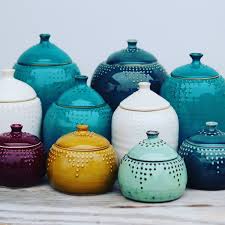
Have you ever stood in a home goods store, admiring a beautifully crafted ceramic jar for your kitchen, only to hesitate when you see the price tag? It’s a common experience. Many factors influence the final cost of these useful and decorative items.
This post will explore everything you need to know about kitchen ceramic jar price. You’ll learn what makes one jar cost more than another, how to find great deals, and what to expect when shopping for these kitchen essentials. By the end, you’ll feel confident making informed purchasing decisions.
Key Takeaways
- The material quality and origin of the ceramic significantly impact a jar’s price.
- Handmade or artisan-crafted jars command higher prices than mass-produced ones.
- The size, complexity of design, and any added features affect the overall cost.
- Brand reputation and where you purchase the jar (boutique vs. big box store) influence the price.
- Special finishes, glazes, and decorative elements add to the manufacturing cost and thus the retail price.
- Sales, discounts, and buying during off-seasons can help reduce the kitchen ceramic jar price you pay.
Factors Influencing Kitchen Ceramic Jar Price
The cost of a kitchen ceramic jar is not arbitrary; it’s a reflection of several interconnected elements. From the very earth the ceramic comes from to the hands that shape it, each stage adds value and contributes to the final price tag. Understanding these elements empowers you to appreciate the craftsmanship and make smarter choices for your kitchen decor and storage needs.
Material Quality and Origin
The type of ceramic used is a primary driver of cost. High-quality porcelain or stoneware, known for their durability and fine finish, are more expensive to source and process than common earthenware. The origin of the clay can also play a role; ceramic materials from regions renowned for their pottery traditions might carry a premium due to established quality standards and heritage.
For instance, fine bone china, often used for decorative purposes, is significantly more costly than standard ceramic due to its unique composition which includes bone ash, giving it exceptional strength and translucence. This higher grade material requires more skill in handling during firing and finishing, adding to the labor costs.
The firing temperature and process also contribute. Ceramics fired at higher temperatures become denser, less porous, and more robust, leading to a more durable and premium product. This increased durability often translates into a higher initial price but offers better long-term value.
Sourcing ethically and sustainably can also influence material costs. Suppliers who adhere to strict environmental or labor standards may have higher operational costs, which are then reflected in the prices of the raw materials they provide for manufacturing.
- Porcelain: Known for its strength, translucence, and non-porous nature. Higher firing temperatures contribute to its durability and cost.
- Stoneware: Durable and versatile, it’s denser and less porous than earthenware, making it a good mid-range option.
- Earthenware: The least expensive option, it is porous and typically needs a glaze to be watertight. It’s more prone to chipping.
Craftsmanship and Production Method
The way a ceramic jar is made has a significant impact on its price. Handmade jars, often shaped by skilled artisans on a potter’s wheel or through intricate hand-building techniques, are inherently more expensive. Each piece is unique, bearing the subtle marks of the maker’s touch.
This process requires time, expertise, and a keen eye for detail, all of which add considerable value. Mass-produced jars, manufactured using molds and automated processes, are typically more affordable because they can be produced in large quantities with less labor per item.
The level of detail in the design also matters. Intricate hand-painted designs, applied glazes, or decorative elements like relief work require extra time and skill from artists. These elements are time-consuming to create and demand a higher level of precision.
Even decorative carving or stamping adds labor costs. When comparing prices, consider whether the jar is a mass-produced item from a large factory or a piece crafted by an individual artist. The difference in the production method is a key indicator of the price variation you’ll observe in the market.
A common scenario illustrating this is comparing a hand-painted floral motif on a jar versus a simple, machine-applied decal. The decal can be applied quickly by a machine, whereas hand-painting each flower petal involves significant artistic effort and time. This is why a meticulously hand-painted jar will always command a higher kitchen ceramic jar price than one with printed designs.
- Handmade: Each piece is unique, shaped by an artisan. Higher labor costs and individual attention increase the price.
- Artisan Crafted: Often involves specialized techniques and high artistic input, leading to premium pricing.
- Mass Produced: Made using molds and machinery, allowing for lower costs due to high volume and reduced labor per unit.
Size and Design Complexity
Larger jars naturally require more raw material (clay) and more time to form, fire, and finish, contributing to a higher kitchen ceramic jar price. A small spice jar will cost considerably less than a large cookie jar or a substantial decorative piece designed to be a centerpiece. Beyond sheer size, the complexity of the jar’s shape and design also plays a crucial role.
Jars with unusual silhouettes, multiple components, or intricate structural elements demand more effort and precision during production.
For example, a jar with a perfectly cylindrical shape is simpler to produce than one with an asymmetrical form or a flared lip. Jars that require separate lids to fit precisely, especially if the lid has its own decorative elements, add to the manufacturing challenge. The more intricate the details, the more skilled labor is needed, and the higher the chances of production errors, which also factor into cost considerations for manufacturers.
Consider a tall, narrow vase versus a squat, wide-mouthed jar. The tall vase might seem larger, but the wide-mouthed jar might be more complex to keep structurally sound during the firing process, especially if it has a very thin wall. This is why even seemingly similar-sized jars can have vastly different price points based on their engineering and design.
- Larger Dimensions: More material and longer production times increase costs.
- Intricate Shapes: Non-uniform or complex forms require greater skill and more effort to create.
- Multi-piece Designs: Jars with separate lids or decorative attachments add to the manufacturing complexity and price.
Finishes and Decorative Elements
The surface treatment of a ceramic jar can dramatically affect its final price. High-quality glazes, especially those that are reactive, iridescent, or require multiple firing stages, are more expensive. These specialized finishes can create unique visual effects, add a protective layer, and enhance the aesthetic appeal.
For instance, a crackle glaze might involve a specific cooling process after firing to achieve its distinctive look, while a metallic glaze might require precious metal pigments.
Beyond glazes, any added decorative elements contribute to the kitchen ceramic jar price. This can include hand-painted motifs, decal applications, underglaze transfers, or even the application of gold or platinum accents. These embellishments require skilled artists and additional time.
The complexity and number of colors used in painted designs, or the intricacy of a decal’s pattern, directly correlate with the labor costs involved. Some high-end jars feature inlaid designs or hand-etched patterns, which represent the pinnacle of decorative artistry and command the highest prices.
Imagine two jars with identical shapes and sizes. One has a simple, uniform matte glaze, while the other features a vibrant, hand-painted peacock feather design with a subtle metallic sheen. The latter will undoubtedly be more expensive due to the artistic skill, time, and specialized materials involved in creating the intricate decoration and unique finish.
- Specialty Glazes: Reactive, iridescent, or multi-fire glazes add to material and labor costs.
- Hand-Painting: Detailed, hand-applied designs require artistic skill and significant time.
- Applied Embellishments: Decals, transfers, or metallic accents increase the decorative value and price.
Brand Reputation and Retailer Markup
Established brands in the home decor and kitchenware industry often command higher prices due to their reputation for quality, design, and customer service. Consumers are willing to pay a premium for a brand they trust and recognize. This brand equity is built over time through consistent product quality and effective marketing.
A well-known designer’s name attached to a ceramic jar can significantly inflate its price, even if the underlying production costs are comparable to unbranded items.
The retailer also plays a part in the final kitchen ceramic jar price. Boutiques and specialty home goods stores typically have higher overhead costs (rent, staffing, curated inventory) than large discount retailers or online marketplaces. These higher operating expenses are often passed on to the consumer through markups.
While you might find a wider selection and personalized service at a boutique, you may pay more for the experience and the curated selection. Conversely, buying from a large online retailer or a direct-to-consumer brand might offer lower prices by cutting out intermediaries and reducing their own operational footprint.
For example, a jar from a luxury home goods brand might be priced at $100, while an almost identical jar in terms of material and craftsmanship from an unbranded seller on an online marketplace could be found for $40. The difference is largely due to the brand’s perceived value, marketing, and the retailer’s profit margins.
Consider these sources and their typical pricing:
| Retailer Type | Typical Price Range (USD) | Factors Influencing Price |
|---|---|---|
| High-End Boutiques/Designer Stores | $60 – $250+ | Brand name, exclusive design, curated selection, higher overhead. |
| Mid-Range Home Goods Stores | $30 – $80 | Established brands, consistent quality, bulk purchasing discounts. |
| Online Marketplaces (e.g., Etsy, Amazon) | $20 – $150+ | Varies greatly by seller, handmade vs. mass-produced, direct-to-consumer potential. |
| Discount Retailers/Big Box Stores | $15 – $50 | Mass production, simpler designs, high volume sales, lower overhead. |
Where to Buy and Save on Ceramic Jars
Finding the right kitchen ceramic jar at a price that fits your budget involves knowing where to look and when to buy. The retail landscape offers a spectrum of options, from high-end designer showrooms to budget-friendly online marketplaces. Each has its own advantages in terms of selection, price, and purchasing experience.
Strategic shopping can lead to significant savings without compromising too much on quality or style.
Shopping Online vs. In-Store
Online shopping offers unparalleled convenience and often a wider selection of kitchen ceramic jars. E-commerce platforms and individual brand websites allow you to compare prices across numerous sellers and read customer reviews, which can be invaluable for assessing quality and value. Many online retailers also offer frequent sales, discount codes, and free shipping, further reducing the overall kitchen ceramic jar price.
However, online shopping lacks the tactile experience. You cannot feel the weight, texture, or true color of the ceramic before purchasing, which can sometimes lead to disappointment.
Shopping in physical stores provides the advantage of direct inspection. You can assess the build quality, finish, and how the jar might look in your kitchen. Specialty home goods stores and boutiques often have staff who can offer expert advice.
While prices in brick-and-mortar stores can sometimes be higher due to overhead costs, they also present opportunities for impulse buys during sales events or clearance periods. Furthermore, buying locally can sometimes support small businesses and artisans in your community.
A good strategy is to research options online to get a sense of prices and styles, and then look for similar items in local stores or vice versa. This dual approach helps you find the best combination of price, quality, and convenience.
- Online Convenience: Access to a vast selection, easy price comparison, and frequent discounts.
- In-Store Tactile Experience: Ability to inspect quality, texture, and color firsthand.
- Potential Savings: Online retailers often offer better deals, while physical stores may have clearance sections.
Finding Deals and Discounts
Savvy shoppers know that patience and strategic timing can unlock significant savings. Keep an eye out for seasonal sales, holiday promotions, and clearance events, especially after major gift-giving holidays like Christmas or during end-of-season markdowns. Many retailers offer email newsletters that alert subscribers to upcoming sales and exclusive discounts.
Signing up for these can be a direct line to deals on kitchen ceramic jars.
Discount codes and coupons are also readily available, particularly for online purchases. Websites dedicated to coupon aggregation and browser extensions that automatically search for discounts can help you find savings. Loyalty programs offered by many retailers can also earn you points or rewards that can be redeemed for future purchases, effectively lowering the kitchen ceramic jar price over time.
Consider buying from brands that offer direct-to-consumer sales, as they often bypass traditional retail markups.
For example, a jar you admired at a department store for $75 might be available for $50 with a 20% off coupon code found online, or even less during a Black Friday sale. It’s also worth exploring outlet stores or the “home” sections of larger discount retailers, which often carry slightly imperfect items or last season’s styles at reduced prices.
- Seasonal Sales: Look for promotions during holidays and end-of-season markdowns.
- Discount Codes: Utilize coupon websites and browser extensions for online savings.
- Loyalty Programs: Accumulate points or rewards for future discounts.
Comparing Different Types of Ceramic Jars
The world of ceramic jars for the kitchen is diverse, with options varying in style, intended use, and price. Understanding these distinctions helps in making a purchase that best suits your needs and budget. From simple storage vessels to decorative statement pieces, each type offers unique benefits and comes with its own set of price considerations.
Storage Jars vs. Decorative Jars
Kitchen ceramic jars primarily fall into two categories: those designed for practical storage and those intended purely for decoration. Storage jars, such as cookie jars, flour canisters, or sugar bowls, are built with functionality in mind. They need to be durable, easy to clean, and often feature airtight lids to preserve food freshness.
The materials and construction of these jars prioritize utility, which can sometimes mean simpler designs and more accessible price points, although premium storage solutions exist.
Decorative ceramic jars, on the other hand, are crafted to enhance the aesthetic appeal of a kitchen. They might feature elaborate designs, intricate patterns, or unique artistic glazes. While they can serve a storage function, their primary purpose is visual.
This emphasis on artistry and design typically translates to a higher kitchen ceramic jar price, as the value is placed on craftsmanship, uniqueness, and aesthetic impact rather than solely on utility. For instance, a beautifully sculpted ceramic vase designed to hold decorative flowers would likely be more expensive than a plain canister for storing pasta.
- Storage Jars: Focus on durability, functionality, and preservation. Prices often reflect practical materials and manufacturing.
- Decorative Jars: Emphasize artistic design, unique glazes, and craftsmanship. Higher prices are common due to aesthetic value.
Handmade vs. Machine-Made Ceramic Jars
The distinction between handmade and machine-made ceramic jars is a significant factor in their pricing. Handmade jars are often crafted by individual artisans or small workshops. Each piece is unique, showing the subtle variations that come from being shaped by human hands.
This process is labor-intensive, requiring skill, time, and personal attention. Artisans invest hours into each jar, from centering the clay on the wheel to applying glazes and firing. As a result, handmade jars typically carry a higher kitchen ceramic jar price, reflecting the artist’s expertise and the unique nature of the item.
Machine-made jars, conversely, are produced in large quantities using molds and automated machinery. This method allows for uniformity and speed, significantly reducing production costs per unit. While they may lack the individual character of handmade items, machine-made ceramic jars offer consistency and are generally more affordable.
They are ideal for those seeking a more budget-friendly option or a perfectly uniform look across multiple pieces. The appeal here is accessibility and replicability.
A home cook might choose a machine-made cookie jar for its affordability and reliability in daily use. However, someone looking for a statement piece to display on their counter might opt for a handmade ceramic jar, appreciating its artistic merit and individual charm, even if it costs more.
Consider this scenario:
- An artisan potter spends 4 hours hand-shaping, trimming, glazing, and firing a unique ceramic jar.
- A factory uses a mold to produce 100 identical jars in the same amount of time, with minimal human intervention per jar.
- The artisan’s jar is priced higher to account for their time, skill, and the item’s uniqueness.
- The factory jars are priced much lower due to mass production efficiency and lower labor costs per unit.
Common Ceramic Jar Styles and Their Price Points
Ceramic jars come in a vast array of styles, each appealing to different tastes and potentially influencing the kitchen ceramic jar price.
- Farmhouse/Rustic Jars: Often feature simple, sturdy designs, earthy tones, and perhaps a slightly imperfect, hand-finished look. They are generally mid-range in price, prioritizing a comfortable, lived-in aesthetic.
- Modern/Minimalist Jars: Characterized by clean lines, smooth surfaces, and often neutral color palettes. Their simplicity in form can still command higher prices if the material quality and finish are premium.
- Vintage/Retro Jars: These mimic styles from past eras, often with vibrant colors, floral patterns, or unique lid designs. Their price can vary significantly depending on the authenticity of the vintage appeal and the intricacy of the design.
- Artisan/Unique Jars: These are less about a specific style and more about individual artistic expression. They can feature unusual shapes, experimental glazes, or highly detailed hand-painted motifs, generally placing them at the higher end of the price spectrum.
For example, a plain white ceramic jar with a simple lid might be found for $20-$30. A similar-sized jar with intricate hand-painted floral patterns and a reactive glaze could easily range from $60 to $120 or more, depending on the artist and brand.
Common Myths Debunked
Myth 1: All ceramic jars are the same price.
This is a common misconception. The kitchen ceramic jar price can vary dramatically based on factors like material quality, origin, whether it’s handmade or machine-made, the complexity of its design, and the brand’s reputation. A plain earthenware jar will cost significantly less than a fine porcelain one with intricate hand-painted details.
Myth 2: Expensive ceramic jars are always better quality.
While higher prices often indicate superior craftsmanship, materials, or design, it’s not always true that the most expensive jar is the best. Brand markups, exclusive designer collaborations, and premium retail locations can inflate prices without necessarily correlating to a proportional increase in durability or functionality. It’s important to assess the actual material and construction rather than relying solely on the price tag.
Myth 3: Ceramic jars are too fragile for kitchen use.
While ceramic is more delicate than materials like stainless steel or plastic, many ceramic jars are designed specifically for kitchen environments. Stoneware and porcelain, in particular, are very durable and can withstand daily use if handled with reasonable care. They are less prone to scratching than some plastics and don’t leach chemicals.
Proper care and avoiding sudden temperature changes will ensure longevity.
Myth 4: All handmade ceramic jars are extremely expensive.
While handmade ceramic jars generally cost more than mass-produced ones, their price is influenced by the artist’s time, skill, and the complexity of the piece. Many independent ceramic artists price their work affordably, especially when selling directly to consumers through online platforms or local craft fairs. You can often find beautiful, unique handmade jars at reasonable prices if you search beyond high-end galleries.
Frequently Asked Questions
Question: What is a good price range for a basic kitchen ceramic storage jar?
Answer: For a basic, medium-sized kitchen ceramic storage jar (like a cookie or flour canister) that is machine-made and from a mid-range brand, you can typically expect to pay between $20 and $50 USD.
Question: Are artisan-made ceramic jars worth the higher price?
Answer: For many, yes. The higher price reflects the unique craftsmanship, time, and skill of the artisan. If you value individual artistry and a one-of-a-kind piece, the investment can be well worth it.
Question: How do I know if a ceramic jar is good quality?
Answer: Look for a smooth, even finish, a sturdy feel, and a well-fitting lid. For storage jars, ensure the interior is glazed and non-porous. Check for any chips or cracks.
For handmade items, subtle imperfections can be part of the charm and don’t always indicate poor quality.
Question: Can I find stylish ceramic jars on a tight budget?
Answer: Absolutely. Discount retailers, online marketplaces, and end-of-season sales can offer stylish ceramic jars at lower prices. Focus on simple designs and neutral colors, which often appear more sophisticated regardless of the price point.
Question: What makes some ceramic jars much more expensive than others?
Answer: The key drivers are material quality (e.g., porcelain vs. earthenware), whether it’s handmade by a skilled artisan, the complexity of the design and decoration, and the brand’s reputation or designer name.
Summary
Understanding kitchen ceramic jar price involves looking beyond the tag. Quality of ceramic, how it’s made by hand or machine, size, decorative details, and brand all play a role. Smart shopping means comparing options, seeking deals, and knowing what you’re paying for.
You can find beautiful, functional ceramic jars that fit your kitchen and your budget.