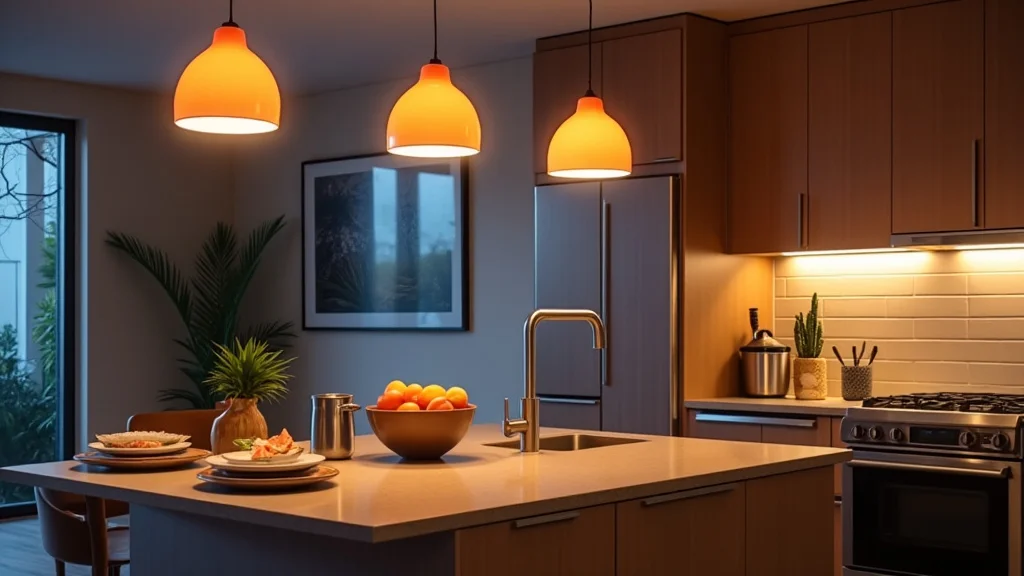
Planning a kitchen remodel can be exciting, especially when you envision the heart of your home sparkling with brand-new fixtures. But before you get lost in beautiful Pinterest boards, a practical question looms: what about the modern kitchen lighting price? Understanding the costs involved can help you budget effectively and make informed choices that fit your style and your wallet. This guide will break down the factors influencing lighting costs and help you find the perfect lights without breaking the bank.
Key Takeaways
- Understand the main factors that affect modern kitchen lighting price.
- Learn about different types of kitchen lights and their typical costs.
- Discover how materials and finishes impact fixture pricing.
- Explore installation costs and potential DIY savings.
- Gain insights into where to find affordable yet stylish lighting options.
- Budget effectively for your new kitchen lighting.
Understanding Modern Kitchen Lighting Price Factors
The cost of modern kitchen lighting is not a fixed number; it’s influenced by a variety of elements. Think of it like buying a car – a basic model will cost less than one loaded with all the premium features. Similarly, kitchen lights vary greatly based on their design, the materials used, the brand, and the technology they incorporate. When you’re looking at modern kitchen lighting price, always consider these underlying drivers.
Materials and Finishes
The substances used to construct a light fixture play a significant role in its price. High-end materials like solid brass, hand-blown glass, or natural wood tend to be more expensive than simpler alternatives such as aluminum, acrylic, or mass-produced glass. The finish also adds to the cost. For instance, hand-applied patinas or brushed nickel finishes might cost more than a standard painted or polished chrome.
- Metals: The type of metal used is a major cost determinant. For example, solid brass or copper fixtures, known for their durability and aesthetic appeal, are generally pricier than those made from steel or aluminum. Stainless steel offers a good balance of durability and cost for modern designs. The complexity of metalwork, like intricate casting or hand-hammering, also adds to the price.
- Glass and Other Diffusers: Glass quality and type significantly impact cost. Hand-blown glass, often unique and artisanal, commands a higher price than standard machine-made glass. Frosted, seeded, or colored glass also affects the price. Other materials like acrylic, crystal, or fabric shades have their own price points.
- Finishes: The finish applied to a fixture can add to its expense. Common finishes like polished chrome or brushed nickel are often standard. However, more elaborate finishes such as antique brass, matte black, or custom powder coating can increase the overall cost. The durability and application method of the finish also matter.
Brand and Design
Renowned lighting brands often carry a premium due to their reputation for quality, design innovation, and customer service. Designer collections, created by well-known interior designers or architects, will naturally be more expensive than generic or unbranded options. Unique or avant-garde designs that require more complex manufacturing processes also contribute to a higher price tag.
- Reputable Brands: Established lighting manufacturers invest heavily in design, research, and quality control. This reputation often translates into higher prices for their products, reflecting the perceived value and reliability. Examples include brands known for modern aesthetics and high-quality construction.
- Designer Collections: When a lighting fixture is part of a collection designed by a famous interior designer or architect, the price often reflects that association. These pieces are marketed for their exclusivity and artistic merit, making them a significant investment.
- Customization and Bespoke Options: Lighting fixtures that can be customized in terms of size, finish, or color will typically be more expensive. Truly bespoke, made-to-order pieces involve significant design and manufacturing effort, justifying a higher modern kitchen lighting price.
Technology and Features
Modern lighting often incorporates advanced technology that can affect its price. LED technology, while energy-efficient and long-lasting, can have a higher upfront cost than traditional incandescent bulbs. Features like dimmability, smart home integration (Wi-Fi or Bluetooth connectivity), color-changing capabilities, or integrated sensors add to the complexity and cost of the fixture.
- LED Technology: While the initial cost of LED fixtures can be higher, they offer substantial savings in energy consumption and bulb replacement over time. Integrated LED modules, where the LED is built into the fixture, can sometimes be more expensive than fixtures designed to accept standard bulbs.
- Smart Lighting Features: The inclusion of smart home technology, such as Wi-Fi or Bluetooth connectivity for app control, voice command integration with assistants like Alexa or Google Assistant, or color temperature adjustment, adds a technological premium to the fixture’s price.
- Energy Efficiency Ratings: Fixtures with higher energy efficiency ratings, like ENERGY STAR certified products, may sometimes have a slightly higher upfront cost but lead to long-term savings on electricity bills.
Types of Modern Kitchen Lighting and Their Costs
When planning your kitchen, you’ll likely need a combination of different lighting types to achieve both functionality and ambiance. Each type comes with its own pricing considerations. Understanding these differences will help you allocate your budget effectively for your modern kitchen lighting price.
Ambient Lighting
Ambient lighting, also known as general lighting, is the overall illumination of your kitchen. It’s typically provided by ceiling-mounted fixtures.
Ceiling Lights
These are the workhorses of kitchen lighting, providing a base level of illumination.
- Recessed Lighting (Pot Lights): These are installed flush with the ceiling, offering a clean, minimalist look.
- Cost Factors: The number of recessed lights needed, the diameter of the fixture, and the type of bulb (LED is standard now) influence the price. Installation complexity, especially in existing ceilings, also adds to the cost.
- Price Range: A single recessed LED fixture might range from $20 to $80, not including installation. A whole-room installation can range from several hundred to over a thousand dollars, depending on the number of fixtures and complexity.
- Flush Mount and Semi-Flush Mount Lights: These fixtures sit directly on or slightly below the ceiling. They are good for kitchens with lower ceilings where recessed lighting might not be ideal.
- Cost Factors: Design, materials (metal, glass, acrylic), and brand name play a big role. Decorative styles or those with integrated LED panels will be more expensive.
- Price Range: Expect to pay anywhere from $50 to $300 or more for a decent flush or semi-flush mount fixture.
- Chandeliers and Pendants: While often used for accent lighting, larger, statement chandeliers or multiple pendant lights can also provide significant ambient light in open-plan kitchens.
- Cost Factors: Size, materials (crystal, metal, wood), number of bulbs, and brand name are key drivers.
- Price Range: Prices vary wildly, from $100 for simpler designs to several thousand dollars for high-end, statement pieces.
Task Lighting
Task lighting is focused illumination for specific work areas like countertops, the sink, or the stovetop. It’s crucial for food preparation and other kitchen activities.
Under-Cabinet Lighting
This is one of the most popular forms of task lighting. It illuminates countertops directly, reducing shadows.
- Types: Available as LED strips, puck lights, or linear fixtures. LED strips are the most common and modern option.
- Cost Factors: The length of cabinets, the type of LED (brightness, color temperature), and whether it’s a plug-in or hardwired system influence the price. Smart features can also increase cost.
- Price Range: LED under-cabinet strip kits can range from $50 to $250 or more for a set covering a good amount of counter space.
Pendant Lights Over Islands or Peninsulas
A row of pendant lights or a single statement pendant is excellent for task lighting on kitchen islands and peninsulas, providing focused light where you chop, prep, and serve.
- Cost Factors: The style, material, size, and brand of the pendant are significant. For islands, the number of pendants needed will also affect the total modern kitchen lighting price.
- Price Range: Individual pendants can range from $50 to $500 or much higher for designer pieces. A set of three for an island could cost $150 to $1500+.
Range Hood Lights
Most modern range hoods come with integrated lighting to illuminate the stovetop.
- Cost Factors: The quality of the light, its brightness, and whether it’s LED or a different type of bulb contribute to the overall price of the range hood itself. Replacement bulbs can also vary in cost.
- Price Range: Typically included in the cost of the range hood, but dedicated replacement lights can range from $20 to $100.
Accent Lighting
Accent lighting is used to highlight specific features in your kitchen, like artwork, architectural details, or display shelves. It adds depth and visual interest.
Recessed Gimbal Lights
These adjustable recessed lights can be angled to highlight specific areas.
- Cost Factors: Similar to standard recessed lighting but with the added adjustability feature. The quality of the adjustment mechanism and the beam angle options affect price.
- Price Range: Slightly more expensive than standard recessed lights, usually starting around $30-$100 per fixture.
LED Strip Lights (e.g., Toe Kick, Shelf Lighting)
These thin, flexible strips can be hidden under cabinets, in toe kicks, or along shelves to create a subtle glow.
- Cost Factors: Length of the strip, brightness, color options (including RGB for color-changing), and control methods (remote, app) influence price.
- Price Range: Basic LED strip kits can be found for $20 to $100. More advanced, color-changing, and smart-enabled kits can cost $50 to $200+.
In-Cabinet Lighting
Lights placed inside cabinets to illuminate glassware or decorative items.
- Cost Factors: Type of fixture (small puck lights, LED strips), power source (battery-operated, hardwired), and control options.
- Price Range: Battery-operated puck lights might be $15-$50 for a set, while wired systems can be $50-$200+.
Installation Costs and Considerations
Beyond the price of the fixtures themselves, you need to factor in installation costs. This is a significant part of the overall modern kitchen lighting price. The complexity of the installation, the type of lighting, and whether you hire a professional or attempt a DIY approach will all influence this cost.
Professional Installation
For most modern kitchen lighting installations, especially those involving hardwiring, connecting to your home’s electrical system, or working with complex fixtures, hiring a qualified electrician is recommended for safety and proper function.
- Factors Affecting Cost: The number of fixtures being installed, the complexity of wiring (e.g., adding new circuits), the type of ceiling (drywall, plaster, or difficult-to-access attics), and the hourly rate of the electrician in your area.
- Typical Costs: Installing a few recessed lights might cost $300-$600. A full kitchen lighting overhaul with multiple types of fixtures could range from $1,000 to $3,000 or more.
- When It’s Necessary:
- Replacing old fixtures with new ones that require different wiring.
- Installing recessed lighting in a ceiling that doesn’t already have it.
- Connecting multiple fixtures to a single switch or dimmer.
- Working with smart home lighting systems that require integration with your home’s network.
DIY Installation
For simpler tasks like replacing an existing flush mount light with another, or installing plug-in under-cabinet lights, a DIY approach might be feasible for those with basic electrical knowledge.
- Potential Savings: You can save the cost of labor, which is often a substantial portion of the total expense. For example, if an electrician charges $100 per hour and takes 4 hours, you save $400.
- Risks and Considerations:
- Safety First: Always turn off power at the breaker before attempting any electrical work. If you are unsure, do not proceed.
- Code Compliance: Ensure your installation meets local electrical codes. Incorrect wiring can be a fire hazard.
- Tool Requirements: You may need specific tools like a voltage tester, wire strippers, screwdrivers, and possibly a drywall saw or stud finder if creating new openings.
- Warranty Issues: Some fixture warranties may be voided if installation is not performed by a qualified professional.
- When It’s Suitable:
- Replacing a like-for-like fixture (e.g., swapping an old ceiling light for a new one in the same location).
- Installing plug-in lighting solutions like some under-cabinet lights or plug-in pendant lights.
- Adding simple battery-operated accent lights.
Wiring and Circuitry
The existing electrical setup of your kitchen can significantly impact installation costs.
- Adding New Circuits: If your kitchen’s current electrical panel is full or doesn’t have enough amperage for new, powerful lighting, you might need to install new circuits. This is an expensive but sometimes necessary upgrade.
- Cost Factors: The complexity of running new wires through walls and ceilings, the cost of the breaker, and the electrician’s labor.
- Price Range: Adding a new circuit can cost anywhere from $300 to $800 or more.
- Dimmer Switches: While seemingly a small addition, dimmers allow for greater control over ambiance and energy use. They can add a moderate cost to installation.
- Cost Factors: The type of dimmer (standard, smart, multi-location), the number of lights controlled, and compatibility with LED bulbs.
- Price Range: Basic dimmers cost $20-$50, while smart or advanced dimmers can be $50-$150+.
Budgeting for Your Modern Kitchen Lighting Price
A well-planned budget is key to achieving your desired kitchen aesthetic without overspending. The modern kitchen lighting price can vary widely, so having a clear budget framework will help you make smart decisions.
Setting Your Lighting Budget
Before you start shopping, determine a realistic budget for your lighting. Consider the total renovation cost and allocate a percentage to lighting. For many kitchen renovations, lighting can account for 5-10% of the total budget.
- Overall Renovation Budget: If your total renovation is $50,000, a lighting budget of $2,500-$5,000 is a good starting point. This should cover fixtures and installation.
- Prioritizing Needs: Decide which lighting types are most important. Task lighting for functional prep areas might be a higher priority than decorative accent lighting.
- Contingency Fund: Always set aside a contingency fund (10-20%) for unexpected costs that may arise during installation.
Where to Find Affordable Options
You don’t always need to spend a fortune to get stylish and functional modern kitchen lighting.
- Online Retailers: Websites like Amazon, Wayfair, Overstock, and dedicated lighting stores often have a wide selection with competitive pricing and frequent sales.
- Pros: Huge variety, price comparisons, customer reviews, convenience.
- Cons: You can’t see the fixture in person before buying, potential shipping delays or costs.
- Big Box Stores: Home improvement stores like Home Depot and Lowe’s offer a range of lighting options, from budget-friendly to mid-range. They are good for seeing fixtures in person.
- Pros: Can see and touch fixtures, easy returns, potential for in-store sales.
- Cons: Selection might be more limited compared to online specialists.
- Discount and Outlet Stores: These can be great sources for high-quality fixtures at reduced prices, though selection can be hit-or-miss.
- Sales and Clearance Events: Keep an eye out for holiday sales, seasonal clearances, and manufacturer promotions.
Balancing Cost and Quality
It’s important to find a balance between the modern kitchen lighting price and the quality of the fixtures. While it’s tempting to go for the cheapest option, lower-quality materials might not last as long or may not provide the desired aesthetic.
- Invest in Key Fixtures: Consider investing more in statement pieces or frequently used task lighting fixtures that are visible and critical for function.
- Save on Less Visible Fixtures: You might be able to save money on less prominent lighting, such as basic recessed lights or simple under-cabinet strips, if they are hidden from view.
- Read Reviews: Always check customer reviews for insights into durability, ease of installation, and overall satisfaction with the product.
A Case Study: The Smith Family’s Kitchen Lighting Upgrade
The Smith family decided to update their kitchen lighting as part of a larger renovation. Their goal was to modernize the look and improve functionality, all while staying within a reasonable budget for the modern kitchen lighting price.
Initially, they were overwhelmed by the vast range of prices. They had a clear vision: sleek, recessed LED lighting for general illumination, under-cabinet LED strips for task lighting, and two modern pendant lights to hang over their new kitchen island. They also wanted dimmable switches for flexibility.
- Research and Planning: The Smiths spent several weekends researching different lighting types and brands online. They used Houzz and Pinterest for inspiration and then started looking at retailers like Wayfair and Home Depot for pricing.
- Fixture Selection:
- For ambient lighting, they opted for a 10-pack of 6-inch, dimmable, warm-white LED recessed lights from a reputable online retailer. These cost about $150.
- For task lighting, they chose a 16-foot LED strip kit with an adapter and remote control, which they found for $75.
- For the island pendants, they selected two stylish, brushed nickel fixtures that cost $90 each, totaling $180.
- They also budgeted $100 for three new dimmer switches.
- Installation: They hired a local electrician. The electrician had to run new wiring for the recessed lights and connect all the fixtures. The total installation cost came to $1,200.
- Total Cost:
- Fixtures: $150 (recessed) + $75 (under-cabinet) + $180 (pendants) + $100 (dimmers) = $505
- Installation: $1,200
- Total Modern Kitchen Lighting Price: $1,705
The Smiths were thrilled with the outcome. The new lighting transformed their kitchen, making it brighter, more functional for cooking, and more inviting for family gatherings. They felt the investment was well worth the improved ambiance and usability.
Common Myths Debunked
Many people have misconceptions about kitchen lighting costs and options. Let’s clear up some common myths to help you make better decisions about your modern kitchen lighting price.
Myth 1: All modern kitchen lighting is expensive.
This is a common misconception. While designer fixtures and high-end technology can be costly, there are many affordable modern lighting options available. Basic LED recessed lights, simple flush mounts, and plug-in under-cabinet lighting can be very budget-friendly.
Smart shopping, looking for sales, and considering unbranded options can significantly reduce costs.
Myth 2: You only need one main light source in the kitchen.
A single overhead light is rarely sufficient for a functional modern kitchen. Effective kitchen lighting relies on layers: ambient, task, and accent lighting. Each layer serves a different purpose, from general illumination to bright light for food prep, and subtle highlights that add character.
Neglecting any of these can lead to a kitchen that feels dim, impractical, or uninviting.
Myth 3: LED lighting is too expensive to be practical for kitchens.
While the upfront cost of LED fixtures can sometimes be higher than older incandescent or halogen options, the long-term savings are substantial. LEDs use significantly less energy, leading to lower electricity bills. They also last much longer, meaning fewer bulb replacements and reduced maintenance costs over the lifespan of the fixture.
The energy savings often make LED lighting the more economical choice in the long run.
Myth 4: Installation costs are always prohibitively high.
Installation costs vary greatly depending on the complexity of the job. Simple tasks like replacing an existing fixture or installing plug-in lights can often be done by a DIYer with basic skills, saving on labor costs. Even for professional installation, opting for simpler fixture types or consolidating electrical work can help manage expenses.
It’s always wise to get multiple quotes from electricians for comparison.
Myth 5: You can’t achieve a modern look on a tight budget.
A modern aesthetic is achievable at various price points. Focus on clean lines, simple shapes, and functional designs. Matte black finishes, brushed nickel, and minimalist pendants can offer a contemporary feel without the high cost of intricate designs or luxury materials.
Online retailers and clearance sections often provide great value for modern-style fixtures.
Frequently Asked Questions
Question: How much should I budget for modern kitchen lighting price for a typical renovation?
Answer: For a typical kitchen renovation, it’s advisable to budget between 5% and 10% of your total renovation cost for lighting. This usually covers fixtures and professional installation.
Question: Are LED lights still more expensive than other bulb types?
Answer: While the initial purchase price of LED fixtures can sometimes be higher, their energy efficiency and long lifespan make them more cost-effective over time compared to incandescent or halogen bulbs.
Question: Is it worth hiring an electrician for kitchen lighting installation?
Answer: For most hardwired installations, especially if new wiring is involved, hiring a qualified electrician is recommended for safety, code compliance, and proper functionality. Simple replacements or plug-in lights might be DIY-friendly.
Question: What are the most affordable modern kitchen lighting options?
Answer: Look for LED recessed lighting kits, simple flush-mount fixtures, plug-in under-cabinet LED strips, and modern-style pendant lights from online retailers or home improvement stores during sales events.
Question: How do I balance style and price when choosing kitchen lights?
Answer: Prioritize investing in statement or functional pieces like island pendants and task lighting. You can save on less visible ambient lighting by choosing simpler designs or less premium materials.
Conclusion
Achieving beautiful and functional modern kitchen lighting involves understanding the variables that shape the modern kitchen lighting price. From the materials and technology of the fixtures to the complexities of installation, many factors contribute to the final cost. By planning ahead, researching options, and balancing quality with affordability, you can select lighting that perfectly suits your kitchen’s style and your budget. Explore different retailers, compare prices, and don’t forget to factor in professional installation if needed to bring your dream kitchen to life.