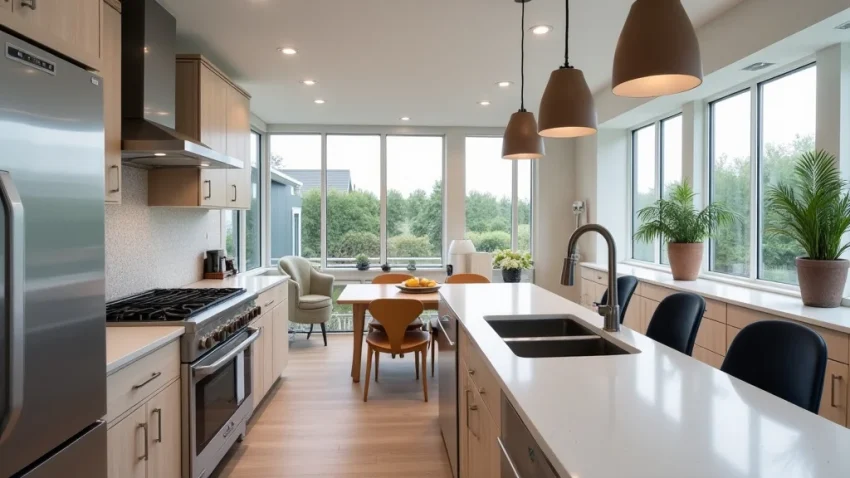
Imagine walking into your kitchen, and instead of seeing the same old stainless steel box, you’re greeted by a vibrant retro-styled refrigerator or a sleek toaster with a unique design. That’s the power of decorative appliances. They transform everyday kitchen tools into functional art pieces.
This post will guide you through selecting and styling these beautiful additions to your home. You’ll learn how to enhance your kitchen’s aesthetic and make it a space you truly love spending time in.
Key Takeaways
- Decorative appliances blend functionality with aesthetic appeal.
- Choosing the right style can significantly impact your kitchen’s overall look and feel.
- Materials and finishes play a crucial role in the longevity and visual impact of these items.
- Integrating decorative appliances involves considering color schemes and existing decor.
- Care and maintenance ensure these stylish pieces remain beautiful for years.
Enhancing Kitchen Aesthetics With Decorative Appliances
What Are Decorative Appliances?
Decorative appliances are kitchen and home devices that go beyond basic functionality to offer significant aesthetic appeal. Unlike standard, utilitarian models, these items are designed with style and visual impact in mind. They often feature unique shapes, vibrant colors, premium materials, and innovative finishes.
Think of a classic red stand mixer that becomes a centerpiece on your counter, or a vintage-inspired kettle that adds charm to your morning routine.
These appliances are not just about looks; they perform the same tasks as their more conventional counterparts. However, their design intent is to complement or elevate the surrounding decor. They can transform a plain kitchen into a personalized and visually engaging space.
Many people choose them to express their individual style and create a more inviting atmosphere.
- Design Focus: These appliances prioritize aesthetics, featuring unique colors, patterns, and forms.
- Functional Art: They serve a practical purpose while also acting as decorative elements.
- Personalization: They allow homeowners to express their personal taste and create a signature look.
- Statement Pieces: Often, a single decorative appliance can become the focal point of a room.
The Impact of Style Choices
The style of your decorative appliances can dramatically alter the mood and character of your kitchen. Modern kitchens might benefit from sleek, minimalist designs with clean lines and metallic finishes. Conversely, a farmhouse-style kitchen could be enhanced by appliances with a vintage look, matte finishes, and warm color palettes.
Consider the overall theme you want to achieve. Are you aiming for a sophisticated, contemporary feel, or a cozy, rustic charm? The choices you make here will guide your selection.
For instance, a high-gloss finish on a blender might suit a modern setup, while a patterned ceramic toaster would fit perfectly in a more eclectic or traditional space.
- Modern Aesthetic: Characterized by clean lines, metallic finishes (chrome, stainless steel), and often black, white, or gray colors. Think of a matte black espresso machine or a brushed nickel toaster.
- Retro Charm: Evokes a nostalgic feel, often seen in designs inspired by the 1950s and 60s. This includes pastel colors (mint green, baby blue, pale pink), rounded shapes, and chrome accents. A classic red or turquoise refrigerator is a prime example.
- Industrial Look: Features exposed elements, raw materials like brushed metal or concrete textures, and a utilitarian appeal. Appliances with a dark gray or metallic finish, perhaps with visible screws or hardware, fit this style.
- Rustic/Farmhouse Style: Embraces natural materials, warm colors, and a sense of comfort. Matte finishes, earthy tones (cream, beige, sage green), and sometimes subtle floral or checkered patterns are common. An enamel-coated kettle or a cream-colored stand mixer can work well here.
Materials and Finishes
The materials and finishes used in decorative appliances are key to their look, feel, and durability. Stainless steel remains popular for its sleek, modern appearance and resistance to fingerprints. However, other finishes are gaining traction.
Matte finishes offer a sophisticated, non-reflective surface that can add depth and texture. High-gloss finishes provide a sleek, contemporary look that’s easy to clean but can show smudges.
Ceramics, enamel, and even wood accents can be incorporated into appliance designs, offering warmth and a unique tactile quality. For example, a kettle with a wooden handle or a toaster with ceramic side panels can add a touch of natural elegance. When selecting, consider how these materials will integrate with your countertops, cabinetry, and other kitchen elements.
- Stainless Steel: Durable, easy to clean, and offers a timeless, modern look. It’s resistant to rust and corrosion.
- Matte Finishes: Provide a sophisticated, modern, and often fingerprint-resistant surface. Popular colors include matte black, navy, and olive green.
- High-Gloss Finishes: Reflect light and give a sleek, contemporary appearance. They are very easy to wipe clean but can show fingerprints and scratches more readily.
- Enamel Coating: Often used on retro-style appliances, it provides a smooth, durable, and colorful finish that is resistant to chipping and fading.
- Ceramic and Wood Accents: Add natural texture and warmth, elevating the appliance from purely functional to an art piece.
Integrating Decorative Appliances Into Your Kitchen Design
Color Coordination Strategies
Color is a powerful tool in interior design, and it’s no different when it comes to decorative appliances. You have several options for incorporating color. One approach is to choose appliances that match your existing color scheme, acting as a seamless extension of your decor.
For instance, if your kitchen features blue cabinets, a navy blue stand mixer would create a cohesive look.
Another effective strategy is to use your decorative appliances as a pop of contrasting color. This can add excitement and visual interest to an otherwise neutral kitchen. Imagine a vibrant yellow toaster on a white countertop, or a bright red kettle against gray cabinetry.
This approach allows the appliance to become a focal point, drawing the eye and adding personality to the space.
- Complementary Colors: Choose appliance colors that harmonize with your cabinets, walls, or backsplash. For a soft look, use analogous colors. For a bolder statement, use complementary colors.
- Monochromatic Scheme: Select appliances in different shades of the same color for a sophisticated and unified appearance. A kitchen with various gray tones can look very chic with a charcoal gray blender.
- Accent Colors: Use appliances to introduce a bright, bold color that contrasts with the main palette of your kitchen. This is a great way to add energy and personality.
- Neutral Tones: Opt for classic neutrals like white, black, cream, or stainless steel for a timeless and versatile look that easily adapts to changing decor.
Creating a Focal Point
Decorative appliances are perfect for creating a focal point in your kitchen. This is an area of your room that naturally draws attention. A large, brightly colored retro refrigerator can instantly become the star of the show, dictating the surrounding design choices.
Similarly, a beautifully designed coffee maker or a set of matching colorful blenders can anchor a specific area, such as a breakfast nook or a coffee station.
The key to using appliances as focal points is to ensure they stand out without overwhelming the space. Consider the scale of the appliance relative to your kitchen. A visually striking appliance works best when it has enough breathing room and is placed in a visible, accessible location.
This ensures it’s not only seen but also appreciated for its design.
- Strategic Placement: Position your statement appliance where it will be seen immediately upon entering the kitchen. This could be on a prominent countertop or as a standalone unit.
- Balancing the Space: If you have a very bold appliance, balance it with simpler, less visually busy elements in the rest of the kitchen.
- Grouping Similar Items: Displaying a set of matching decorative appliances, like a toaster and kettle in the same color and style, can create a more significant visual impact.
- Lighting Considerations: Ensure the area around your focal appliance is well-lit, perhaps with under-cabinet lighting or a spotlight, to highlight its design.
Mixing and Matching Styles
While cohesiveness is important, mixing and matching decorative appliance styles can create a unique and personalized kitchen. The trick is to do it intentionally. You might pair a modern, sleek stand mixer with a vintage-inspired coffee grinder, for example.
The common thread here is often a shared color palette or material, even if the designs are different.
Another way to mix styles is to let one appliance be the dominant decorative element and keep others more understated. For instance, a bold, patterned toaster can be paired with a simple, single-color blender. This creates visual interest without making the kitchen look chaotic.
The goal is to achieve an eclectic yet harmonious look.
- Shared Color Palette: Select appliances that share at least one dominant color. A navy blue stand mixer and a navy blue kettle will visually connect, even if their designs differ.
- Material Consistency: If you have appliances with wood accents, try to find another with a similar wood tone. Chrome details can also be a linking element.
- Dominant vs. Supporting Roles: Designate one appliance as the star and choose others in more neutral or subdued styles to support it.
- Balance of Shapes: Pair appliances with different shapes to create visual dynamics. A rounded retro toaster can look interesting next to a square, modern blender.
Popular Types of Decorative Appliances
Refrigerators
Refrigerators are often the largest appliance in a kitchen, making them a prime candidate for a decorative statement. Retro-style refrigerators, with their rounded corners, vibrant color options (like cherry red, turquoise, or mint green), and chrome accents, are incredibly popular. They instantly evoke a sense of nostalgia and charm.
Beyond retro styles, modern refrigerators can also be decorative. Custom panel-ready refrigerators that blend seamlessly with cabinetry are a sophisticated choice. Others feature unique finishes, like brushed bronze or matte black stainless steel, offering a high-end, contemporary look.
Some even come with integrated screens or customizable display panels.
- Retro Refrigerators: Offer bold colors, rounded designs, and chrome details, reminiscent of mid-century styles. Brands like Smeg and Big Chill are well-known for these.
- Panel-Ready Refrigerators: Designed to accept custom cabinet panels, allowing them to blend perfectly with your kitchen’s cabinetry for a seamless look.
- Artisan Stainless Steel: Features unique finishes beyond standard brushed steel, such as hammered copper, matte black, or colored stainless steel, providing a luxurious feel.
- Smart Refrigerators: While primarily functional, some smart refrigerators have sleek touchscreens and customizable interfaces that can add a modern, high-tech aesthetic.
Toasters and Toaster Ovens
These countertop essentials have come a long way from basic chrome boxes. Decorative toasters are available in a dazzling array of colors, patterns, and finishes. You can find them with intricate embossed designs, vintage-inspired levers, or even in charming pastel shades that complement a retro kitchen.
Toaster ovens, which offer more versatility, also come in stylish designs, from compact, colorful models to sleek, modern units with digital displays.
The beauty of decorative toasters and toaster ovens is their accessibility. They are relatively inexpensive and easy to swap out, allowing you to update your kitchen’s look without a major renovation. A bright red toaster can add a cheerful touch to an otherwise understated counter space, or a copper-finished toaster can bring a touch of warmth and elegance.
- Color Variety: Available in almost every color imaginable, from classic black and white to bold reds, blues, and yellows, as well as soft pastels.
- Patterned Designs: Some toasters feature subtle or bold patterns, like polka dots, floral motifs, or geometric shapes, adding personality.
- Material Options: Beyond stainless steel, look for brushed finishes, matte coatings, and even ceramic or patterned exteriors.
- Functionality Meets Style: Many decorative models offer advanced features like bagel settings, defrost functions, and wider slots, all within an attractive package.
Stand Mixers and Blenders
Stand mixers, in particular, have become iconic decorative pieces. Brands like KitchenAid are renowned for their wide range of colors and finishes, allowing them to act as functional sculptures on the kitchen counter. From vibrant hues like lime green and bright pink to sophisticated metallics and muted earth tones, a stand mixer can be chosen to perfectly match or contrast with your kitchen decor.
Decorative blenders also add style. Whether it’s a powerful, sleek glass blender with a stainless steel base or a compact, colorful personal blender, these appliances can enhance the look of your countertop. Some blenders feature unique jar shapes or lid designs that contribute to their aesthetic appeal, making them more than just a kitchen tool.
- Iconic Designs: The distinctive shape of many stand mixers makes them instantly recognizable and aesthetically pleasing.
- Extensive Color Palettes: Particularly for stand mixers, manufacturers offer a vast selection of colors, from bold and bright to subtle and sophisticated.
- Material Finishes: Look for options beyond standard plastic, such as all-metal constructions, brushed finishes, or glossy lacquered exteriors.
- Multi-functional Appeal: Many decorative mixers and blenders come with various attachments or speed settings, enhancing their practical value while maintaining their style.
Kettles and Coffee Makers
These morning essentials are often small but can have a significant impact on your kitchen’s visual appeal. Decorative kettles come in all shapes and sizes, from classic stovetop models with elegant spouts to modern electric kettles with LED indicators and sleek metallic finishes. Electric kettles, in particular, are available in a wide range of colors and styles, from retro rounded designs to minimalist, angular forms.
Coffee makers, too, can be decorative. Espresso machines, for instance, are often designed with a strong aesthetic, featuring polished chrome, rich black finishes, and intuitive controls. Drip coffee makers are also available in stylish designs, with glass carafes and brushed metal accents that can elevate your coffee brewing experience.
Choosing one that matches your kitchen’s theme can add a finishing touch to your countertop.
- Stovetop Elegance: Classic whistling kettles can be beautiful pieces, often featuring polished stainless steel or vibrant enamel finishes.
- Modern Electric Kettles: Offer sleek designs, temperature control, and various color options to match contemporary kitchens.
- Espresso Machine Designs: Many espresso machines are designed as statement pieces with premium materials and sophisticated controls.
- Specialty Coffee Makers: From pour-over devices with unique ceramic drippers to French presses with glass and wood, these can add artisanal charm.
Caring for Your Decorative Appliances
Routine Cleaning and Maintenance
To keep your decorative appliances looking their best, regular cleaning is essential. For most appliances, a soft, damp cloth is usually sufficient for wiping down surfaces. Avoid abrasive cleaners or scrub brushes, as these can scratch or damage finishes, especially on matte or high-gloss surfaces.
For stainless steel appliances, use a cleaner specifically designed for stainless steel, wiping in the direction of the grain to prevent streaks. For painted or enamel surfaces, mild dish soap mixed with water can be effective. Always unplug appliances before cleaning, and ensure they are completely dry before plugging them back in.
Pay attention to small details like knobs, handles, and vents, which can accumulate dust and grime.
- Daily Wipe-Down: Make it a habit to wipe down surfaces after each use to prevent food particles and grease from hardening.
- Specific Cleaners: Use cleaners recommended for the specific material of your appliance (e.g., stainless steel cleaner, glass cleaner).
- Avoid Harsh Abrasives: Never use steel wool, abrasive pads, or harsh chemicals, as they can damage the finish and appearance.
- Component Cleaning: For appliances like blenders or stand mixers, disassemble removable parts (like bowls, blades, or attachments) and clean them thoroughly according to the manufacturer’s instructions.
Preserving Finishes and Colors
The longevity of your decorative appliance’s appearance depends heavily on how you treat its finish. Direct sunlight can cause colors to fade over time, so try to position appliances away from windows if they are particularly vibrant or have delicate hues.
Heat can also affect certain finishes. For example, avoid placing appliances directly next to heat sources like ovens or stovetops if they are not designed for high temperatures. When cooking, be mindful of splatters, especially from oil or acidic foods, which can stain or etch certain surfaces.
Promptly wiping these away will help maintain the pristine look of your appliance.
- Sunlight Protection: Minimize direct exposure to prolonged sunlight, especially for appliances with bright or pastel colors, to prevent fading.
- Heat Management: Keep appliances away from excessive heat sources to prevent discoloration or damage to their materials.
- Food Stain Prevention: Clean up food spills and splatters, particularly those from acidic or oily substances, as soon as possible to avoid staining or etching.
- Polishing and Protection: Consider using appliance polish designed for specific materials (like stainless steel polish) to enhance shine and add a protective layer.
Troubleshooting Common Issues
Even with careful maintenance, you might encounter minor issues. For example, a matte finish might develop a slight sheen from excessive rubbing, or a retro appliance might develop a small chip in its enamel. In such cases, consult the manufacturer’s manual for specific repair or touch-up advice.
Minor scratches on stainless steel can sometimes be buffed out using specialized kits. For painted surfaces, touch-up paint might be available, though matching the exact shade can be challenging. For electrical issues, always refer to a qualified technician rather than attempting repairs yourself.
Understanding the warranty information can also be very helpful.
- Minor Scratches: For stainless steel, specific polishing compounds can sometimes minimize the appearance of light scratches.
- Chipped Enamel: Small chips on enamel can often be repaired with touch-up paint kits specifically designed for appliances.
- Discoloration: If discoloration occurs due to heat or sun, it may be permanent, highlighting the importance of preventative care.
- Electrical Malfunctions: Always consult the user manual for troubleshooting basic electrical problems. For significant issues, contact the manufacturer or a qualified repair service.
Common Myths Debunked
Myth 1: Decorative appliances are only for show and lack performance
This is a common misconception. While decorative appliances are designed with aesthetics in mind, they are built to perform just as well, if not better, than their standard counterparts. Manufacturers understand that consumers want both style and substance.
Many decorative appliances incorporate the latest technology and high-quality components to ensure excellent functionality and durability.
Myth 2: They are too expensive for the average consumer
While some high-end decorative appliances can be an investment, there are many stylish options available at various price points. Brands now offer a wide range of decorative appliances, from budget-friendly to luxury, making it possible for most people to find something that fits their style and budget. The perceived higher cost is often offset by the added value of design and the appliance’s role as a decor element.
Myth 3: Decorative appliances are difficult to maintain
The maintenance of decorative appliances is generally comparable to standard appliances. While some premium finishes might require specific care, most are designed for everyday use. Routine cleaning with mild soap and water, or specific cleaners for materials like stainless steel, is usually sufficient.
The key is to follow the manufacturer’s care instructions.
Myth 4: You have to sacrifice functionality for style
This is rarely the case today. Appliance manufacturers are increasingly focused on integrating advanced features and superior performance into their stylish designs. You can find decorative blenders with powerful motors, toasters with multiple browning settings, and refrigerators with innovative cooling systems, all wrapped in an attractive package.
The trend is towards appliances that are both beautiful and highly capable.
Frequently Asked Questions
Question: Can I mix and match decorative appliances from different brands?
Answer: Yes, you absolutely can mix and match decorative appliances from different brands. The key is to ensure they complement each other through color, material, or overall style. For example, you could pair a colorful stand mixer from one brand with a sleek metallic toaster from another, as long as the elements visually connect.
Question: How do I choose the right color for my decorative appliance?
Answer: Consider your kitchen’s existing color scheme. You can choose an appliance that matches your cabinets or walls for a cohesive look, or opt for a contrasting color to create a focal point. Think about the overall mood you want to create – bright colors add energy, while muted tones offer sophistication.
Question: Are retro-style appliances durable?
Answer: Many retro-style appliances are built with durability in mind, often using robust materials like metal and enamel. While they feature a vintage aesthetic, they typically incorporate modern internal components and technology, ensuring reliable performance and longevity.
Question: What is the best way to clean a matte finish appliance?
Answer: For matte finish appliances, it’s best to use a soft, damp cloth with a mild, non-abrasive cleaner. Wipe gently, following the direction of the finish if possible. Avoid harsh chemicals or excessive scrubbing, as these can damage the matte coating and leave it with a sheen.
Question: Can decorative appliances increase the value of my home?
Answer: While not a primary driver of home value, stylish and well-maintained decorative appliances can contribute to a more appealing kitchen aesthetic. This can make your home more attractive to potential buyers by showcasing a well-thought-out and updated living space.
Conclusion
Decorative appliances offer a fantastic way to infuse personality and style into your kitchen. They are more than just tools; they are design elements that elevate your space. By carefully selecting colors, materials, and styles that match your vision, you can create a kitchen that is both functional and beautiful.
Embrace these stylish additions to make your kitchen a place you truly love.