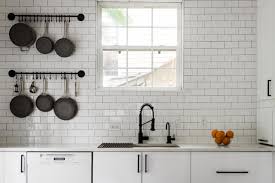
Planning a kitchen remodel often brings up questions about costs. One of the most visible and impactful choices is the backsplash. You might be wondering about the kitchen backsplash tile price, and how it can fit into your budget.
This guide will break down what influences the cost and help you make informed decisions for your dream kitchen without the sticker shock.
Key Takeaways
- Understand the wide range of kitchen backsplash tile prices.
- Learn about different materials and their cost implications.
- Discover factors like installation and design that affect the final price.
- Get tips on how to save money without sacrificing style.
- Be prepared to budget effectively for your backsplash project.
Understanding Kitchen Backsplash Tile Price Factors
The cost of a kitchen backsplash tile price can vary significantly. Many things play a role in how much you will spend. It’s not just about the tile itself.
Think about the materials, the size of your kitchen, and any special designs you want. Understanding these elements helps you estimate your budget accurately.
A backsplash protects your kitchen walls from splashes and stains. It also adds a lot of style to your cooking space. Because it’s such a prominent feature, its cost is a big part of many kitchen renovation budgets.
Getting a clear picture of these costs early on prevents surprises later.
Material Matters for Tile Costs
The type of material you choose for your backsplash is the biggest factor in its price. Some materials are naturally more expensive than others. This is due to their rarity, how they are made, and how durable they are.
Ceramic and Porcelain Tiles
Ceramic and porcelain tiles are very popular. They are budget-friendly options. Ceramic tiles are made from clay and are fired in a kiln.
They are easy to cut and install. Porcelain tiles are a denser, harder type of ceramic. They are more durable and water-resistant.
- Cost Range: Typically $2 to $25 per square foot.
- Pros: Wide variety of colors, patterns, and finishes. Easy to clean and maintain. Good for DIY projects.
- Cons: Ceramic can chip more easily than porcelain. Some designs may look less luxurious than natural stone.
For example, a simple subway tile in ceramic might cost as little as $2 per square foot. A highly decorative, textured porcelain tile could reach $25 per square foot. The manufacturing process for porcelain is more intensive, making it slightly pricier but also stronger.
Natural Stone Tiles
Natural stone tiles like marble, granite, travertine, and slate offer a luxurious look. They are also very durable. However, they come with a higher price tag.
Each stone is unique, adding to its appeal but also its cost.
- Cost Range: Generally $5 to $50+ per square foot.
- Pros: Timeless beauty, adds significant value to a home. Unique patterns and colors. Very durable.
- Cons: Can be porous and require sealing to prevent stains. Heavier and harder to install. Can be prone to etching or chipping with harsh cleaners.
Marble, for instance, is known for its elegant veining but can be prone to staining and etching. Granite is very hard and resistant to heat and stains. Travertine has a natural, rustic look and is often more affordable than marble or granite.
Slate offers a dark, dramatic appearance.
Glass Tiles
Glass tiles can add sparkle and light to your kitchen. They come in many colors, finishes, and shapes. Glass can be translucent, opaque, or iridescent.
This variety offers a lot of design flexibility.
- Cost Range: Usually $7 to $30 per square foot.
- Pros: Reflects light, making spaces feel brighter. Easy to clean. Modern and elegant look.
- Cons: Can be more fragile than stone or ceramic. Installation requires precision to avoid breakage. Some types can show water spots easily.
A simple glass subway tile might be around $7 per square foot. Hand-blown or custom-designed glass tiles can cost upwards of $30 per square foot. The manufacturing process, especially for custom pieces, significantly drives up the price.
Metal Tiles
Metal tiles, such as stainless steel, copper, or aluminum, provide a modern and industrial feel. They are durable and easy to clean. These tiles are often used as accent pieces or for a full modern backsplash.
- Cost Range: Typically $10 to $40 per square foot.
- Pros: Very durable, stain-resistant, and easy to clean. Unique contemporary look.
- Cons: Can show fingerprints and smudges easily. May scratch under certain conditions. Installation can be trickier than standard tiles.
Stainless steel tiles are a popular choice for their clean look. Copper tiles can develop a patina over time, offering a unique aged aesthetic. The cost depends on the type of metal and the finish applied.
Other Materials
Other materials like natural stone mosaics, concrete tiles, or even recycled materials can also be used. Mosaics, which are small tiles arranged in patterns, can be more expensive due to the labor involved in their creation. Concrete tiles offer an industrial charm and can be quite durable but may require sealing.
Real-Life Example: Budgeting for Marble vs. Ceramic
Imagine you have a 30 square foot backsplash area. If you choose a ceramic subway tile at $3 per square foot, the tile cost would be $90. If you opt for a marble mosaic at $20 per square foot, the tile cost would be $600.
This clearly shows how material choice impacts the overall kitchen backsplash tile price.
Size of Your Kitchen Area
The total cost of your backsplash is directly related to the square footage you need to cover. A larger kitchen with a more extensive backsplash area will naturally cost more, regardless of the tile chosen. It’s important to measure your space accurately.
- Measurement: Measure the height and width of the area you want to tile.
- Calculation: Multiply height by width to get the square footage.
- Waste Factor: Always add 10-15% to your total for cuts, mistakes, and future repairs.
For instance, a standard 4-foot by 6-foot backsplash area is 24 square feet. Adding a 10% waste factor brings it to about 26.4 square feet. This simple calculation ensures you order enough material.
For a complexly shaped area with many cabinets and outlets, you might need a higher waste factor.
Sample Scenario: Small vs. Large Kitchen
Consider two kitchens: one with a small 15 square foot backsplash behind the stove, and another with a 40 square foot backsplash covering the entire counter area. Even with the same $10 per square foot tile, the first will cost $150 (plus waste), while the second will cost $400 (plus waste). The kitchen backsplash tile price scales with the project size.
Design and Pattern Complexity
The way tiles are laid out, known as the pattern, also affects the cost. Simple patterns are less labor-intensive and therefore cheaper. Complex patterns require more time, skill, and often result in more wasted material, increasing the overall kitchen backsplash tile price.
Common Patterns and Their Impact
- Stack Bond: Tiles are laid in a simple grid pattern. This is the most cost-effective and easiest to install.
- Running Bond (Brick Lay): Tiles are offset, similar to bricks. This is still relatively simple and common.
- Herringbone: Tiles are laid in a V-shape pattern. This requires more cuts and careful alignment, increasing labor costs.
- Chevron: Similar to herringbone but with angled cuts that form a continuous V. This is one of the most labor-intensive patterns.
- Custom Mosaics: Intricate designs made from small pieces of tile. These are typically the most expensive due to design and installation labor.
A herringbone pattern, for example, demands precise cuts at every turn. This means more time spent by the installer and a higher chance of breakage, directly increasing the kitchen backsplash tile price compared to a simple stack bond.
Labor Costs for Installation
The cost of hiring a professional installer is a significant part of the total expense. The complexity of the tile, the pattern, and the condition of your walls will influence labor rates. Some installers charge by the hour, while others charge by the square foot.
- Average Installation Cost: Can range from $10 to $40+ per square foot, depending on the factors mentioned.
- DIY Savings: Doing the installation yourself can save substantially, but requires time, tools, and skill.
- Factors Affecting Labor: Intricate patterns, removal of old backsplashes, uneven walls, and the need for waterproofing all add to the cost.
For a 30 square foot area, professional installation at $25 per square foot would add $750 to your budget. If you’re comfortable with DIY, you can avoid this cost, but be sure to factor in the cost of tools and materials like adhesive, grout, and sealers.
Additional Costs to Consider
Beyond the tiles and installation, there are other costs that contribute to the overall kitchen backsplash tile price. These are often overlooked but are crucial for a complete project.
Tools and Supplies for DIY Installation
If you decide to tackle the project yourself, you’ll need to purchase or rent tools. This includes tile cutters (wet saw for tougher materials), notched trowels for adhesive, grout floats, spacers, buckets, and safety gear. You’ll also need tile adhesive, grout, and potentially a sealer.
- Basic Tool Kit: Can cost $100-$300.
- Adhesive & Grout: $20-$50 for a typical project.
- Sealer: $15-$30, especially important for porous natural stones.
The cost of these supplies can add up. A good quality wet saw, for example, can be a significant investment if you don’t have one already. Renting might be a more economical option for a single project.
Edge Finishing and Trim Pieces
The edges of your backsplash, especially where it meets a countertop or cabinet, need a finished look. This can involve special trim pieces, bullnose tiles, or schluter profiles. These finishing touches add to the overall material cost.
A simple bullnose edge tile might add $2-$5 per linear foot. More elaborate metal or stone trim pieces can cost $10-$20 per linear foot. These small details contribute to a professional and polished final appearance.
Removing Old Backsplash
If you have an existing backsplash, you’ll need to remove it. This can be a dusty and labor-intensive process. The cost of removal can vary depending on the material of the old backsplash and how well it was installed.
- DIY Removal: Can be time-consuming and messy.
- Professional Removal: May cost $100-$300 or more, depending on the size and difficulty.
Older tiles might be adhered with very strong mortar, making them difficult to pry off. This can require extra effort and potentially damage the underlying drywall, leading to further repair costs.
Sealing and Grouting
Most tile installations require grout to fill the gaps between tiles. Natural stone and some ceramic tiles also benefit from sealing to protect against stains and moisture. The cost of grout and sealer is typically modest but essential for durability and aesthetics.
High-quality grout and sealers can improve the longevity of your backsplash and make it easier to maintain. For porous stones like marble or travertine, regular sealing is a must.
Average Kitchen Backsplash Tile Price Breakdown
To give you a clearer picture, let’s look at some average price ranges. Remember, these are estimates and can fluctuate based on your specific choices and location.
Budget-Friendly Options
For those on a tight budget, focusing on ceramic or porcelain tiles is key. Simple designs and patterns will keep costs down.
- Tile Cost: $2 – $10 per square foot.
- Installation Cost: $10 – $25 per square foot.
- Total Estimated Cost: $12 – $35 per square foot.
This range is achievable with basic ceramic subway tiles or simple porcelain squares. DIY installation can push the total towards the lower end of this spectrum.
Mid-Range Options
In the mid-range, you can explore higher-quality porcelain, some glass tiles, or more affordable natural stones like travertine.
- Tile Cost: $10 – $30 per square foot.
- Installation Cost: $20 – $35 per square foot.
- Total Estimated Cost: $30 – $65 per square foot.
This allows for more design variety, such as textured tiles, mixed materials, or slightly more intricate patterns. Professional installation is often included in this range.
High-End Options
For a luxurious look, natural stones like marble and granite, premium glass tiles, or intricate mosaics fall into this category.
- Tile Cost: $30 – $75+ per square foot.
- Installation Cost: $25 – $40+ per square foot.
- Total Estimated Cost: $55 – $115+ per square foot.
This price point reflects the beauty, durability, and uniqueness of premium materials. Complex designs and custom installations will push costs higher.
Table: Average Kitchen Backsplash Tile Price Comparison
| Material Type | Average Tile Cost (per sq ft) | Average Installation Cost (per sq ft) | Estimated Total Cost (per sq ft) |
|---|---|---|---|
| Ceramic/Porcelain (Basic) | $2 – $10 | $10 – $25 | $12 – $35 |
| Glass/Travertine | $7 – $25 | $15 – $30 | $22 – $55 |
| Marble/Granite | $15 – $50+ | $20 – $40+ | $35 – $90+ |
| Metal/Premium Glass | $10 – $40+ | $20 – $35 | $30 – $75+ |
This table provides a quick reference for comparing different material types and their associated costs. It helps in quickly understanding the potential range for your kitchen backsplash tile price.
Statistics on Kitchen Backsplash Costs
According to a recent survey by HomeAdvisor, the average cost for a kitchen backsplash installation ranges from $600 to $1,500. This includes both materials and labor. The national average spent on a kitchen backsplash project was found to be around $900.
These figures highlight that while the kitchen backsplash tile price is a major component, labor and other associated costs are also significant. A backsplash project can be a substantial investment in your kitchen’s overall look and feel.
How to Save on Your Kitchen Backsplash Tile Price
Achieving a beautiful kitchen backsplash doesn’t always mean breaking the bank. There are several smart ways to reduce costs without compromising on style or quality.
Smart Shopping Strategies
Finding deals and shopping wisely can lead to significant savings on your tile purchase.
- Buy During Sales: Many tile retailers have seasonal sales, holiday promotions, or clearance events. Keep an eye out for these opportunities.
- Shop Off-Season: Sometimes, prices can be lower during less popular renovation times.
- Look for Overstock or Discontinued Items: Tile stores often sell off remaining stock at a discount. You might find a perfect tile at a fraction of its original cost.
- Compare Prices: Don’t buy from the first store you visit. Compare prices from different retailers, both online and in physical stores.
For example, buying a slightly less popular color of a popular ceramic tile might save you a few dollars per square foot, which adds up for a large area. Waiting for a Memorial Day or Labor Day sale can also yield substantial discounts.
DIY Installation
As mentioned earlier, doing the installation yourself is one of the most effective ways to cut down on costs. If you’re handy, this can save you hundreds or even thousands of dollars in labor fees.
- Learn the Basics: Watch tutorials, read guides, and understand the process before you start.
- Invest in Basic Tools: If you don’t have them, consider renting specialized tools like a wet saw or purchasing an affordable starter kit.
- Start Small: If you’re a beginner, choose a simpler tile and pattern for your first project.
A DIY installation of a 30 square foot backsplash could save you $750 or more in labor costs alone, making the overall kitchen backsplash tile price much more manageable.
Consider Alternatives and Accents
You don’t always need expensive materials for the entire backsplash. Consider using budget-friendly tiles for most of the area and adding accent pieces.
- Use a Budget Tile as the Base: Opt for an affordable ceramic or porcelain tile for the main backsplash area.
- Add Accent Strips: Incorporate a decorative mosaic or a strip of more expensive tile along the top or in the middle for a high-impact look without high cost.
- Focus on Hardware: Sometimes, updating cabinet hardware can dramatically change the kitchen’s look and make a simpler backsplash shine.
A simple white subway tile is very cost-effective. You could then add a line of glass mosaic tile just above the stove for a pop of color and texture, significantly enhancing the visual appeal without a huge increase in the kitchen backsplash tile price.
Negotiate and Ask for Quotes
Don’t be afraid to negotiate, especially when buying materials in bulk or if you’re getting quotes from multiple installers. Always get written quotes that detail all costs involved.
- Installer Quotes: Get at least three quotes from different contractors.
- Material Bundles: Ask tile stores if they offer discounts for purchasing a large quantity of tile, adhesive, and grout.
- Ask for Referrals: Good contractors might be willing to offer competitive pricing to secure your business.
A contractor might be willing to reduce their per-square-foot labor rate if you’re purchasing all your materials through their supplier, or if you’re a repeat customer.
Common Myths Debunked
Myth 1: All natural stone backsplashes are extremely expensive.
While some natural stones like high-grade marble or exotic granites are very costly, others, such as travertine or certain types of slate, can be relatively affordable. Their price can be comparable to some mid-range porcelain tiles. The key is to research different stone types and their price points.
Myth 2: DIY backsplash installation is too difficult for beginners.
While it requires patience and some basic skills, many DIYers successfully install backsplashes. Simple tile types like ceramic subway tiles and basic patterns like a stack bond are very beginner-friendly. Plenty of online resources and tutorials are available to guide you through the process.
Myth 3: You must use expensive tiles to make your kitchen look high-end.
A well-chosen, budget-friendly tile can look just as sophisticated as an expensive one, especially when paired with complementary features. Simple ceramic subway tiles, for instance, have a timeless appeal and can make a kitchen look clean and modern. The overall design, cabinet hardware, and countertop choices play a huge role in the kitchen’s aesthetic.
Myth 4: Installation costs are always fixed and cannot be negotiated.
While installers often have standard rates, there can be room for negotiation, especially for larger projects or if you are a repeat customer. It’s always worth discussing your budget and getting multiple quotes to ensure you’re getting a fair price for your kitchen backsplash tile price and installation.
Frequently Asked Questions
Question: How much should I budget for a kitchen backsplash?
Answer: A general budget can range from $200 to $1,500 for a standard backsplash, depending heavily on material choice, size, and whether you hire a professional or DIY.
Question: Are subway tiles a good budget option for a backsplash?
Answer: Yes, ceramic or porcelain subway tiles are among the most affordable and popular choices, offering great value and a classic look.
Question: Does backsplash installation require special tools?
Answer: Basic installations require tools like a tile cutter, trowel, and grout float. More complex tiles or patterns might need specialized equipment like a wet saw.
Question: How do I calculate how much tile I need?
Answer: Measure the area in square feet and add 10-15% for cuts, mistakes, and future repairs.
Question: Can I install a backsplash over existing tile?
Answer: In some cases, yes, but it depends on the existing tile’s condition and the new tile’s weight. It’s often best to remove old tile for a secure and level installation.
Conclusion
Choosing the right backsplash tile involves balancing cost, durability, and style. Understanding the kitchen backsplash tile price factors helps you plan your budget effectively. From ceramic to natural stone, each material offers a unique aesthetic and price point.
Consider your budget, desired look, and willingness to DIY to find the perfect fit for your kitchen.