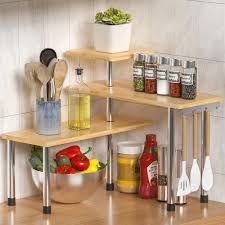
Finding the right storage for your kitchen can be a challenge. You might be staring at that awkward corner and wondering how to make it work for you. A kitchen corner shelf can transform that unused space into a functional and stylish area. But when you start looking, you’ll quickly see a wide range of options. This post will help you understand the factors influencing the kitchen corner shelf price, what to expect, and how to find the best value for your needs. We’ll break down the costs so you can make an informed decision without any confusion.
Key Takeaways
- Different materials significantly impact kitchen corner shelf price.
- Size and design complexity affect the overall cost.
- Brand reputation and where you buy a shelf play a role in pricing.
- Installation costs can add to the total expense.
- DIY options can lower the kitchen corner shelf price considerably.
- Look for sales and compare prices to get the best deal.
Factors Influencing Kitchen Corner Shelf Price
The cost of a kitchen corner shelf is not a single fixed number. Many elements come into play, shaping the final price you see. Understanding these factors will help you budget effectively and choose a shelf that fits both your space and your wallet. From the materials used to the intricate details of the design, each aspect contributes to its value.
Material Matters for Kitchen Corner Shelf Price
The material of your kitchen corner shelf is one of the biggest determinants of its price. Wood, metal, glass, and plastic all have different cost structures.
Wood Shelving
Wood is a popular choice for kitchen shelves due to its warmth and versatility. The type of wood used will greatly affect the kitchen corner shelf price.
- Pine: This is a softer wood, generally less expensive, and easier to work with. It can be painted or stained. Pine shelves are a good budget-friendly option.
- Oak: A hardwood, oak is more durable and has a beautiful grain. It costs more than pine but offers a more premium look and feel.
- Maple: Similar to oak in hardness and durability, maple has a smoother grain pattern. It’s also a mid-to-high range option for kitchen corner shelves.
- Engineered Wood (MDF/Particleboard): These composite materials are often covered with veneers to mimic real wood. They are the most affordable wood-based options but are less durable and susceptible to moisture damage.
The price for a simple pine corner shelf might start around $20-$40, while an oak or maple shelf could range from $50-$150 or more, depending on the size and finish.
Metal Shelving
Metal corner shelves offer a modern and industrial look. They are known for their strength and durability.
- Steel: Stainless steel is very durable, rust-resistant, and easy to clean, making it excellent for kitchens. It tends to be on the pricier side. Powder-coated steel offers color options and can be more affordable than stainless steel.
- Iron: Wrought iron can add a decorative, classic touch. It’s sturdy but can be heavy and may require sealing to prevent rust.
- Aluminum: Lighter than steel or iron, aluminum is also resistant to rust. It’s a good option for a sleek, contemporary look and is often moderately priced.
A basic metal corner shelf could cost between $30-$80. More elaborate designs or those made from high-quality stainless steel can go up to $100-$200.
Glass Shelving
Glass corner shelves provide an airy, minimalist feel. They can make a small kitchen feel larger.
- Tempered Glass: This is a safety glass that is much stronger than regular glass and breaks into small, blunt pieces if shattered, reducing injury risk. It’s the standard for most glass shelves.
- Acrylic/Plexiglass: Lighter and less prone to breaking than glass, acrylic is also more affordable. However, it scratches more easily.
Glass corner shelves typically range from $40-$120. The thickness of the glass and the type of mounting hardware will influence the price.
Plastic/Composite Shelving
Plastic shelves are usually the most budget-friendly option. They are lightweight, easy to clean, and often water-resistant.
- ABS Plastic: Durable and impact-resistant, ABS is common for utility shelves.
- PVC: Often used for shower shelves, PVC is highly water-resistant.
You can find plastic corner shelves for as little as $15-$30.
Design and Complexity Impact the Kitchen Corner Shelf Price
Beyond the material, the design and how the shelf is constructed significantly affect its cost.
- Simple Floating Shelves: These attach directly to the wall with hidden brackets, giving a clean, modern look. They are generally less expensive than shelves with visible supports.
- Corner Wall Units: These can be multi-tiered and may have decorative brackets. More tiers and intricate bracket designs increase the price.
- Lazy Susans/Turntables: These rotating shelves maximize corner access. Their mechanism adds to the manufacturing cost, making them pricier than static shelves.
- Custom Shapes: Shelves designed to fit very specific angles or with unique cutouts will naturally cost more due to the specialized design and manufacturing.
A basic two-tier floating corner shelf might be $30-$60. A three-tier unit with decorative metalwork could easily be $70-$150. A complex lazy Susan system can range from $50-$200.
Size and Dimensions
The overall size of the shelf also impacts the kitchen corner shelf price. Larger shelves require more material, increasing the cost. A shelf that extends deeper into the corner or is wider will naturally be more expensive than a smaller, more compact version. For example, a 12-inch deep corner shelf will cost more than an 8-inch deep one made from the same material.
Brand Reputation and Retailer Influence on Price
Just like with many products, the brand name and the retailer where you purchase the shelf can influence the price.
- Brand Name: Well-known brands often command higher prices due to their reputation for quality or design. However, sometimes you pay extra for the name itself.
- Retailer Type:
- Big Box Stores (e.g., Home Depot, Lowe’s): These often have a wide selection at competitive prices, especially for common materials like pine or MDF.
- Online Retailers (e.g., Amazon, Wayfair): You can find a vast array of options, from budget to high-end. Prices can vary greatly, so comparison shopping is key.
- Specialty Home Goods Stores: These might offer more unique or designer corner shelves, which can be more expensive but offer distinct styles.
- Direct from Manufacturer/Local Artisans: Buying directly can sometimes cut out the middleman, potentially lowering costs for custom or unique items, though labor costs for artisans will reflect in the price.
Comparing prices across different platforms and retailers is essential. A shelf priced at $70 at one store might be $55 at another.
Installation Costs and DIY Options
The kitchen corner shelf price doesn’t always end with the purchase. Installation is another factor to consider.
- DIY Installation: If you’re comfortable with basic tools and mounting, you can install a corner shelf yourself. This is the most cost-effective approach, essentially just costing you the price of the shelf itself plus maybe a few dollars for screws or wall anchors if they aren’t included.
- Professional Installation: Hiring a handyman or contractor to install the shelf will add to the overall expense. This can range from $50 to $150 or more, depending on your location and the complexity of the installation.
For example, a $50 shelf plus a $100 installation fee brings your total cost to $150, compared to just $50 if you do it yourself.
Types of Kitchen Corner Shelves and Their Price Ranges
Let’s look at common types of corner shelves and what you can generally expect to pay.
Corner Wall Shelves
These are shelves designed to fit against two walls that meet at a right angle. They can be single shelves or multi-tiered units.
Single Tier Floating Corner Shelf
This is a very minimalist option, often a simple triangular or quarter-circle piece of material that mounts to the wall with hidden brackets.
- Material: Can be wood, MDF, acrylic, or metal.
- Typical Price Range: $20 – $70.
A pine floating shelf would be at the lower end, while a tempered glass or sleek metal one would be at the higher end.
Multi-Tier Corner Wall Unit
These shelves stack vertically, creating more storage. They often come with visible decorative brackets.
- Material: Commonly wood, metal, or a combination.
- Typical Price Range: $40 – $150.
A simple, three-tier wooden unit might be $50-$80. A more elaborate metal unit with ornate brackets could be $100-$150 or more.
Corner Cabinet Shelving Solutions
These are designed to optimize the difficult-to-reach space within a kitchen corner cabinet.
Lazy Susan Shelving Systems
These rotating shelves make it easy to access items stored deep within a corner cabinet.
- Mechanism: Includes a rotating base and often multiple shelves.
- Material: Shelves are typically wood, metal, or plastic. The mechanism is usually metal or durable plastic.
- Typical Price Range: $50 – $200.
A basic plastic lazy Susan might be $40-$60. A full-sized, two-tier system made of solid wood with a smooth-gliding metal mechanism can easily cost $100-$200.
Pull-Out Corner Organizers
These systems slide out from the cabinet, bringing items to the front for easy access.
- Mechanism: Requires sliding rails and often a complex assembly.
- Material: Metal frames with wood or wire baskets.
- Typical Price Range: $100 – $300+.
The complexity of the sliding mechanism and the quality of materials are key drivers of cost. These are considered a higher-end solution for maximizing cabinet space.
Decorative Corner Shelves
These are often designed more for aesthetics than for heavy storage, though they can still be functional.
Corner Curio Shelves
Often made of wood with glass or open fronts, these are designed to display decorative items.
- Style: Can range from ornate to simple.
- Material: Wood, sometimes with glass panels.
- Typical Price Range: $50 – $200.
The craftsmanship and any decorative elements will increase the price.
Real-Life Examples and Cost Breakdown
Let’s look at a couple of scenarios to illustrate the kitchen corner shelf price.
Scenario 1: The Budget-Conscious Renovator
Sarah is looking to add a little extra storage to her small kitchen without spending a lot. She has an empty corner above her counter.
- Option 1: DIY Pine Shelf
- Material Cost: A 1×8 pine board (6 feet long) costs about $15.
- Hardware: Screws and wall anchors cost $5.
- Total Material Cost: $20.
- Tools: Assumes she already has a saw, drill, and sandpaper.
- Finishing: A small can of stain or paint costs $10-$15.
- Total Project Cost: Approximately $30 – $35.
She cuts the pine board to size, sands it, stains it, and mounts it with simple L-brackets.
- Option 2: Pre-made MDF Shelf from an Online Retailer
- Shelf Price: A simple, white-finished MDF corner shelf (approx. 8×8 inches) purchased online costs $25.
- Shipping: If not free, shipping might add $5-$10.
- Total Cost: Approximately $30 – $35.
This option requires no DIY skills beyond basic mounting.
Sarah finds that by being resourceful, she can add functional corner storage for under $40.
Scenario 2: The Style-Focused Homeowner
Mark wants to update his kitchen and uses a corner shelf as a decorative and practical feature above his coffee maker.
- Option 1: Floating Oak Shelf with Hidden Brackets
- Shelf Price: A pre-made solid oak floating corner shelf (10×10 inches) from a home improvement store costs $80.
- Hardware: The hidden floating shelf brackets are integrated into the shelf’s price or may cost an extra $10-$20 if bought separately.
- Installation: Mark hires a handyman for $75.
- Total Cost: Approximately $155 – $175.
This provides a clean, high-end look.
- Option 2: Decorative Metal Corner Shelf Unit
- Shelf Price: A three-tier, black wrought iron decorative corner shelf unit from a specialty home goods store costs $120.
- Delivery/Assembly: If delivery is extra, it could add $20-$30. Minor assembly might be needed.
- Total Cost: Approximately $140 – $150.
This unit adds visual interest and storage for smaller items.
Mark is willing to spend more for a specific aesthetic and quality construction, with his total costs falling between $140 and $175.
Statistics on Home Storage Solutions
Understanding how people use storage can provide context for the kitchen corner shelf price.
| Storage Solution | Percentage of Households Using | Average Spend (Annual) |
|---|---|---|
| Kitchen Shelving (general) | 85% | $150 – $400 |
| Cabinet Organizers | 70% | $100 – $300 |
| Wall Shelving (all rooms) | 90% | $100 – $350 |
While these are general statistics, they indicate that investing in shelving and storage solutions is common. Kitchen corner shelves fall under this umbrella, and the investment is often seen as worthwhile for improved functionality and organization. For instance, a survey by Houzz found that 62% of homeowners consider storage to be a very important factor in kitchen design.
Maximizing Value When Buying a Kitchen Corner Shelf
To ensure you get the best kitchen corner shelf price, consider these tips:
- Compare Prices: Always check prices from multiple retailers, both online and in local stores. Prices can vary significantly.
- Look for Sales: Many retailers have seasonal sales (e.g., spring cleaning, holiday sales) where shelving can be discounted.
- Consider Materials Wisely: If budget is tight, opt for materials like pine or MDF with a good veneer, rather than solid hardwoods or premium metals.
- DIY When Possible: If you have basic DIY skills, buying materials and assembling it yourself can save a substantial amount on labor costs.
- Buy Used or Refurbished: Check online marketplaces or secondhand stores for gently used shelves that can be a great bargain.
- Factor in Longevity: While a cheap shelf might seem appealing, consider if it will last. Investing slightly more in a durable material might be more economical in the long run.
For example, a $30 shelf that needs to be replaced after a year is less cost-effective than a $70 shelf that lasts five years.
Common Myths Debunked
Let’s address some common misconceptions about kitchen corner shelves and their prices.
Myth 1: All corner shelves are expensive.
Reality: This is not true. While some high-end or custom corner shelves can be costly, there are many affordable options available. Basic wooden, MDF, or plastic corner shelves can be found for under $40.
DIY projects can also significantly reduce the cost.
Myth 2: Cheap corner shelves are always poor quality.
Reality: While there’s a correlation between price and quality, you can find good value at lower price points. For example, a well-constructed pine shelf that is properly sealed can be very durable. It’s more about the craftsmanship and materials used than just the price tag.
Myth 3: Corner shelves are only for storage; they don’t add to kitchen aesthetics.
Reality: Corner shelves can be highly decorative. Styles range from minimalist floating shelves that highlight displayed items to ornate metal designs that act as a focal point. The right shelf can significantly enhance your kitchen’s visual appeal.
Myth 4: You need to be a skilled carpenter to install a corner shelf.
Reality: Many corner shelves are designed for easy DIY installation. Floating shelves often use simple bracket systems, and pre-assembled units just need to be mounted securely. Basic tools and following instructions are usually all that’s required.
Frequently Asked Questions
Question: What is the average kitchen corner shelf price?
Answer: The average price can range from $20 for a basic DIY pine shelf to $150 or more for a complex multi-tier unit or a high-quality material like stainless steel. A good mid-range option often falls between $40 and $80.
Question: Are floating corner shelves more expensive than bracketed ones?
Answer: Generally, floating corner shelves can be slightly more expensive than basic bracketed shelves of the same material and size because the hidden hardware adds to the manufacturing cost or complexity.
Question: Is it cheaper to buy a corner shelf online or in a store?
Answer: It depends. Online retailers offer a wider selection and competitive pricing, but you might have shipping costs. In-store prices can be good, especially during sales, but the selection might be more limited.
It’s best to compare both.
Question: What are the most durable materials for kitchen corner shelves?
Answer: For durability and moisture resistance in a kitchen, stainless steel, solid hardwoods like oak or maple, and treated metals are excellent choices. Tempered glass is also very strong.
Question: Can I paint or stain a cheap corner shelf to make it look more expensive?
Answer: Yes, absolutely! A budget-friendly shelf made of pine or MDF can be transformed with a good quality stain or paint. Proper preparation, like sanding, is key to achieving a professional look.
Summary
Understanding the kitchen corner shelf price involves looking at materials, design, brand, and installation. You can find affordable options by choosing simpler materials like pine or MDF, or by opting for DIY projects. High-end materials and complex designs will increase the cost. Always compare prices and consider sales to get the best value for your kitchen storage needs. Make a choice that fits your budget and enhances your kitchen’s functionality and style.