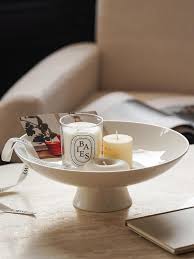
Have you ever walked into a home and noticed a beautiful bowl on a coffee table or kitchen counter? It makes the whole room feel more complete. Sometimes, you might wonder about the cost of such an item.
Finding the perfect decorative bowl for your kitchen can be a fun quest. This guide will help you understand the factors influencing the kitchen decorative bowl price. You will learn how to find stylish options without overspending, making your kitchen look its best.
Key Takeaways
- Material significantly impacts kitchen decorative bowl prices.
- Size and craftsmanship play a role in a bowl’s cost.
- Brand reputation and origin can affect the final price.
- Handmade and artisanal bowls often cost more than mass-produced ones.
- Sales, discounts, and shopping off-season can lead to savings.
- Understanding these elements helps you make informed purchasing decisions.
Factors Affecting Kitchen Decorative Bowl Price
The cost of a kitchen decorative bowl is not a single number; it varies widely. Many elements come together to determine how much you will pay. Think about the materials used, how the bowl was made, and even where it comes from.
These details all add to its value and, consequently, its price tag. Understanding these influences helps you set a budget and find a bowl that fits both your style and your wallet.
Material Matters For Price
The material used for a decorative bowl is one of the biggest drivers of its price. Some materials are naturally more expensive due to their rarity, durability, or the labor involved in processing them. For instance, precious metals like silver or gold, or even high-quality ceramic, will always cost more than basic plastic or common wood.
Each material also brings a different look and feel to your kitchen decor.
- Ceramics and Pottery These are very common for decorative bowls. The price can range from budget-friendly options made from common clay to higher-end pieces made from fine porcelain or stoneware. Glazing techniques and intricate hand-painting also add to the cost. A simple glazed ceramic bowl might be quite affordable, while a hand-painted, artisanal ceramic piece could be a significant investment.
- Glass Glass bowls also vary greatly in price. Basic molded glass bowls are generally inexpensive. However, hand-blown glass, art glass, or pieces with etched designs or vibrant colors can be considerably more costly. Crystal bowls, known for their sparkle and clarity, will naturally command a higher kitchen decorative bowl price.
- Wood The type of wood used makes a big difference. Simple bowls made from common woods like pine or birch might be more affordable. Exotic hardwoods, antique wood, or pieces with complex carvings or a highly polished finish will be more expensive. The sustainability and ethical sourcing of wood can also influence its cost.
- Metal Metal bowls can range from stainless steel and aluminum, which are often reasonably priced, to more expensive options like brass, copper, or wrought iron. Solid metal bowls will be pricier than those with a metallic coating. Intricate metalwork or antique finishes can also increase the price significantly.
- Natural Materials Bowls made from natural elements like stone, marble, or even woven reeds or rattan offer unique aesthetics. Marble or granite bowls are generally quite expensive due to the weight and difficulty of working with these materials. Rattan or woven bowls can be more budget-friendly, depending on the intricacy of the weave and the quality of the materials.
Size And Craftsmanship Influence Cost
Beyond the material, the physical attributes of the bowl itself play a crucial role in its price. A larger bowl will naturally require more material, increasing its base cost. But it’s not just about size; the level of skill and detail involved in its creation, known as craftsmanship, is a significant factor.
A bowl that looks simple might hide a lot of expert work.
Consider the design. Is it a smooth, uniform shape, or does it have complex curves, edges, or decorative elements? The more detailed the design, the more time and expertise are needed to create it.
This often means skilled artisans are involved, and their time and talent are reflected in the final price. Hand-finished details, like polished surfaces, carved patterns, or intricate joinery (if it’s a wooden bowl), all contribute to a higher kitchen decorative bowl price.
Size Dimensions And Weight
- Small Bowls Generally, smaller decorative bowls, perhaps for holding keys by the door or a small serving of nuts, will be on the lower end of the price spectrum. They use less material and require less time to produce.
- Medium Bowls These are often versatile for fruit or as a general-purpose decorative piece in the kitchen. Their price is usually moderate, reflecting a balance of material and creation time.
- Large Bowls Large bowls, like those used for serving salads or as a centerpiece, will naturally be more expensive. They require substantial amounts of material and often more complex shaping to maintain structural integrity. The visual impact of a large bowl also adds to its perceived value.
Craftsmanship Details
- Smooth Finishes A bowl that is perfectly smooth, whether ceramic, wood, or metal, indicates skilled sanding and finishing. This takes time and attention to detail, increasing the cost.
- Carvings And Engravings Decorative patterns, motifs, or personalized engravings require specialized tools and artistic skill. Hand-carved or engraved pieces are significantly more valuable than those with machine-made patterns.
- Joining Techniques For bowls made from multiple pieces (like segmented wooden bowls or metal constructions), the quality of the joinery is a key indicator of craftsmanship. Seamless, strong joints suggest a higher level of skill.
Brand Reputation And Origin
The name behind a decorative bowl and where it was made can also significantly influence its price. Well-known brands often charge more because of their reputation for quality, design, or status. These brands invest heavily in marketing and product development, costs that are passed on to the consumer.
The origin of the bowl also matters. Products from countries known for their artisanal craftsmanship or high manufacturing standards might carry a premium. Imported goods can also have higher prices due to shipping costs, import duties, and currency exchange rates.
A “designer” kitchen decorative bowl price will almost always be higher than a generic one, even if the materials and size are similar.
Brand Value
- Designer Labels Kitchenware from high-end designers or luxury home goods brands often comes with a premium price tag. This reflects the brand’s image, perceived quality, and exclusivity. Consumers are paying for the name as much as the product itself.
- Established Manufacturers Companies with a long history of producing quality home goods may also command higher prices. Their reputation for durability and consistent quality provides peace of mind to buyers.
Geographic Origin
- Country Of Origin Bowls crafted in regions famous for specific artisanal techniques, like Italian ceramics or Japanese woodwork, can be more expensive. This often reflects the skill of the local craftspeople and the tradition behind the craft.
- Handmade vs. Mass-Produced Handmade bowls, especially those from independent artisans, are almost always more expensive than mass-produced items. The time, individual attention, and unique nature of each handmade piece justify the higher kitchen decorative bowl price. Mass production allows for economies of scale, lowering the cost per unit.
Understanding Kitchen Decorative Bowl Price Ranges
When you start looking for a decorative bowl, you’ll see a wide spectrum of prices. This range depends on all the factors we’ve discussed. Knowing these typical price points can help you set realistic expectations and find a great deal.
For very basic, functional decorative bowls, you might spend as little as $10 to $20. These are often made of simple materials like plastic or basic ceramic and are mass-produced. They serve a decorative purpose but lack intricate design or premium materials.
Moving up, you can find good quality ceramic, glass, or wooden bowls in the $20 to $50 range. These offer better design, materials, and craftsmanship.
For more unique, artisanal, or designer pieces, the kitchen decorative bowl price can easily climb to $50 to $100 or even $200 and beyond. These items might feature hand-blown glass, exotic woods, intricate carvings, or be from a well-known designer brand. Ultimately, the “best” price is the one that offers you the desired aesthetic and quality for your budget.
| Price Range | Typical Materials | Craftsmanship Level | Best For |
|---|---|---|---|
| $10 – $20 | Plastic, basic ceramic, melamine | Mass-produced, simple designs | Budget-conscious shoppers, temporary decor |
| $20 – $50 | Good quality ceramic, glass, common wood, metal | Standard production, decent design and finish | Everyday use, adding style without high cost |
| $50 – $100 | Stoneware, art glass, hardwoods, brass, copper | Semi-artisanal, detailed designs, good finish | Statement pieces, enhancing kitchen aesthetics |
| $100+ | Porcelain, hand-blown glass, exotic woods, marble, silver | Artisanal, intricate details, high-end brands | Luxury decor, unique collector’s items |
Budget-Friendly Finds
You don’t always need to spend a lot to find a beautiful decorative bowl. Many retailers offer affordable options that can still add significant charm to your kitchen. Discount stores, home goods chains, and even online marketplaces are great places to look.
Shopping during sales events, like holiday promotions or seasonal clearances, can also lead to substantial savings. Look for bowls made from durable materials like melamine or sturdy ceramic. Sometimes, a simple design with a unique color or texture can be just as impactful as an expensive piece.
A well-chosen affordable bowl can elevate your kitchen’s look.
- Discount Retailers Stores like Target, Walmart, or HomeGoods often have a wide selection of decorative bowls at very accessible prices. They regularly update their stock, offering fresh styles.
- Online Marketplaces Websites such as Amazon, Etsy (for independent sellers), or Wayfair can provide a vast array of choices. Utilize their filters for price and material to narrow down your search.
- Seasonal Sales Keep an eye out for Black Friday, Cyber Monday, or end-of-season sales. Many stores offer significant discounts on home decor items during these periods.
Mid-Range Options For Style
For those willing to spend a bit more, the mid-range ($20-$50) offers a sweet spot for quality and style. Here, you’ll find bowls with better materials and more thoughtful designs. These options often strike a balance between aesthetics and durability, making them excellent choices for busy kitchens.
You might find stoneware bowls with interesting glazes, hand-blown glass pieces with unique shapes, or wooden bowls made from quality hardwoods. These bowls are substantial enough to be a focal point but not so expensive that you worry about using them for light serving. They represent a good investment for enhancing your kitchen’s decor.
- Specialty Home Stores Shops focusing on home decor, like Pottery Barn or West Elm (during sales), often have beautiful mid-range options.
- Brand-Specific Sales Even mid-tier brands frequently run promotions, making their products more affordable.
- Craft Fairs Local craft fairs can be a treasure trove for unique, well-made bowls at reasonable prices, directly supporting artisans.
Investing In High-End Pieces
If your budget allows, investing in a high-end kitchen decorative bowl can be a rewarding choice. These are often statement pieces, crafted with exceptional materials and artistry. They can become heirlooms, passed down through generations.
Think of hand-painted porcelain from renowned ceramicists, ethically sourced marble creations, or intricately carved solid wood sculptures. These bowls are not just functional objects but works of art. They bring a sense of luxury and personality to your kitchen, reflecting a discerning taste.
The kitchen decorative bowl price for these items reflects their unique value and enduring quality.
- Designer Boutiques High-end home decor stores and designer showrooms are the primary sources for these premium items.
- Artisan Studios Directly purchasing from renowned ceramicists, woodworkers, or metal artists ensures authenticity and quality.
- Exclusive Collections Limited edition runs or artist collaborations often result in highly sought-after and valuable pieces.
Tips For Finding The Best Kitchen Decorative Bowl Price
Finding a great deal on a decorative bowl involves more than just picking the cheapest option. It’s about smart shopping and knowing where to look. By employing a few strategies, you can secure a beautiful bowl that fits your budget and enhances your kitchen’s appeal.
Consider the versatility of the bowl. Can it serve a practical purpose, like holding fruit or as a catch-all for keys, in addition to being decorative? This adds value.
Also, don’t overlook slightly imperfect items; a minor flaw might not be noticeable once the bowl is in place and can come with a significant discount. Shopping during off-peak seasons for home decor can also yield better prices.
- Compare Prices Online Before buying, always check prices across different retailers. Online comparison tools and apps can help you find the best deals quickly.
- Sign Up For Newsletters Many home decor stores offer discounts or special promotions to newsletter subscribers. This is a great way to stay informed about upcoming sales.
- Consider Secondhand Options Vintage shops, antique stores, and online resale platforms can offer unique and affordable decorative bowls with character.
- Look For Open Box Or Refurbished Items Some retailers sell items that have been returned or lightly used at a reduced price. These can be excellent value if the cosmetic condition is acceptable.
Shopping Smartly For Value
Value isn’t just about low price; it’s about what you get for your money. A slightly more expensive bowl made from durable, high-quality materials and with superior craftsmanship will often provide better long-term value than a cheaper alternative that needs replacing quickly. Think about the lifespan of the bowl and how well it will hold up to your kitchen’s environment.
Consider the overall aesthetic of your kitchen. A bowl that perfectly complements your existing decor will feel more valuable because it enhances the entire space. Sometimes, waiting for the right piece, even if it costs a little more, is a better strategy than settling for something less suitable.
- Assess Durability For a kitchen, consider materials resistant to moisture and stains, especially if the bowl will be placed near cooking areas or sinks.
- Check Reviews Before purchasing online, read customer reviews to gauge the actual quality and durability of the bowl.
- Focus On Timeless Designs A bowl with a classic design will remain stylish for years, offering better long-term value than trendy items that quickly go out of fashion.
When To Buy
Timing your purchase can significantly impact the kitchen decorative bowl price. Many retailers offer sales throughout the year, and knowing when these occur can help you snag a bargain.
Major holiday sales like Presidents’ Day, Memorial Day, Labor Day, Black Friday, and Cyber Monday often feature significant discounts on home goods. Post-holiday sales can also be a good time to buy as stores clear out seasonal inventory. If you’re not in a rush, patience can pay off handsomely.
- Holiday Sales Events Plan your purchase around major shopping holidays to take advantage of widespread discounts.
- End-Of-Season Clearances Retailers often discount home decor items at the end of spring or summer to make way for new collections.
- Clearance Sections Always check the clearance or sale sections of your favorite stores, both online and in person.
Common Myths Debunked
Myth 1 A Decorative Bowl Must Be Expensive To Be Stylish
This is not true. Many affordable materials like ceramic, wood, or even certain types of glass can be crafted into stunning decorative bowls. The key is good design and quality finishing, which are not exclusive to high-priced items.
Simple, well-executed designs can be incredibly stylish and cost-effective.
Myth 2 All Handmade Bowls Are Extremely Expensive
While many artisanal bowls command higher prices due to the skill and time involved, not all handmade items are out of reach. Independent artists and craftspeople on platforms like Etsy often offer beautiful handmade bowls at various price points, making them accessible to a wider audience than one might assume. The kitchen decorative bowl price depends on the artisan’s reputation and the complexity of the piece.
Myth 3 You Can Only Find Decorative Bowls In Specialty Home Stores
This is a common misconception. While specialty stores offer curated selections, you can find beautiful and unique decorative bowls in a variety of places. Discount retailers, department stores, antique shops, flea markets, and online marketplaces all carry a wide range of options at different price points.
Myth 4 The Bigger The Bowl, The More It Costs
While size is a factor due to material quantity, it’s not the only determinant of price. A large, simply made bowl might be less expensive than a small, intricately carved or uniquely material-sourced bowl. Craftsmanship, material rarity, and brand can easily outweigh sheer size in influencing the kitchen decorative bowl price.
Frequently Asked Questions
Question: What is the average price for a kitchen decorative bowl
Answer: The average price for a kitchen decorative bowl can range from $20 to $60, but this is a broad estimate. Very basic bowls might be under $10, while high-end designer or artisanal pieces can cost several hundred dollars or more, depending on material, craftsmanship, and brand.
Question: What materials are most affordable for decorative bowls
Answer: Generally, bowls made from plastic, melamine, or basic ceramic tend to be the most affordable options. Mass-produced glass bowls are also often budget-friendly.
Question: How can I make a cheap decorative bowl look more expensive
Answer: You can make a less expensive bowl look more stylish by choosing one with a simple, elegant shape. A clean design, a pleasing color, and a smooth finish are key. Sometimes, adding a few decorative items inside the bowl, like polished stones or faux fruit, can enhance its appeal.
Question: Is it worth buying an expensive decorative bowl
Answer: It depends on your budget and what you’re looking for. If a high-end bowl is a statement piece that you absolutely love, fits perfectly with your decor, and you can afford it, then it can be a worthwhile investment. For everyday decoration, more affordable options often suffice.
Question: Where can I find unique kitchen decorative bowls
Answer: Unique decorative bowls can be found at antique stores, vintage shops, craft fairs, artisan studios, and online marketplaces like Etsy. These places often feature one-of-a-kind items or small-batch productions.
Conclusion
Understanding the factors that influence a kitchen decorative bowl price empowers you to shop wisely. Materials like ceramic, glass, wood, and metal each carry different costs based on their quality and rarity. Size and intricate craftsmanship also add to the price.
Brand reputation and origin play a role, with designer pieces typically costing more. You can find great value at all price points by comparing options, shopping during sales, and considering secondhand finds. Aim for a bowl that brings you joy and enhances your kitchen’s beauty.