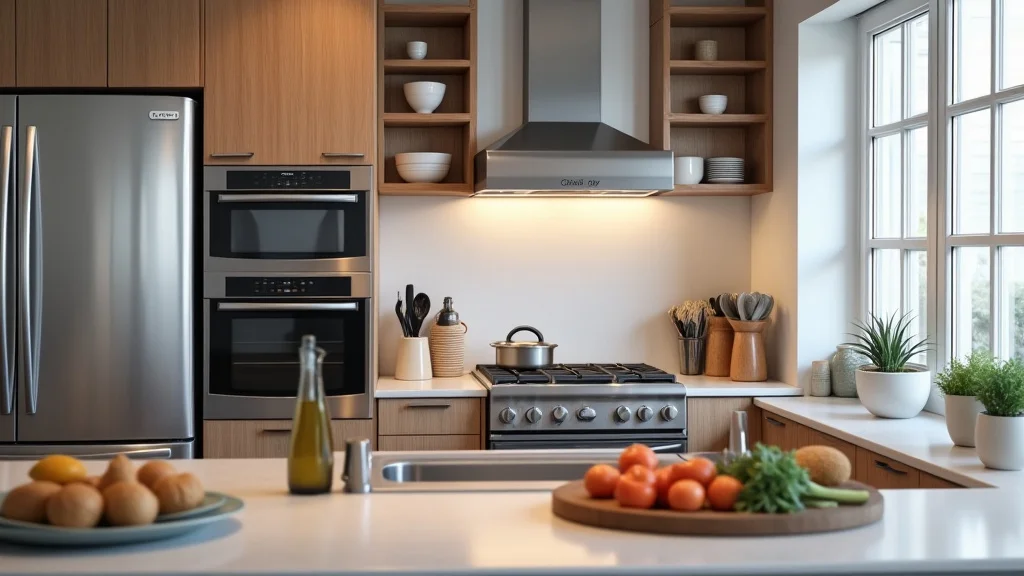
Imagine you’re planning your dream kitchen. You picture beautiful cabinets showcasing your finest dishes, adding both style and function. But then the question arises: what will a kitchen display cabinet cost?
It’s a common concern for homeowners wanting to upgrade their space without unexpected expenses. This post will guide you through the factors influencing kitchen display cabinet price, helping you budget effectively and find the perfect piece for your home.
Key Takeaways
- The size and dimensions of the cabinet significantly impact its cost.
- Materials like solid wood, MDF, and glass play a big role in pricing.
- Customization options and hardware choices affect the overall budget.
- Brand reputation and where you purchase the cabinet can influence price.
- Installation fees and any necessary modifications add to the total expense.
Factors Influencing Kitchen Display Cabinet Price
The price of a kitchen display cabinet is not a one-size-fits-all number. Many elements come together to determine the final cost. Understanding these factors is essential for making informed decisions and finding a cabinet that fits both your aesthetic and your budget.
From the basic construction to the decorative touches, each choice can add or subtract from the overall price tag.
Cabinet Size and Dimensions
The most straightforward factor affecting price is the physical size of the display cabinet. Larger cabinets require more materials and labor to build, naturally increasing their cost. Standard sizes are generally more affordable than custom dimensions because manufacturers produce them in bulk.
For example, a small, narrow display cabinet might be perfect for a tight corner and cost significantly less than a wide, tall unit designed to be a central focal point. When considering dimensions, think about the height, width, and depth. These measurements dictate the amount of wood, glass, and hardware needed.
- Height: Taller cabinets use more vertical space and materials.
- Width: Wider cabinets require more horizontal material and structural support.
- Depth: Deeper cabinets offer more storage but also use more material.
When you’re looking at various options, pay close attention to the listed dimensions. A difference of just a few inches can sometimes translate into a notable price variation. Always measure your intended space carefully before settling on a size to ensure a perfect fit and a predictable cost.
Materials Used
The materials chosen for a kitchen display cabinet are a major driver of its price. Different materials offer varying levels of durability, aesthetic appeal, and cost. High-quality, natural materials generally command higher prices.
Solid wood, such as oak, maple, or cherry, is a premium choice. It’s durable, beautiful, and can be refinished, but it comes with a higher price tag. Medium-density fiberboard (MDF) or particleboard cabinets are more budget-friendly.
They can be painted or veneered to look like solid wood but are less durable and susceptible to moisture damage.
The type of glass used for doors also affects the price. Clear tempered glass is standard and offers good safety. Frosted glass, seeded glass, or glass with decorative patterns can add to the cost.
The thickness of the glass and the quality of its finish also play a role.
Consider the interior materials as well. While the exterior is most visible, the shelves and back panel are often made from less expensive materials. However, some higher-end cabinets may use solid wood or premium veneers throughout for a more cohesive and luxurious feel.
Construction Quality and Joinery
Beyond just the raw materials, how a cabinet is constructed significantly impacts its longevity and price. High-quality joinery ensures a cabinet is sturdy and will last for many years.
Techniques like dovetail joints for drawers or dado joints for shelves are signs of superior craftsmanship. These methods are stronger and more durable than simpler methods like staples or screws, but they require more skill and time to execute, thus increasing the cost.
Cabinet boxes are often constructed using plywood or MDF. Higher-end cabinets typically use furniture-grade plywood, which is stronger and more stable than standard construction-grade plywood. The thickness of the panels used for the cabinet box also contributes to its sturdiness and price.
- Dovetail Joints: A strong, classic joinery method for drawers and box construction.
- Dado Joints: Grooves cut into the wood to create strong shelf supports.
- Mortise and Tenon Joints: Used for connecting frame components, offering excellent strength.
When examining a cabinet, gently push on its sides and doors. A well-built cabinet will feel solid and not wobble. Poorly constructed cabinets may use fewer fasteners or weaker joinery, leading to premature wear and tear.
This lower initial cost often comes at the expense of long-term value.
Design and Style
The aesthetic design and style of a kitchen display cabinet can also influence its price. Simple, minimalist designs tend to be less expensive than those with intricate details, moldings, or elaborate hardware.
Popular styles include Shaker, traditional, modern, and farmhouse. Shaker cabinets, known for their clean lines and flat center panels, are often a good balance of style and cost. Traditional cabinets might feature raised panels, decorative trim, and ornate hardware, increasing their price.
Modern designs often emphasize sleek surfaces and minimalist hardware, which can also vary in cost depending on the finishes.
The finish applied to the cabinet also matters. A simple painted finish might be less expensive than a stained finish that highlights the natural wood grain or a multi-step lacquered finish that offers superior durability and sheen. Custom paint colors or special finishes can also add to the price.
Consider the doors themselves. Frameless cabinets (European style) often appear more modern and can be more cost-effective than framed cabinets, which have a face frame adding an extra layer of material and construction. The style of the door panels, whether flat, raised, or recessed, contributes to the overall look and cost.
Hardware and Fixtures
The knobs, pulls, hinges, and drawer slides are the hardware of a display cabinet, and their quality and material can significantly impact the overall kitchen display cabinet price. While these are often small components, premium hardware can add a considerable amount to the total cost.
Basic metal or plastic knobs and pulls are generally inexpensive. However, options in materials like solid brass, brushed nickel, polished chrome, or even decorative ceramic or crystal can increase the price substantially. The design and finish of the hardware are key here.
Hinges are another area where costs can vary. Standard self-closing hinges are common. Soft-close hinges, which prevent doors from slamming shut, are a popular upgrade that adds to the price.
For drawers, standard metal slides are cost-effective, while ball-bearing or soft-close drawer slides offer smoother operation and a higher price point.
- Knobs and Pulls: Available in countless styles, materials, and finishes.
- Hinges: From basic to soft-close, affecting door operation and cost.
- Drawer Slides: Standard metal, ball-bearing, or soft-close mechanisms.
It’s worth noting that you can often upgrade hardware later if your initial budget is tight. However, choosing quality hardware upfront can enhance the cabinet’s appearance and functionality for years to come. Some manufacturers offer a range of hardware options with their cabinets, allowing you to select a package that suits your style and budget.
Brand and Manufacturer Reputation
The brand or manufacturer of a kitchen display cabinet plays a role in its pricing. Established brands with a reputation for quality, durability, and excellent design often command higher prices than lesser-known or budget brands.
Premium brands might use higher-grade materials, more advanced construction techniques, and offer more extensive warranties. They also invest in design and marketing, which can be reflected in the product’s price. For some consumers, the peace of mind that comes with a trusted brand name is worth the extra investment.
Conversely, many smaller manufacturers or custom cabinet makers can offer competitive pricing, especially if they have lower overhead. They might also be more flexible with customization options. It’s a good idea to research different brands, read reviews, and compare offerings to find the best value for your needs.
Think of it like buying a car. A luxury car brand will be more expensive than a standard model, even if both vehicles offer similar basic functionality. The difference lies in the materials, craftsmanship, brand prestige, and often, the level of service and support provided.
Customization vs. Stock Cabinets
One of the most significant differentiators in kitchen display cabinet price is whether you opt for a stock, semi-custom, or fully custom cabinet. Stock cabinets are pre-manufactured in standard sizes and configurations, making them the most affordable option.
Semi-custom cabinets offer a middle ground. You can choose from a wider range of sizes, finishes, and door styles than with stock cabinets, and some modifications might be possible. This flexibility comes at a higher price point than stock options.
Fully custom cabinets are built to your exact specifications. You have complete control over dimensions, materials, design, and every detail. This level of personalization offers the most design freedom but also represents the highest cost due to the specialized design and labor involved.
- Stock Cabinets: Standard sizes, limited choices, most affordable.
- Semi-Custom Cabinets: More size and style options, moderate price.
- Custom Cabinets: Built to exact specifications, highest price, maximum flexibility.
When deciding, consider your specific needs. If you have a unique space or a very particular vision, custom might be the only way to achieve it. However, if you can work within standard dimensions and popular styles, stock or semi-custom cabinets can provide excellent value and significant cost savings.
Glass Type and Detailing
The glass used in a display cabinet significantly affects its look and its price. The type of glass, its thickness, and any decorative treatments will all influence the final cost of the kitchen display cabinet.
Clear tempered glass is the most common and cost-effective option. It’s durable and safe, as it shatters into small, dull pieces if broken. Beyond clear glass, you have many other choices, each adding a different aesthetic and price point.
Frosted or etched glass offers privacy and a softer look, hiding the contents of the cabinet. This can be a great choice if you want to display decorative items without them appearing cluttered. Textured or patterned glass, such as reeded, seeded, or diamond-patterned glass, adds visual interest and a decorative flair, but typically costs more than plain frosted glass.
The thickness of the glass also matters. Thicker glass provides a more substantial feel and better durability but also increases the cost. For very large cabinet doors, thicker glass might be necessary for structural integrity and safety.
Consider the framing of the glass. Some cabinets have glass panels set directly into the door frame, while others might have a separate frame for the glass itself, often with decorative molding. The complexity of this framing can add to the labor and material costs.
A helpful comparison can be seen when looking at car windows. Standard clear glass is the baseline. Options like privacy glass, tinted glass, or specialized laminated safety glass all come with a price premium.
The same principle applies to cabinet glass.
Finishes and Stains
The finish applied to a kitchen display cabinet is crucial for both its appearance and its protection. The type of finish, the number of coats, and the intricacy of the application process all contribute to the overall cost.
Natural wood cabinets can be stained to enhance the wood grain and achieve different colors. The quality of the stain and the sealant applied over it will affect the durability and look. A simple, clear coat will be less expensive than a multi-step staining process that achieves deep, rich tones or a distressed look.
Painted finishes are another popular option. Standard paint colors are generally more affordable. However, custom paint colors, high-gloss lacquers, or specialty finishes like crackle or metallic paints will increase the price.
The preparation work involved in achieving a smooth, flawless painted surface is also labor-intensive.
Some cabinets feature a combination of finishes, such as a stained wood frame with painted inserts, or two-tone effects. These more complex finishes require more skilled labor and careful application, leading to a higher price.
- Stains: From simple wood tone enhancers to deep, rich colors.
- Paints: Standard colors versus custom mixes or specialty finishes.
- Protective Coats: Varnishes, lacquers, and sealants add durability and cost.
When choosing a finish, consider how it will hold up in a kitchen environment, which can be prone to moisture and grease. A durable, high-quality finish will protect your investment and maintain the cabinet’s appearance over time, often justifying a higher initial cost.
Lighting Options
Integrated lighting can transform a display cabinet, turning it into a feature piece that highlights your collectibles or dinnerware. While it adds to the aesthetic appeal, it also adds to the overall kitchen display cabinet price.
The simplest lighting options might be battery-operated LED puck lights, which are relatively inexpensive and easy to install yourself. These offer a basic glow without complex wiring.
More sophisticated lighting includes built-in LED strip lights or spotlights, often concealed along the top of the cabinet or along the shelves. These require professional wiring and can be controlled with a switch or even a remote. The type of LED bulbs used, their brightness (lumens), and their color temperature (warm or cool white) can also affect the price.
Some high-end cabinets may offer features like dimmable lighting or color-changing options, which further increase the cost. When budgeting for lighting, remember to factor in installation costs if you’re not doing it yourself.
A kitchen display cabinet with lighting can be a stunning addition, but it’s important to weigh the visual impact against the added expense. For some, the ambiance created by illuminated displays is well worth the investment.
Estimating Your Budget
To get a realistic estimate for your kitchen display cabinet price, it’s helpful to break down the potential costs. Consider the various elements discussed earlier and how they apply to your desired cabinet.
A basic, small stock cabinet made from laminate or particleboard might range from $200 to $500. A mid-range, solid wood Shaker-style cabinet with decent hardware could fall between $800 and $2,500. For a high-end, fully custom cabinet with premium materials, intricate design, and advanced features like lighting, you could be looking at $3,000 to $10,000 or even more.
It’s always wise to get quotes from multiple sources. If you’re looking at custom options, visit local cabinet makers and discuss your needs. For stock or semi-custom options, explore online retailers and local kitchen showrooms.
Sample Price Scenarios
Let’s look at a couple of scenarios to illustrate potential costs:
-
Scenario 1: Budget-Friendly Update
You need a simple display cabinet for your cookbooks. You opt for a 30-inch wide, 36-inch tall stock cabinet made from MDF with a painted finish. It features clear glass doors and basic metal pulls.Estimated Cost: $350 – $600 (cabinet only, assuming DIY installation).
-
Scenario 2: Mid-Range Family Cabinet
You want a wider, taller display cabinet (48 inches wide, 72 inches tall) for your fine china. You choose a semi-custom option in solid maple wood with a natural stain, Shaker-style doors, and frosted glass. It includes soft-close hinges and brushed nickel hardware.Estimated Cost: $1,800 – $3,500 (cabinet only, professional installation extra).
-
Scenario 3: Custom Showpiece
You desire a bespoke display cabinet to match your kitchen’s unique style. It’s 60 inches wide, 80 inches tall, made from exotic hardwood with intricate carved details. It features reeded glass, custom-finished hardware, and integrated dimmable LED lighting.Estimated Cost: $7,000 – $15,000+ (fully custom, including installation).
Installation Costs
Don’t forget to factor in installation. While some smaller display cabinets might be simple enough for DIY installation, larger or more complex units often require professional help.
Installation costs can vary widely based on your location, the complexity of the installation, and whether electrical work is needed for lighting. Expect to pay anywhere from $150 to $600 or more for professional installation. If you’re renovating your kitchen, your contractor may include this in their overall project bid.
Where to Buy Kitchen Display Cabinets
The place where you purchase your kitchen display cabinet can also impact its price and selection. Different retail channels offer distinct advantages and price points.
Big Box Home Improvement Stores
Stores like Home Depot or Lowe’s offer a wide selection of stock and semi-custom cabinets. They have a range of brands, styles, and price points, making them a convenient one-stop shop. You can often see samples in person and get advice from sales associates.
The pricing at these stores can be competitive, especially for stock items. They frequently have sales and promotions. However, the selection of higher-end or truly custom options might be limited compared to specialized retailers.
- Pros: Wide availability, convenient, good for stock items, competitive pricing.
- Cons: Limited custom options, can be overwhelming selection.
Kitchen Showrooms and Specialty Retailers
These establishments focus specifically on kitchen and bath products, including custom cabinetry. They typically offer a more curated selection of higher-quality and custom cabinets from various manufacturers. The staff are usually more knowledgeable and can provide expert design advice.
While prices here may be higher than at big box stores, you often get better quality, more customization, and a more personalized shopping experience. They are ideal for those seeking unique designs or premium materials.
A study by the National Association of Home Builders found that homeowners often allocate a significant portion of their renovation budget to cabinetry, underscoring the importance of choosing the right supplier.
Online Retailers
The internet offers an immense array of kitchen display cabinets from numerous manufacturers and distributors. Online retailers can often offer lower prices due to lower overhead costs. You can find everything from budget-friendly stock cabinets to high-end custom pieces.
However, buying online comes with risks. It’s harder to assess the quality of materials and finishes without seeing them in person. Returns can also be more complicated for large items.
Always check return policies and read customer reviews carefully.
When shopping online, look for retailers with detailed product descriptions, high-quality images, and clear shipping and return information. Some online stores offer sample doors so you can see the finish and material before committing to a full purchase.
Custom Cabinet Makers and Local Artisans
For truly unique or specific designs, a local custom cabinet maker is an excellent choice. They can build cabinets to your exact specifications, using the materials and finishes you desire. This offers the ultimate in personalization.
The kitchen display cabinet price from a custom maker will depend heavily on the complexity of the design, the materials used, and the maker’s reputation. While often the most expensive option, it can also provide the best value if you have a specific vision that off-the-shelf cabinets cannot meet.
When working with a custom maker, ensure you have detailed drawings and specifications. A clear contract outlining the scope of work, materials, timeline, and payment schedule is essential.
Common Myths Debunked
Myth 1: All glass-front cabinets are expensive.
This is not true. While specialty glass types and intricate framing can increase cost, basic clear tempered glass in simple Shaker-style doors is quite common and can be found on affordable stock cabinets. The overall design and material of the cabinet frame play a bigger role in price than the glass alone.
Myth 2: Cheaper cabinets are always a good deal.
Not necessarily. While a lower initial price is appealing, very cheap cabinets may be made from lower-quality materials, have poor construction, and use inferior hardware. These cabinets may not last as long and could require repairs or replacement sooner, making them more expensive in the long run.
Focusing on value – a balance of quality, durability, and price – is usually a better strategy.
Myth 3: You can’t customize stock cabinets.
While stock cabinets have fixed dimensions and styles, some manufacturers offer limited customization options. This could include choosing different hardware, selecting from a broader range of paint or stain colors, or adding interior accessories. Semi-custom lines offer more significant customization possibilities.
Myth 4: Installation is always straightforward.
Installation can range from simple to complex. Factors like the cabinet’s size and weight, the need for electrical wiring for lights, or the requirement for custom mounting can make installation challenging. For anything beyond a basic unit, professional installation is often recommended for safety and a proper fit.
Myth 5: Display cabinets are only for decorative items.
While their primary purpose is often aesthetic, display cabinets can be highly functional. They are perfect for storing everyday dishes, glassware, or even small appliances, keeping them accessible yet organized and protected from dust. The glass doors allow you to see what’s inside, making it easy to find items.
Frequently Asked Questions
Question: What is the average price for a kitchen display cabinet?
Answer: The average price can vary greatly, ranging from $200 for a basic stock cabinet to over $3,000 for a custom-built unit with premium materials. A mid-range option often falls between $800 and $2,500.
Question: Does the material of the cabinet make a big difference in price?
Answer: Yes, material is a major factor. Solid wood like oak or maple is more expensive than MDF or particleboard. The type and quality of glass also influence the cost.
Question: Are custom display cabinets worth the extra cost?
Answer: Custom cabinets are worth it if you have specific design needs, unique dimensions, or a particular vision that off-the-shelf options cannot meet. They offer ultimate personalization but at a higher price.
Question: Should I include installation in my budget?
Answer: Yes, absolutely. Installation costs can add $150 to $600 or more, depending on complexity and whether electrical work is involved. It’s important to budget for this to avoid surprises.
Question: Where can I find the best deals on kitchen display cabinets?
Answer: Deals can be found at big box stores during sales events, from online retailers with lower overhead, or by choosing stock cabinets over custom options. Comparing prices from different sources is key.
Conclusion
Choosing a kitchen display cabinet involves balancing your style preferences with your budget. By understanding the impact of size, materials, construction quality, design, hardware, brand, and customization, you can make an informed decision. Whether you opt for a simple stock cabinet or a bespoke masterpiece, thoughtful consideration ensures you find a piece that enhances your kitchen beautifully and functionally.