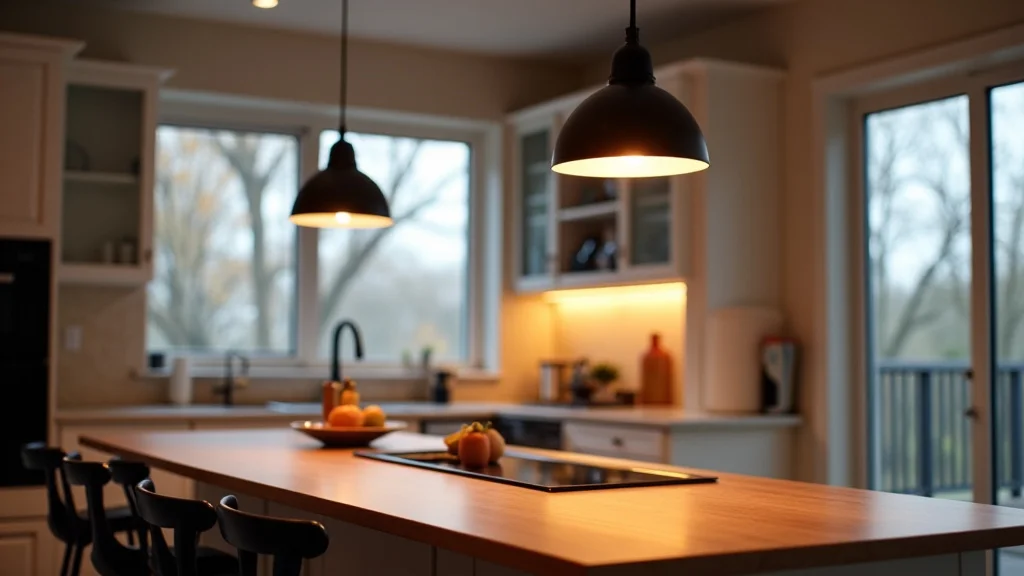
Thinking about updating your kitchen lighting? Many homeowners find themselves staring at their current fixtures, wondering if a change could make their space feel brighter and more inviting. One of the most popular choices for a kitchen update is a hanging lamp.
But before you get too excited about a stylish new look, the big question on your mind is likely the kitchen hanging lamp price. This guide will help you understand the costs involved so you can budget wisely for your dream kitchen.
Key Takeaways
- Kitchen hanging lamps vary widely in price, influenced by material, brand, size, and complexity.
- DIY installation can save money, but professional installation adds to the overall cost.
- Budget-friendly options exist for under $50, while high-end designer pieces can exceed $1000.
- Consider the long-term value, including energy efficiency and durability, when assessing price.
- Understanding different styles and their typical price ranges helps in making an informed decision.
Understanding Kitchen Hanging Lamp Price Factors
The cost of a kitchen hanging lamp is not a one-size-fits-all figure. Several key elements contribute to the final price tag you’ll see on a fixture. These include the materials used, the reputation of the brand, the size and complexity of the design, and even where you choose to purchase it from.
For instance, a lamp made from solid brass or hand-blown glass will naturally cost more than one made from acrylic or simple metal. Similarly, a well-known designer brand often comes with a premium for its name and established quality.
The size of the lamp also plays a significant role. Larger fixtures that require more material and may be more complex to manufacture will generally be more expensive. Think about the scale of your kitchen and the dining area where the lamp will hang; a statement piece will naturally carry a higher price than a smaller task light.
Even the finishes can impact the cost; hand-painted or brushed finishes might add to the price compared to standard painted or polished options.
Material Matters For Lamp Cost
The materials used in a kitchen hanging lamp are perhaps the most significant determinant of its price. High-quality materials not only look better but also last longer and contribute to the lamp’s overall aesthetic appeal. For example, metals like brushed nickel, polished chrome, or solid brass are more expensive than painted steel or aluminum.
Glass shades can range from simple clear or frosted glass to intricate hand-blown or seeded glass, each with its own price point.
Natural materials like wood or even ceramic can also influence the cost. A lamp with a carved wooden accent or a ceramic dome shade will likely be priced higher than a plain metal pendant. The quality of craftsmanship in shaping and finishing these materials also adds to the value and, consequently, the price.
When you see a lamp made with premium materials, you can expect to pay more, but you are often investing in a piece that will enhance your kitchen for years to come.
- Metal Finishes: Polished nickel, brass, and copper tend to be more expensive than painted finishes like black or white.
- Glass Types: Hand-blown, art glass, or seeded glass shades are usually pricier than standard clear or frosted glass.
- Natural Materials: Lamps incorporating solid wood, stone, or intricate ceramic elements often carry a higher cost.
- Durable Construction: Fixtures made with thicker gauge metals or higher quality wiring will command a better price.
Brand Reputation And Designer Influence
Just like with many other products, the brand of a kitchen hanging lamp significantly affects its price. Established lighting manufacturers that have built a reputation for quality, durability, and innovative design often charge more for their products. These brands invest in research and development, use superior materials, and ensure rigorous quality control, all of which are reflected in the price.
Designer collaborations or lamps created by well-known interior designers can also command a premium. These pieces are often seen as more exclusive and stylish, appealing to consumers looking for a statement piece for their home. While you might pay more for a designer lamp, you are often getting a unique aesthetic and a product that reflects current trends in home decor.
It’s a trade-off between brand prestige and potentially finding a similar style from a lesser-known or generic brand at a lower price.
Size And Complexity Of The Design
The physical dimensions of a hanging lamp directly impact the amount of material required for its construction, and thus its price. A large, multi-bulb chandelier or a wide pendant light will use more metal, glass, or other components than a small, single-bulb fixture. The complexity of the design also plays a role; intricate patterns, multiple arms, or elaborate shades require more skilled labor and time to produce.
Consider the visual impact you want to achieve. A grand, eye-catching fixture will naturally be more expensive than a simple, understated one. This doesn’t mean a lower price means lower quality, but for decorative, statement pieces, the scale and intricate details often drive up the kitchen hanging lamp price.
When comparing options, always check the dimensions to ensure the lamp is proportionate to your space and that the price aligns with the visual weight and material of the fixture.
For example, a cluster pendant light with five individual shades, each about 6 inches in diameter and made of hand-blown glass, will be considerably more expensive than a single dome pendant light that is 10 inches wide and made of painted metal. The sheer number of components and the intricate manufacturing process for the cluster light contribute significantly to its higher cost.
Average Kitchen Hanging Lamp Price Ranges
When you start looking for kitchen hanging lamps, you’ll notice a wide spectrum of prices. This range can be overwhelming, but understanding the typical costs for different categories can help you narrow down your options and set a realistic budget. From affordable finds to luxury statements, there’s a kitchen hanging lamp to fit almost any financial plan.
It’s helpful to think in terms of budget-friendly, mid-range, and high-end options. This categorization helps to manage expectations and identify where your money will be best spent. For instance, if you’re looking for a simple update that doesn’t break the bank, you’ll be focusing on the lower end of the spectrum, while those seeking a show-stopping centerpiece might explore the higher price brackets.
Budget-Friendly Options (Under $100)
You can absolutely find stylish and functional kitchen hanging lamps without spending a fortune. The under $100 category is perfect for those on a tight budget, DIY enthusiasts looking for a quick update, or renters who need affordable solutions. These lamps typically feature simpler designs, often made from painted metal, basic glass, or durable plastic materials.
While they might not use premium materials, many budget-friendly lamps offer excellent value. You can find single-bulb pendants with clear glass shades, minimalist industrial-style fixtures, or even farmhouse-inspired designs. The key is to look for good construction and a finish that appears more expensive than it is.
Online retailers and big-box home improvement stores are great places to find these deals.
- Minimalist Pendants: Simple metal domes or globes in black, white, or brushed nickel finishes are common and affordable.
- Industrial Styles: Cage lights or bare-bulb fixtures with exposed cords can offer a trendy look at a low price.
- Glass Shades: Clear or frosted glass pendants are widely available and can add a clean, classic feel.
Mid-Range Options ($100 – $300)
Stepping into the mid-range allows for more quality materials, better brand recognition, and more intricate designs. If your budget allows for this bracket, you’ll find a much wider selection of durable fixtures that offer a significant upgrade in appearance and longevity. Here, you’ll start seeing more solid metal constructions, higher-grade glass, and unique aesthetic features.
This is often the sweet spot for many homeowners, offering a balance between cost and quality. You might find lamps with brushed brass or oil-rubbed bronze finishes, seeded glass shades, or more elaborate multi-light configurations. Brands in this range typically offer good warranties and are known for consistent quality.
It’s a great place to find a fixture that feels substantial and well-made.
- Branded Fixtures: Many reputable lighting companies offer excellent options in this price range.
- Quality Materials: Expect solid metal construction and higher quality glass or ceramic elements.
- Variety of Styles: From modern farmhouse to sleek contemporary, the design options expand considerably.
High-End & Designer Options ($300+)
For those looking for a true statement piece or investing in a designer look, the high-end market offers unparalleled craftsmanship, unique materials, and exclusive designs. The kitchen hanging lamp price in this category can easily go into the hundreds or even thousands of dollars. These are often fixtures that become a focal point of the kitchen.
You’ll find lamps made from premium materials like hand-blown art glass, solid hardwoods, or unique metals. Designer brands are prominent here, offering innovative shapes and finishes that set them apart. These fixtures are not just lights; they are pieces of art that can significantly elevate your kitchen’s interior design.
They are built to last and often become heirloom pieces.
- Designer Collections: Lamps created by well-known interior designers or architectural firms.
- Artisan Craftsmanship: Fixtures featuring hand-blown glass, intricate metalwork, or unique natural materials.
- Statement Pieces: Large-scale chandeliers or unique sculptural pendants designed to be a room’s focal point.
Installation Costs For Kitchen Hanging Lamps
The price of the lamp itself is only part of the overall cost. Installation is another crucial factor to consider, and it can vary significantly based on your approach. Are you a DIY whiz, or will you need to hire a professional electrician?
Your choice will directly impact the total expenditure for your new lighting.
Professional installation ensures the job is done safely and correctly, especially if any new wiring is required. However, it comes with an additional labor cost that needs to be factored into your budget. Understanding these costs upfront can prevent surprises down the line.
DIY Installation Savings
If you have some basic electrical knowledge and feel comfortable working with wiring, installing a kitchen hanging lamp yourself can lead to substantial savings. The cost of a DIY installation is primarily the tools you might need (if you don’t already own them) and the time you invest. Basic tools like a screwdriver, wire strippers, and a voltage tester are usually sufficient for a straightforward replacement.
The most significant saving comes from avoiding professional labor fees, which can range from $100 to $300 or more depending on the complexity and your location. However, it is crucial to prioritize safety. If you are unsure about any step, it is always best to consult a professional.
Incorrect wiring can be dangerous and lead to costly repairs or even fire hazards.
A simple swap of an existing pendant light for a new one is often a manageable DIY project. This involves turning off the power at the breaker, disconnecting the old fixture, connecting the wires of the new fixture, and securing it in place. Many new hanging lamps come with clear instructions to guide you through the process.
Professional Electrician Costs
Hiring a qualified electrician to install your kitchen hanging lamp provides peace of mind and ensures the job is done to code. The average cost for an electrician to install a single light fixture can range from $100 to $200, but this can increase if the project is more complex.
Complex installations might include running new wiring from the switch to the ceiling, installing a new junction box, or working with dimmer switches. If you’re replacing an old fixture that had outdated wiring or is in a difficult-to-reach spot, the labor costs will be higher. Always get an estimate from a few different electricians before committing to one to ensure you’re getting a fair price for the kitchen hanging lamp price and its installation combined.
For instance, if you are moving a light fixture from one spot on the ceiling to another, the electrician will need to patch and repair the old location, run new wiring, and install the new box and fixture. This could easily add several hundred dollars to the installation cost.
Factors Affecting Installation Quotes
Several factors can influence the price an electrician charges for installing your new kitchen hanging lamp. The location of your home is a major factor, as labor rates vary by region. Urban areas typically have higher electrician rates than rural areas.
The complexity of the existing electrical setup in your kitchen also plays a part.
If your kitchen has older wiring, is a historic home with knob-and-tube wiring, or if the ceiling is particularly high, installation can be more time-consuming and therefore more expensive. The type of fixture being installed can also affect the quote; some fixtures are heavier or require more intricate mounting than others. Always discuss these details when requesting a quote to get the most accurate estimate.
- Your Geographic Location: Labor costs differ significantly between cities and rural areas.
- Existing Wiring Condition: Older or more complex wiring systems can increase installation time and cost.
- Ceiling Height and Accessibility: High ceilings or difficult-to-reach areas may require special equipment or more time.
- Type of Fixture: Heavy chandeliers or fixtures requiring custom mounting may cost more to install.
Enhancing Value and Longevity
Beyond the initial kitchen hanging lamp price, consider how your chosen fixture adds value to your home and how long it will last. Investing in quality can save you money and hassle in the long run. This involves looking at energy efficiency, durability, and warranty information.
A good hanging lamp not only provides illumination but also enhances the overall ambiance and functionality of your kitchen. When evaluating a lamp, think about its performance over time. Does it use energy-efficient bulbs?
Is it built to withstand the kitchen environment? These are questions that point to long-term value.
Energy Efficiency Considerations
The type of bulbs a kitchen hanging lamp uses can significantly impact your electricity bills over time. Many modern hanging lamps are designed to accommodate LED bulbs, which are highly energy-efficient and long-lasting. While LED bulbs may have a slightly higher upfront cost than traditional incandescent bulbs, they consume much less energy and last for thousands of hours, offering substantial savings.
When looking at the kitchen hanging lamp price, consider if it comes with integrated LED lighting or if it’s compatible with LED bulbs. Lamps with integrated LEDs are often more sleek and modern, but if the LED unit fails, the entire fixture may need to be replaced. Lamps that use standard sockets for bulbs offer more flexibility to choose your preferred LED bulbs.
Statistics show that LED lighting can reduce energy consumption for lighting by up to 80% compared to incandescent bulbs. This translates to lower utility bills and a smaller carbon footprint. Over the lifespan of a lamp, these savings can easily outweigh a higher initial purchase price.
Here’s a comparison of typical bulb lifespans and energy usage:
| Bulb Type | Average Lifespan (Hours) | Energy Consumption (Watts) |
|---|---|---|
| Incandescent | 1,000 | 60-100 |
| CFL | 8,000 | 13-23 |
| LED | 25,000+ | 8-15 |
Durability And Maintenance
A kitchen is a busy place, and lighting fixtures can be exposed to grease, steam, and occasional bumps. The durability of a kitchen hanging lamp is a key factor in its long-term value. Lamps made with high-quality materials and solid construction will resist wear and tear better than cheaper alternatives.
For example, a heavy-gauge metal shade will be more resilient than thin plastic.
Maintenance is also important. Some lamps have delicate shades that are difficult to clean, while others are designed for easy dusting and wiping. Consider how easy it will be to replace bulbs if necessary.
A lamp that is easy to maintain will look better and function properly for longer, justifying its kitchen hanging lamp price by offering sustained aesthetic appeal and utility.
- Material Strength: Robust materials like solid brass, thick steel, or tempered glass are more durable.
- Finish Quality: High-quality finishes resist chipping, fading, and tarnishing, maintaining appearance over time.
- Ease of Cleaning: Fixtures with simple designs and accessible parts are easier to keep clean from kitchen grime.
- Bulb Access: Ensure you can easily access and
Warranty Information
A good warranty is a strong indicator of a manufacturer’s confidence in their product’s quality and durability. When considering the kitchen hanging lamp price, always check the warranty offered. Most reputable brands offer warranties that cover manufacturing defects for at least one to five years, and some high-end fixtures may have longer warranties.
A longer warranty period means you are less likely to face unexpected replacement costs if the lamp fails due to a defect. It’s an investment in peace of mind. If a manufacturer offers a generous warranty, it suggests they stand behind their product, which can be a significant factor in justifying a higher price point for a quality fixture.
Choosing The Right Style And Size
Selecting the right style and size for your kitchen hanging lamp is as important as its price and quality. The lamp should complement your kitchen’s decor and be appropriately scaled for the space. A lamp that is too large can overpower the room, while one that is too small can look insignificant.
Consider the overall aesthetic you want to achieve – modern, traditional, industrial, farmhouse, or eclectic. The lamp is a key design element, so it should harmonize with your existing cabinets, countertops, and other fixtures. Matching the style ensures a cohesive and pleasing look.
Matching Styles To Your Kitchen
Your kitchen’s style should guide your choice of hanging lamp. For a modern kitchen, sleek lines, geometric shapes, and minimalist designs in materials like polished metal or glass work well. A traditional kitchen might benefit from a more ornate chandelier, perhaps with crystal accents or in a wrought-iron finish.
Farmhouse kitchens often feature rustic elements, so a pendant with a galvanized metal finish, a barn light style, or a woven natural material shade would be a good fit. Industrial kitchens, characterized by exposed brick, metal pipes, and raw materials, can be enhanced by cage lights, Edison bulb fixtures, or matte black pendants.
Here are some popular styles and their typical price points:
| Style | Typical Price Range (USD) | Common Materials |
|---|---|---|
| Modern/Contemporary | $75 – $500+ | Glass, Metal, Acrylic |
| Farmhouse/Rustic | $50 – $400+ | Metal, Wood, Glass |
| Industrial | $60 – $350+ | Metal, Wood, Glass |
| Traditional/Chandelier | $150 – $1000+ | Metal, Crystal, Glass |
Determining The Correct Size
The size of your hanging lamp should be proportional to the area it will illuminate. A common guideline for pendant lights over an island or countertop is to have the diameter of the fixture be about one-third the width of the island or counter. For a dining table, the chandelier’s diameter should ideally be between 24 and 36 inches for most standard dining rooms.
When hanging a lamp over a kitchen island, ensure there is enough clearance for people to walk around without bumping into it. A good rule of thumb is to hang it about 30-36 inches above the countertop surface. For dining areas, this height can be adjusted slightly higher, around 30-38 inches above the table.
Always measure your space before purchasing to avoid a fixture that is either too big or too small.
- Kitchen Island Rule: Lamp diameter should be roughly 1/3 the width of the island.
- Island Height Clearance: Hang fixtures 30-36 inches above the countertop.
- Dining Room Rule: For dining tables, aim for a lamp diameter between 24-36 inches for most rooms.
- Dining Height Clearance: Hang fixtures 30-38 inches above the dining table.
Placement And Lighting Layers
Consider where you want your hanging lamp to be placed and how it fits into your kitchen’s overall lighting scheme. Hanging lamps are often used as task lighting over islands or dining tables, but they can also serve as ambient or accent lighting. Layering different types of lighting – ambient, task, and accent – creates a more functional and inviting kitchen environment.
For instance, a central ceiling fixture might provide ambient light, while a hanging lamp over the island offers focused task lighting for food preparation. Under-cabinet lighting can add accent illumination to your countertops. By strategically placing your hanging lamp, you can enhance both the practicality and the mood of your kitchen.
A well-placed lamp can draw attention to specific features or create a cozy dining nook.
Scenario: A family is renovating their kitchen and wants to add a focal point over their island. They have a large island measuring 8 feet by 3 feet. They are considering a cluster of three pendant lights, each about 8 inches in diameter, or one larger single pendant light that is 24 inches in diameter.
- Option 1 (Cluster Pendants): Three 8-inch pendants would have a combined visual width of about 24 inches, fitting the 1/3 rule for the island’s width. Spaced evenly, they would provide good light distribution.
- Option 2 (Single Large Pendant): A 24-inch pendant also fits the 1/3 rule. It would create a more singular, dramatic focal point.
The decision might come down to aesthetic preference and how much light is needed. A cluster might offer more diffused light, while a single pendant could be more of a statement piece.
Common Myths Debunked
Myth 1: All Kitchen Hanging Lamps Are Expensive
This is a common misconception. While high-end designer options can be costly, there are thousands of kitchen hanging lamps available at very affordable price points. You can find stylish and functional lamps for under $100 by looking at simpler designs, materials like painted metal or basic glass, and brands that focus on value over luxury.
The kitchen hanging lamp price truly spans a wide range.
Myth 2: Hanging Lamps Are Only for Large Kitchens
This is not true. While large statement chandeliers might be best suited for spacious kitchens, there are many smaller-scale pendant lights and single-bulb fixtures perfect for compact kitchens. The key is to choose a lamp that is appropriately sized for the space, ensuring it doesn’t overwhelm the room but still provides adequate lighting.
Myth 3: You Must Hire an Electrician to Install Any Hanging Lamp
For many basic installations, especially when replacing an existing fixture, DIY installation is entirely feasible for someone with basic electrical knowledge. Turning off power at the breaker, disconnecting old wires, and connecting new ones is a manageable task for many homeowners. However, if you’re unsure or dealing with complex wiring, hiring a professional is always the safest option.
Myth 4: All Hanging Lamps Offer the Same Quality of Light
The quality and type of light a hanging lamp provides depend heavily on its design, the shade material, and the bulb used. A solid metal shade will cast light downwards and outwards, creating a more focused beam, while a glass or open design will diffuse light more broadly. The Kelvin temperature and brightness (lumens) of the bulb also critically affect the light quality.
Frequently Asked Questions
Question: What is the average kitchen hanging lamp price?
Answer: The average kitchen hanging lamp price can range widely, typically from $50 for basic models to $300 for mid-range options, and upwards of $1000 for designer or high-end fixtures. Factors like material, brand, and design complexity significantly influence the cost.
Question: Can I install a kitchen hanging lamp myself?
Answer: Yes, many kitchen hanging lamps can be installed by a DIYer with basic electrical knowledge. However, if you are uncomfortable with electrical work or if the installation involves new wiring, it is safer to hire a professional electrician.
Question: How do I choose the right size hanging lamp for my kitchen?
Answer: For kitchen islands, a common guideline is for the lamp’s diameter to be about one-third the width of the island. Ensure there is adequate clearance, typically hanging 30-36 inches above the countertop, to avoid bumping into it.
Question: What materials are common for kitchen hanging lamps?
Answer: Common materials include glass (clear, frosted, seeded, art glass), various metals (steel, brass, nickel, copper, aluminum), wood, and sometimes ceramic or acrylic. The material significantly impacts the price and aesthetic.
Question: Are LED bulbs more expensive for hanging lamps?
Answer: While LED bulbs may have a higher upfront cost than incandescent bulbs, they are much more energy-efficient and last significantly longer, leading to substantial savings on electricity bills and replacement costs over time.
Conclusion
Your kitchen hanging lamp price depends on many factors, from material quality to brand prestige. Understanding these influences helps you find the perfect fixture for your space and budget. Whether you seek an affordable update or a show-stopping centerpiece, thoughtful selection ensures beauty and function for years to come.