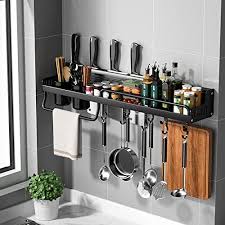
Are you tired of rummaging through drawers for that spatula or whisk when you’re in the middle of cooking? A cluttered kitchen can make even simple tasks feel overwhelming. Imagine easily reaching for any utensil you need, neatly organized on your wall.
This guide will help you find the perfect kitchen hanging utensil holder without breaking the bank. We’ll explore the factors influencing the kitchen hanging utensil holder price and offer tips to get the best value for your money, ensuring your kitchen is both functional and stylish.
Key Takeaways
- You will learn about the different price ranges for kitchen hanging utensil holders.
- Discover materials that affect the cost of these holders.
- Understand how features like size and design impact the price.
- Find tips for getting a good deal on your utensil holder.
- Learn where to buy kitchen hanging utensil holders at different price points.
Understanding Kitchen Hanging Utensil Holder Price Factors
The cost of a kitchen hanging utensil holder can vary significantly. This variation is due to several key elements. These include the materials used, the size and capacity, the brand reputation, and any special design features.
For example, a simple plastic holder will be much cheaper than one made of stainless steel or with intricate decorative elements. Thinking about how many utensils you need to store will also guide your choice and its price. A holder designed for a few common tools will cost less than a large rack meant for a professional kitchen’s vast collection.
Materials and Their Impact on Cost
The material a utensil holder is made from is a major driver of its price. Different materials offer varying levels of durability, aesthetic appeal, and ease of cleaning. Each comes with its own cost implications.
- Metal holders, such as stainless steel or wrought iron, tend to be more expensive. This is because these metals are durable and offer a sleek, modern look. Stainless steel is particularly popular for its resistance to rust and corrosion, making it a long-lasting investment. Wrought iron can offer a more rustic or classic charm but might require more care to prevent rust. The cost often reflects the gauge of the metal and any finishing treatments. For instance, brushed nickel finishes can add to the price compared to a standard polished chrome.
- Wood holders offer a warm, natural aesthetic. The type of wood used greatly influences the price. Hardwoods like oak, maple, or cherry are more expensive than softer woods like pine or bamboo. The finish applied to the wood also plays a role; a natural oil finish might be cheaper than a high-gloss lacquer. Wood can be beautiful but may require more careful cleaning and maintenance to prevent water damage or staining.
- Plastic utensil holders are generally the most budget-friendly option. They are lightweight, come in a wide array of colors, and are easy to clean. However, plastic may not be as durable as metal or wood, and cheaper plastics can sometimes warp or crack over time, especially when exposed to heat. High-quality BPA-free plastics can increase the price slightly but offer better safety and durability.
- Ceramic holders can add a decorative touch to your kitchen. Their price depends on the quality of the ceramic, the intricacy of the design, and whether they are handmade or mass-produced. While visually appealing, ceramic can be fragile and prone to chipping or breaking if dropped.
Size and Capacity Considerations
The size and capacity of a hanging utensil holder directly correlate with its price. A larger holder that can accommodate more utensils will naturally cost more than a smaller one. This is due to the increased material required and often more complex construction.
- Small holders, typically designed for 5-10 utensils, are often the most affordable. They are suitable for individuals or small households with a limited number of frequently used tools like spatulas, whisks, and ladles. These might be single rods or small baskets.
- Medium-sized holders can usually store between 10-20 utensils. They offer a good balance between space-saving and storage capacity, fitting the needs of most average families. These often feature multiple hooks or a larger basket.
- Large or multi-tier holders are designed for extensive collections, holding 20+ utensils. These are ideal for avid cooks, bakers, or those who own many specialized kitchen tools. The increased size and potential for multiple levels or sections contribute to a higher kitchen hanging utensil holder price.
When evaluating size, consider not just the length of a hanging rod but also the depth and width of any accompanying baskets or containers. A deeper basket can hold longer utensils, and a wider one accommodates more items side-by-side. Some holders offer adjustable configurations, which can also affect the price.
Design and Aesthetic Features
The visual appeal and unique design elements of a utensil holder also influence its cost. Basic, utilitarian designs are generally less expensive than those that are intricately crafted or incorporate decorative flourishes.
- Simple, minimalist designs often focus on functionality. These might be plain rods with simple hooks or basic cylindrical containers. Their straightforward construction means lower manufacturing costs, translating to a lower price. They blend well into modern or contemporary kitchens.
- Decorative or themed designs add to the price. This can include holders with vintage patterns, ornate scrollwork, or specific thematic elements like kitchen motifs. These often involve more detailed craftsmanship or specialized manufacturing processes.
- Multi-functional designs can also increase the price. Some holders might include built-in shelves, spice racks, or paper towel holders. While offering added convenience, these combined features require more materials and a more complex design, leading to a higher kitchen hanging utensil holder price.
Brand reputation plays a role here too. Well-known kitchenware brands often command higher prices for their products, even for seemingly simple items, due to perceived quality and trust.
Exploring Different Price Ranges
The market offers a wide spectrum of prices for kitchen hanging utensil holders, catering to various budgets. Understanding these ranges helps in making an informed purchase. You can find options from extremely affordable to more premium selections.
Budget-Friendly Options Under $20
For shoppers on a tight budget, numerous functional and aesthetically pleasing options are available for under $20. These are typically made from more economical materials like plastic or basic metal alloys. They might also have simpler designs and smaller capacities.
- Plastic or composite material holders are common in this price range. They are often lightweight and easy to install, sometimes using adhesive strips instead of screws. Look for BPA-free options for peace of mind. Examples include single-rod racks with basic hooks or small wall-mounted baskets.
- Some basic metal rod systems with simple S-hooks fall into this category. These might be made of aluminum or painted steel. While they offer a more durable feel than plastic, the finish might not be as resistant to wear and tear. These are excellent for holding a few essential cooking tools.
- Wall-mounted magnetic strips, though not strictly for hanging, can also hold metal utensils and are very affordable. They offer a sleek, modern look for very little cost.
A common scenario for this price range is a young couple setting up their first kitchen. They need essential organization but are mindful of initial expenses. A $15 plastic utensil rack might hold their most-used spatulas and whisks, bringing immediate order without a large outlay.
This allows them to allocate funds to other important kitchen items.
Mid-Range Options ($20 – $50)
This mid-range segment offers a significant step up in quality, durability, and design. You’ll find holders made from better materials like solid wood, brushed stainless steel, or higher-grade plastics. The designs are often more refined, and the capacity may be larger.
- Stainless steel utensil racks are very popular here. They are known for their durability, resistance to rust, and clean, modern appearance. These often come with multiple hooks and can support a good weight. Brands known for kitchen organization often feature prominently in this bracket.
- Wooden holders made from hardwoods like bamboo or sealed pine are also common. These can add warmth and style to a kitchen. Look for holders with smooth finishes and sturdy construction. Some may even feature adjustable hook placement or integrated shelves.
- Decorative metal finishes, such as oil-rubbed bronze or brushed nickel, often appear in this range, adding a touch of elegance without the premium price tag of high-end finishes.
Consider a family that enjoys cooking together. They need a holder that can manage a good number of utensils for various tasks. A $35 stainless steel rack with 10 hooks provides ample space for their collection of wooden spoons, ladles, and metal turners.
It’s durable enough for daily use and looks good on their kitchen wall.
Premium Options Over $50
For those seeking the best in terms of materials, craftsmanship, and unique design, the premium segment offers high-end solutions. These holders are often constructed from top-grade materials like solid hardwoods, heavy-gauge stainless steel, or designer metals. They may feature exclusive designs, customizable options, or integrated advanced features.
- High-quality solid wood holders, perhaps from artisan makers or premium brands, fall into this category. These might feature exotic woods, intricate joinery, or special hand-applied finishes. They are built to last a lifetime and serve as a decorative piece as much as a functional organizer.
- Designer stainless steel or specialty metal holders with unique finishes or shapes command higher prices. These are often from well-regarded kitchenware designers or brands that focus on luxury home goods. They might have a very specific aesthetic that elevates the kitchen’s overall look.
- Multi-functional systems that integrate utensil storage with other kitchen needs, such as knife blocks, spice racks, or even small shelves, are also premium items. These are designed for maximum utility and seamless integration into a high-end kitchen design.
A chef who takes pride in their kitchen space might invest in a $75 custom-made walnut utensil holder. Its elegant grain and precise craftsmanship reflect their attention to detail. It not only organizes their professional-grade tools but also enhances the aesthetic of their culinary haven.
Where to Find the Best Kitchen Hanging Utensil Holder Price
Discovering the ideal kitchen hanging utensil holder at a great price involves knowing where to look. Different retailers and platforms offer varying selections and price points. Comparing options across these sources can lead to significant savings and better choices.
Online Retailers
Online marketplaces and dedicated kitchenware websites are excellent places to find a vast array of kitchen hanging utensil holders. They often have competitive pricing, frequent sales, and a wide selection that spans all price ranges.
- Large online retailers like Amazon, Wayfair, and Overstock offer an extensive catalog. You can easily filter by price, material, brand, and customer reviews, which is a huge advantage. Comparison shopping is simple, and deals are abundant, especially during holiday sales events.
- Specialty kitchenware stores online, such as Williams Sonoma or Sur La Table, often carry higher-end and designer options. While their prices might be higher, they also offer quality products and excellent customer service. Keep an eye on their sale sections for deals.
- Direct-to-consumer brands that focus on home organization can also offer good value. Buying directly from the manufacturer can sometimes cut out middlemen, leading to better prices for comparable quality.
When shopping online, always check customer reviews for insights into durability and ease of installation. Look for product descriptions that clearly state dimensions and materials.
Physical Stores
Brick-and-mortar stores provide the opportunity to see and feel the products before buying. This can be particularly useful for assessing the quality and sturdiness of a utensil holder.
- Home goods stores like IKEA, Bed Bath & Beyond, and Target offer a good mix of budget-friendly and mid-range options. They usually have a dedicated section for kitchen organization where you can see many styles firsthand.
- Department stores often have kitchenware departments that carry a range of utensil holders from various brands. Sales events can make these items quite affordable.
- Discount stores and home improvement centers might carry simpler, more utilitarian models at lower prices. These can be great for basic needs.
Visiting physical stores allows you to gauge the actual size and weight of the holder, ensuring it fits your space and utensil collection.
Sales and Discounts
Timing your purchase can lead to significant savings. Many retailers offer discounts throughout the year.
- Holiday sales (like Black Friday, Cyber Monday, Prime Day) are prime times to find deals on kitchenware, including utensil holders.
- Seasonal clearance events can also present opportunities to snag discounted items.
- Signing up for email newsletters from your favorite retailers often provides access to exclusive discounts and early sale notifications.
A common scenario involves someone needing a utensil holder but not being in a rush. They wait for the July 4th sale at a home goods store and find a stainless steel model originally priced at $40 for just $25. This proactive approach to shopping ensures they get a quality product at a reduced kitchen hanging utensil holder price.
Tips for Getting the Best Value
To ensure you get the most for your money when buying a kitchen hanging utensil holder, consider these practical tips. They help in making a wise choice that balances cost, quality, and your specific needs.
- Assess Your Needs Carefully Before you start looking, count how many utensils you regularly use and their approximate sizes. This prevents overspending on a holder that’s too small or too large. A holder that perfectly fits your essentials is more valuable than an oversized one.
- Prioritize Durability Over Price While budget is important, remember that a cheap holder that breaks quickly will cost more in the long run due to replacement. Investing a little more in a durable material like stainless steel or solid wood can save you money and hassle over time.
- Read Reviews and Compare Always check customer reviews for insights into product quality, ease of installation, and how well it holds up over time. Compare prices across different retailers to ensure you’re getting the best deal for the model you want.
- Consider Installation Requirements Some holders might require drilling into walls, while others use strong adhesives. Think about your wall type and what installation method works best for you, as this might affect the overall cost if you need professional help or special mounting hardware.
- Look for Multi-Use Designs Thoughtfully While multi-functional holders can be convenient, ensure you truly need the extra features. Sometimes, a dedicated, well-designed utensil holder is more effective and cost-efficient than a jack-of-all-trades item.
One practical example involves a homeowner looking for a hanging utensil holder. They initially considered a $15 plastic model but noticed frequent complaints about it bending under weight. They then opted for a $30 stainless steel model which, though more expensive upfront, has held up perfectly for two years, proving to be better value and more reliable for their daily cooking needs.
Common Myths Debunked
Myth 1: All hanging utensil holders are expensive.
This is not true. As explored, there are many affordable options available, especially those made from plastic or simpler metal designs. You can find functional and attractive holders for under $20, proving that organization doesn’t have to be costly.
Myth 2: More hooks always mean a higher kitchen hanging utensil holder price.
While larger holders with more hooks or capacity generally cost more, the price difference isn’t always directly proportional. Sometimes, a slightly larger holder might offer significantly more storage for a modest price increase, providing better value. Design and material play a bigger role than just the number of hooks.
Myth 3: You need special tools to install any hanging utensil holder.
Many modern hanging utensil holders are designed for easy DIY installation. Adhesive-backed options require no tools, while others might only need a screwdriver for a few screws. While some premium or heavy-duty models might need drilling, it’s not a universal requirement.
Myth 4: Plastic utensil holders are always flimsy and low quality.
While some cheap plastic options can be flimsy, many manufacturers now produce high-quality, durable plastic utensil holders. Look for terms like “BPA-free” and check reviews to ensure the plastic is thick and sturdy enough for your needs. These can offer excellent value for their price.
Frequently Asked Questions
Question: What is the average price for a basic kitchen hanging utensil holder?
Answer: A basic kitchen hanging utensil holder, typically made of plastic or simple metal, can range from $10 to $25.
Question: Are stainless steel utensil holders worth the higher price?
Answer: Yes, stainless steel holders are generally worth the higher price due to their durability, rust resistance, and easy maintenance, often lasting much longer than cheaper alternatives.
Question: Should I choose a holder with hooks or a basket?
Answer: Holders with hooks are great for tools with holes in their handles, like ladles and whisks. Baskets are better for a mix of items, including those without hanging holes.
Question: How many utensils can a typical mid-range holder store?
Answer: A mid-range holder, usually costing between $20 and $50, can typically store between 10 to 20 utensils, depending on their size and type.
Question: Where is the best place to buy a kitchen hanging utensil holder on a budget?
Answer: Discount stores, large online retailers during sales events, and store brands at places like IKEA or Target often offer the best kitchen hanging utensil holder price for budget shoppers.
Summary
Finding a kitchen hanging utensil holder that fits your budget and needs is achievable. Prices range from under $20 for basic models to over $50 for premium designs. Material, size, and design are key price factors.
Online retailers and physical stores offer many options. Always compare prices and read reviews to get the best value.