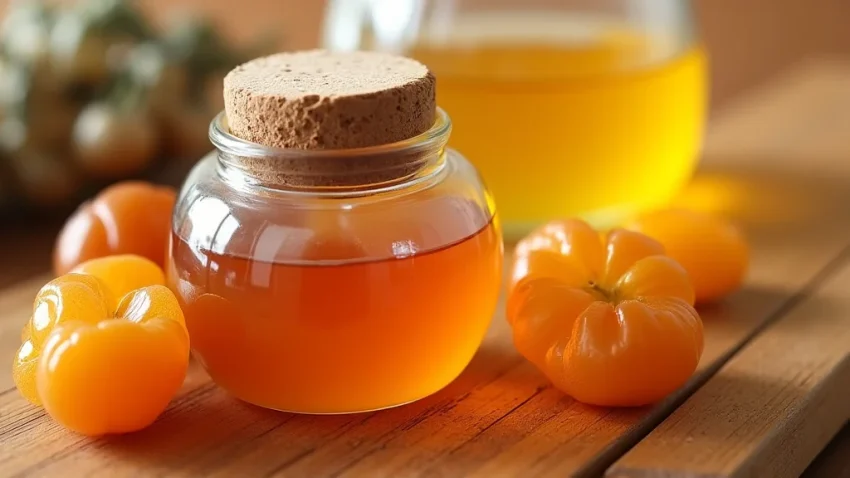
Ever stared at your pantry, wondering if that honey jar is a pantry staple or a potential budget breaker? It’s a common thought, especially when you reach for that golden sweetness for your morning tea or baking needs. The price of a kitchen honey jar can vary wildly, influenced by so many factors you might not even realize.
This guide will help you understand what makes one jar cost more than another and how to find the best value for your home.
Key Takeaways
- Honey jar prices depend on honey type, origin, and brand.
- Packaging size and material significantly impact the final cost.
- Specialty or organic honey often comes with a higher price tag.
- Look for sales and compare prices across different retailers for savings.
- Understanding these factors helps you make informed purchasing decisions.
Understanding Kitchen Honey Jar Price Factors
The cost of a kitchen honey jar is not set in stone. Many elements contribute to the price tag you see on the shelf or online. From the type of flower the bees visited to how the honey is processed and packaged, each step adds to the overall expense.
For consumers, this means that not all honey is created equal in terms of cost. It’s important to know what influences these prices to get the best deal.
Types of Honey and Their Impact on Price
The most significant factor affecting kitchen honey jar price is the type of honey itself. Different floral sources result in distinct flavors, colors, and textures, and some are rarer or more labor-intensive to produce. This rarity and demand directly translate into price differences.
- Wildflower honey is often more affordable because it comes from a diverse range of nectar sources, making it readily available in many regions. The bees gather nectar from whatever flowers are blooming, leading to a varied flavor profile that can change seasonally. This abundance helps keep production costs down.
- Single-origin honeys, like clover, buckwheat, or acacia, can command higher prices. Acacia honey, for instance, is prized for its light color and mild flavor, making it popular for delicate culinary uses. Buckwheat honey, on the other hand, is dark and robust, appealing to those who prefer a stronger taste, but its production may be more specialized.
- Manuka honey, originating from New Zealand, is famously expensive. Its high price is due to its unique antibacterial properties and the limited geographic area where the Manuka bush grows. The complex grading system for Manuka honey (like UMF or MGO) further adds to its cost and perceived value.
Consider this: a 16-ounce jar of common wildflower honey might range from $5 to $10. In contrast, a similar-sized jar of Manuka honey could easily cost $30 to $60 or more, depending on its potency rating. This vast difference highlights how the floral source is a primary driver of kitchen honey jar price.
Geographic Origin and Sourcing
Where honey is produced also plays a role in its price. Local honey, for example, often has a slightly higher cost than mass-produced honey from large commercial apiaries. This is due to smaller batch production, potentially higher labor costs for beekeepers, and the added value consumers place on supporting local agriculture.
- Local honey producers often sell their products at farmers’ markets or directly from their farms. The price reflects the beekeeper’s direct involvement and the perceived freshness and unique regional flavor. Shipping and distribution costs are also typically lower, but smaller scale operations mean less volume, which can drive up per-unit prices.
- Imported honeys might have fluctuating prices based on global supply, demand, and international shipping expenses. Regulations in different countries regarding beekeeping practices and honey processing can also influence the cost.
- Ethical sourcing and sustainable beekeeping practices can also contribute to a higher kitchen honey jar price. Beekeepers who prioritize bee health, avoid pesticides, and use environmentally friendly methods may incur higher operational costs, which are then passed on to the consumer.
For instance, a 12-ounce jar of “local raw honey” from a small farm might cost $8-$15, whereas a similarly sized jar of honey from a large international brand might be found for $4-$7. The transparency of sourcing is often a key differentiator in price.
Processing and Purity
How honey is treated after it’s harvested has a significant impact on its price and quality. Unprocessed, raw honey is generally more expensive than processed honey.
- Raw honey is typically strained to remove debris like beeswax and pollen but is not heated or pasteurized. This preserves its natural enzymes, antioxidants, and beneficial compounds. Because it retains more of its natural qualities, it’s often considered more valuable and thus commands a higher kitchen honey jar price.
- Pasteurized honey is heated to kill yeast, improve clarity, and prevent crystallization, making it easier to bottle and store. However, this heating process can destroy some of its beneficial nutrients and alter its flavor and aroma. Since this process is often done on a large scale, it can sometimes lead to lower prices for the consumer compared to raw honey.
- Filtered honey undergoes finer filtration to remove even more impurities, resulting in a clear, smooth liquid. While this makes the honey aesthetically pleasing, it can also remove pollen, which is important for identifying the honey’s origin and for its potential health benefits. The effort involved in achieving this level of clarity can affect the price.
A 12-ounce jar of raw, unfiltered honey might be priced between $7 and $12. A jar of clear, pasteurized honey of the same size could be found for $5 to $9. The purity and minimal processing are key value propositions for raw honey, justifying its higher kitchen honey jar price.
Brand Reputation and Packaging
Well-known brands often charge a premium for their name recognition and perceived quality. Additionally, the type of packaging used for the honey can influence its overall cost.
- Established brands have invested in marketing and quality control, building consumer trust. This trust allows them to set higher prices than smaller, lesser-known producers. Consumers might feel more confident buying from a brand they recognize, even if it means paying a little more.
- Specialty packaging, such as decorative glass jars, bear-shaped bottles, or jars with elaborate labels, can also increase the final price. These are often marketed as gift items or premium pantry additions, where the aesthetics contribute to the perceived value.
- The material of the container matters too. While glass is common and keeps honey well, larger plastic containers might be more economical for bulk purchases, affecting the per-ounce kitchen honey jar price.
For example, a 16-ounce jar of honey from a recognized premium brand in a standard glass jar might cost $9-$14. A similar-sized jar from a less-known brand or a store’s own brand could be $6-$10. A decorative gift jar might push the price significantly higher, perhaps $15-$25 for a smaller quantity.
Exploring Different Kitchen Honey Jar Price Ranges
The price of a kitchen honey jar can span a considerable range, from budget-friendly options to premium selections. Understanding these categories helps shoppers make choices that align with their needs and budget.
Budget-Friendly Options
For everyday use, many consumers seek affordable honey options that still provide good flavor and quality. These are typically found in larger grocery stores and are often mass-produced.
- Value Size Jars: Look for larger containers, often 24 ounces or more. While the initial cost is higher, the price per ounce is usually significantly lower. For instance, a 40-ounce jug of honey might cost $12-$18, whereas a 12-ounce jar of the same type could be $5-$8.
- Store Brands: Many supermarkets offer their own brand of honey. These are typically made from blends of honey sourced by the retailer and are priced competitively to attract budget-conscious shoppers.
- Basic Blends: Honeys labeled simply as “honey” or “sweetener” without specific floral origins are usually more affordable. These are often blends designed for a consistent, mild taste, making them versatile for various uses.
These budget-friendly options are perfect for regular use in tea, coffee, or as a general sweetener where the nuanced flavor of specialty honey isn’t a priority. They make the kitchen honey jar price accessible for daily consumption.
Mid-Range Choices
This category includes honeys that offer a good balance of quality, flavor, and price. They might be from specific floral sources or regional producers, offering a step up from basic blends without breaking the bank.
- Single-Origin Honeys: Honeys like clover, wildflower, or orange blossom from reputable brands often fall into this range. They offer distinct flavor profiles that enhance specific dishes or beverages. A 16-ounce jar might cost between $8 and $12.
- Local Honey from Small Producers: While sometimes at the higher end of mid-range, many local beekeepers offer excellent quality honey at prices that reflect their smaller scale of operation and commitment to quality. A 12-ounce jar could be $7-$11.
- Organic Options: Certified organic honey ensures that bees were not exposed to pesticides and that the honey production met organic standards. This certification adds to the cost, placing it in the mid-to-high range. An 8-ounce jar might be $9-$13.
Mid-range honeys are ideal for those who appreciate a good quality honey for everyday enjoyment and light cooking or baking, offering a noticeable difference in taste and aroma compared to budget options.
Premium and Specialty Honeys
This is where you’ll find the most expensive kitchen honey jar price, driven by rarity, unique properties, and high production standards.
- Manuka Honey: As mentioned, its medicinal properties and specific origin make it a premium product. Prices can start from $25 for a small 8-ounce jar and go up significantly for higher UMF/MGO ratings.
- Rare Floral Varieties: Honeys from very specific or seasonal floral sources, such as lavender, blueberry, or chestnut, can be quite costly. Their limited availability and unique flavor profiles justify the premium. An 8-ounce jar might range from $15 to $30.
- Artisanal and Raw Honey from Niche Producers: Small-batch, artisanal honeys, especially those that are exceptionally raw and unprocessed, command top dollar. These often highlight the beekeeper’s craft and the unique terroir of the location.
- Raw Comb Honey: Honey still in the beeswax comb is a luxurious product. It’s the least processed form of honey, offering a beautiful presentation and an intense flavor. A small section of comb might cost $10-$20.
These premium honeys are often purchased for their specific health benefits, gourmet culinary applications, or as special gifts, where the exceptional quality and rarity are the primary selling points.
Tips for Finding the Best Kitchen Honey Jar Price
Securing the best kitchen honey jar price involves a blend of smart shopping strategies. By being observant and proactive, you can enjoy delicious honey without overspending.
- Compare Prices Online and In-Store: Before making a purchase, take a moment to compare prices across different retailers, both physical stores and online marketplaces. Prices can vary significantly, and a few minutes of searching can lead to noticeable savings. Websites like Amazon, Walmart, and specialty food sites offer a wide selection.
- Look for Sales and Discounts: Many grocery stores and online retailers offer periodic sales on honey. Stocking up during these promotional periods is a great way to save money, especially if you consume a lot of honey. Keep an eye out for coupons or loyalty program discounts as well.
- Buy in Bulk When Possible: If you use honey regularly, purchasing larger quantities can often lead to a lower price per ounce. However, ensure you have adequate storage space and will use the honey before it potentially crystallizes or loses some of its optimal flavor over extended periods.
- Consider Local Beekeepers: As discussed, local honey can sometimes be more expensive, but often it offers superior quality and freshness. If you have local beekeepers in your area, compare their prices to store-bought options. You might find excellent value and support your local community.
- Understand Labels: Pay attention to what the label says. “Pure honey” is a good start, but “raw,” “unfiltered,” or specific floral source names indicate higher quality, which may justify a slightly higher kitchen honey jar price.
For example, a family might find that buying a 40-ounce jar of their favorite mid-range honey for $15 during a sale is more cost-effective than buying three 12-ounce jars at $7 each, saving them $6 in total. This careful consideration of price per unit and sales can significantly impact your grocery budget.
Common Myths Debunked
Myth 1: All Honey Tastes the Same
This is far from the truth. The floral source, geographic origin, and processing methods all contribute to unique flavor profiles, colors, and aromas. From light and floral acacia to robust and malty buckwheat, the diversity is vast, impacting both taste and kitchen honey jar price.
Myth 2: More Expensive Honey is Always Better
While premium honeys like Manuka offer unique benefits and higher prices, a higher price tag doesn’t automatically mean superior quality for all purposes. For everyday use, a well-sourced mid-range honey can be just as enjoyable and satisfying without the premium cost.
Myth 3: Honey Never Spoils
While honey has an incredibly long shelf life due to its low water content and acidity, it doesn’t last forever in its optimal state. Over time, it can crystallize, lose some of its volatile aromatic compounds, and its beneficial enzymes can degrade, especially if not stored properly. Proper storage in a cool, dark place is key.
Myth 4: Honey is Just Sugar
While honey is primarily composed of sugars (fructose and glucose), it also contains small amounts of vitamins, minerals, enzymes, amino acids, and antioxidants. These additional components contribute to its unique properties and flavor, distinguishing it from refined sugars and influencing its kitchen honey jar price.
Frequently Asked Questions
Question: What is the average price for a standard jar of honey?
Answer: A standard 12-ounce to 16-ounce jar of commonly available honey, like wildflower or clover, typically ranges from $5 to $10.
Question: Why is local honey sometimes more expensive than supermarket honey?
Answer: Local honey is often produced in smaller batches by independent beekeepers. The price reflects higher labor costs, less industrial scale production, and the premium consumers place on freshness and supporting local businesses, impacting the kitchen honey jar price.
Question: Does the color of honey indicate its price?
Answer: Generally, darker honeys (like buckwheat) can sometimes be more expensive due to their distinct flavor profiles and potential nutrient density, but it’s not a strict rule. Rarity of floral source and processing are bigger price drivers.
Question: Is raw honey worth the higher price?
Answer: For many, yes. Raw honey retains natural enzymes, pollen, and antioxidants, offering potential health benefits and a more complex flavor. If you value these aspects, the higher kitchen honey jar price is often justified.
Question: How can I store honey to keep it fresh?
Answer: Store honey in a cool, dark place with the lid tightly sealed. Avoid refrigeration, as this can cause it to crystallize more quickly. Properly stored honey can last for a very long time.
Summary
Choosing the right kitchen honey jar price involves knowing the factors that influence cost. From floral type and origin to processing and packaging, each element plays a role. By comparing prices, watching for sales, and understanding what makes honey special, you can find delicious options that fit your needs and budget.
Enjoy your sweet discovery.