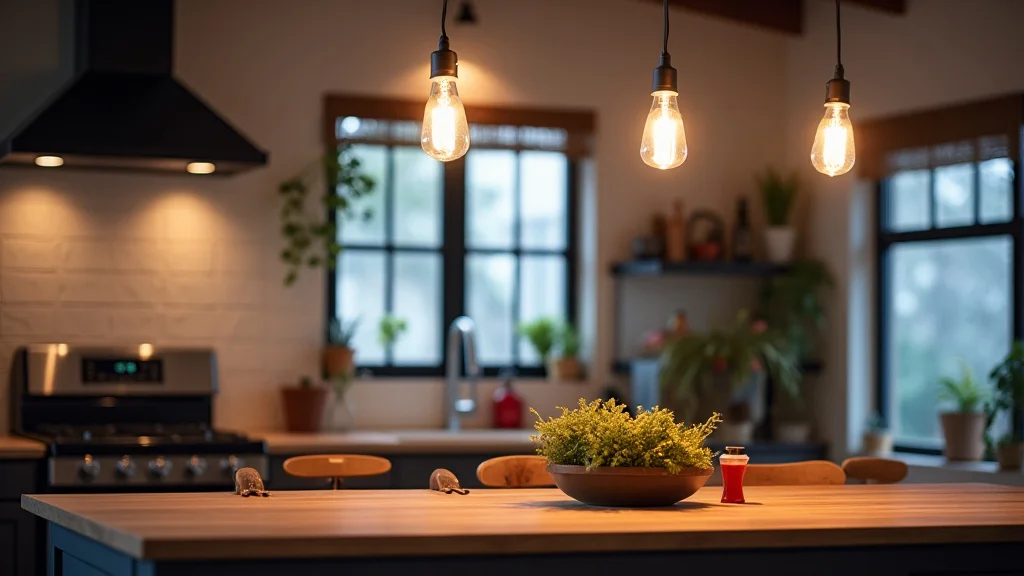
Are you looking to update your kitchen with a stylish pendant light? You might be wondering about the cost. Many factors influence the kitchen pendant light price, from the materials used to the brand name. This post will explore what goes into the cost, helping you find the perfect light without breaking the bank. You’ll learn to identify good value and make informed decisions about your lighting purchase.
Key Takeaways
- The cost of kitchen pendant lights varies widely based on materials and craftsmanship.
- Brand reputation and designer labels significantly impact the overall price.
- Size, complexity of design, and the type of bulb required also affect the budget.
- Installation costs are an additional consideration that can add to the total expense.
- Shopping during sales or considering less well-known brands can save money.
Understanding Kitchen Pendant Light Price Ranges
The price of a kitchen pendant light can vary dramatically. You might find simple glass pendants for under $50, while elaborate designer fixtures can cost over $1,000. This wide range is due to many elements, including the quality of materials, the manufacturing process, and brand recognition. Understanding these differences helps shoppers make educated choices.
Materials Matter for Cost
The materials used to make a pendant light are a primary driver of its price.
- Glass: Blown glass, crystal, or textured glass often commands a higher price than plain or molded glass. The craftsmanship involved in creating unique glass effects can be extensive.
This means that a hand-blown glass pendant, which requires skilled artisans and careful attention, will typically cost more than a machine-made glass fixture. The thickness and type of glass also play a role; thicker, more durable glass is usually more expensive.
- Metal: Finishes like brushed nickel, polished chrome, bronze, or antique brass can influence cost. Higher-quality metals and more complex finishing processes, such as hand-applying patina, increase the price.
For example, a pendant made from solid brass with a hand-rubbed oil-bronze finish will be more costly than one made from aluminum with a painted finish. The weight and type of metal are also factors; heavier, more durable metals like brass or wrought iron tend to be more expensive than lighter metals like aluminum.
- Wood: Natural wood, especially hardwoods like oak, walnut, or cherry, can add a premium to the price. The way the wood is finished and sealed also impacts cost.
A pendant featuring a hand-carved wooden element will naturally be more expensive than one with simple wooden accents. The type of wood, its grain pattern, and the finishing process all contribute to the final price.
- Other Materials: Materials like ceramic, concrete, or even fabric shades can also affect pricing. Unique or artisanal materials often come with a higher price tag due to their rarity and the labor involved in their creation.
For instance, a pendant with a hand-painted ceramic shade might cost more than a standard ceramic one. The complexity of the design and the sourcing of these unique materials add to the overall expense.
Brand Reputation and Designer Influence
The brand name on a pendant light can significantly impact its price. Well-known lighting manufacturers often charge more for their products due to their reputation for quality, design, and customer service. Designer collaborations or limited-edition collections will almost always come with a premium price tag.
- Established Brands: Companies with a long history of producing high-quality lighting fixtures often have higher prices. This is partly due to their investment in research, development, and quality control.
These brands may also offer better warranties and customer support, which adds to the perceived value. Consumers often associate these brands with longevity and excellent performance.
- Designer Collections: When a well-known interior designer or architect lends their name to a lighting collection, the price can skyrocket. These collaborations leverage the designer’s brand appeal.
These fixtures are often seen as statement pieces and carry a prestige that justifies a higher cost. The unique aesthetic vision of the designer is a key selling point.
- Luxury vs. Budget Brands: There’s a clear distinction between luxury lighting brands and more budget-friendly options. Luxury brands focus on premium materials, intricate designs, and exclusivity.
Budget brands, while still offering functional lighting, often use less expensive materials and simpler manufacturing processes. The trade-off is usually in the longevity and unique aesthetic appeal of the fixture.
Factors Affecting Kitchen Pendant Light Price
Beyond materials and brands, several other elements influence how much you’ll pay for a kitchen pendant light. These include the size of the fixture, the complexity of its design, and the type of lighting technology it uses.
Size and Scale
The physical dimensions of a pendant light are a direct factor in its kitchen pendant light price. Larger fixtures generally require more material and a more robust construction, leading to a higher cost.
- Fixture Dimensions: A pendant that is 18 inches in diameter will naturally cost more than one that is 8 inches in diameter. This is simply because more raw materials are needed.
The height of the pendant also plays a role. A very long pendant might require specialized manufacturing techniques or stronger support structures, increasing the price.
- Coverage Area: The size of the pendant should be proportionate to the space it will illuminate. Oversized pendants in small kitchens can be overwhelming and costly.
Conversely, too small a pendant in a large kitchen might not provide adequate light and can appear insignificant. Balancing scale and cost is key.
Design Complexity and Craftsmanship
Intricate designs, hand-finished details, and unique construction methods contribute significantly to the kitchen pendant light price. A simple, mass-produced pendant will be much cheaper than a hand-crafted piece with detailed carvings or complex geometric shapes.
- Artisan Craftsmanship: Pieces made by skilled artisans, involving hand-assembly, intricate metalwork, or detailed glassblowing, will command a premium.
These items are often considered works of art and carry the value of the artist’s time and expertise. Limited production runs also add to their exclusivity and cost.
- Unique Shapes and Structures: Pendants with unusual shapes, multiple tiers, or complex internal structures require more engineering and manufacturing effort.
For example, a multi-arm pendant with individual shades will be more expensive than a single-shade pendant due to the increased number of components and assembly time.
Lighting Technology and Features
The type of light bulb compatibility and any integrated features can also affect the kitchen pendant light price.
- LED Integration: Pendants with built-in LED lights are often more expensive upfront than those designed for standard bulbs. However, they can save money on energy consumption over time.
LEDs are known for their energy efficiency and long lifespan, making them a popular choice. The quality and brightness of the integrated LEDs can also influence the price.
- Dimmable Options: Pendants that are designed to be dimmable, especially if they use integrated LEDs, may have a slightly higher price point due to the necessary circuitry.
The ability to adjust the light intensity adds functionality and ambiance, which can justify a higher cost for some consumers.
- Smart Technology: Some modern pendant lights offer smart features, allowing control via a smartphone app or voice assistants. These high-tech options are typically the most expensive.
The integration of Wi-Fi or Bluetooth connectivity and compatible software adds significantly to the manufacturing cost and retail price.
Comparing Kitchen Pendant Light Price and Value
When looking at kitchen pendant light price, it’s essential to consider the value you’re getting. A higher price doesn’t always mean better quality, and a lower price doesn’t always mean a bad deal. It’s about finding the right balance for your needs and budget.
The Value Proposition of Different Price Points
Understanding what each price tier typically offers can guide your decision-making.
- Budget-Friendly ($0 – $150): In this range, you’ll find basic designs, often made from simpler materials like aluminum or standard glass. They are great for a quick update or if you need multiple pendants.
These are functional and can look good, especially in modern or minimalist kitchens. Expect simpler finishes and less intricate designs.
- Mid-Range ($150 – $500): This category offers a good balance of quality, design, and durability. You’ll find better materials, more unique styles, and well-known brands.
Many homeowners find excellent options here that offer both style and longevity without a prohibitive cost. These often feature improved finishes and more substantial construction.
- High-End ($500+): Expect premium materials, designer collaborations, handcrafted elements, and cutting-edge technology in this price bracket. These are often statement pieces.
These fixtures are for those who want a truly unique and luxurious focal point for their kitchen and are willing to invest significantly. They represent the pinnacle of design and material quality.
Case Study: The Impact of Material on Price
Consider two similar-looking pendants: one made of brushed aluminum with a simple glass shade, priced at $80, and another made of solid brass with hand-blown art glass, priced at $400. Both serve the same basic function of providing light.
However, the brass and art glass pendant offers superior durability, a more substantial feel, and a unique aesthetic that cannot be replicated. The aluminum pendant might suffice for a temporary fix or a very tight budget, but the brass option provides long-term value and a distinct design element.
Table: Kitchen Pendant Light Price Comparison
| Feature | Budget Pendant (< $100) | Mid-Range Pendant ($100 - $400) | Premium Pendant (> $400) |
|||||
| Materials | Aluminum, basic glass, plastic | Brass, copper, stainless steel, quality glass, wood accents | Hand-blown glass, artisan metals, premium woods, unique finishes |
| Design | Simple, minimalist, few options | Diverse styles, some intricate details, designer-inspired | Unique, artistic, handcrafted, designer originals |
| Durability | Moderate | Good to excellent | Excellent, built to last |
| Brand | Generic or no-name | Reputable mid-tier brands | Luxury brands, designer collections |
| Expected Lifespan | 3-5 years | 7-15 years | 15+ years, often heirloom quality |
Cost of Installation for Kitchen Pendant Lights
Beyond the kitchen pendant light price itself, you must factor in installation costs. If you are comfortable with basic electrical work, you might be able to install a pendant yourself, saving money. However, for most people, hiring a qualified electrician is necessary.
DIY vs. Professional Installation
The decision to tackle installation yourself or hire a professional hinges on your skill level, comfort with electrical work, and local building codes.
- DIY Installation: This is the most cost-effective option, potentially saving you $100-$300 or more depending on your location and the complexity of the job. However, it requires understanding electrical wiring, safety precautions, and potentially drilling into ceiling joists.
Improper installation can lead to electrical hazards, fire risks, or fixture failure. It is crucial to turn off power at the breaker before beginning any work and to follow all safety guidelines.
- Professional Electrician: Hiring an electrician ensures the job is done safely and correctly. Rates vary by region, but expect to pay anywhere from $75 to $200 per hour for an electrician, with most installations taking 1-3 hours.
A professional electrician will have the necessary tools and expertise to ensure your new pendant light is securely mounted and wired correctly, complying with all local electrical codes.
Factors Affecting Installation Costs
Several variables influence how much you’ll pay for professional installation.
- Location: Labor rates for electricians differ significantly by geographical region. Major metropolitan areas generally have higher hourly rates than rural areas.
The cost of living in an area often dictates the wages that tradespeople can command.
- Complexity of Wiring: If your ceiling doesn’t already have a junction box or adequate wiring for a pendant light, the electrician will need to run new wires. This significantly increases the installation time and cost.
Adding new wiring involves opening up ceilings or walls, which can be labor-intensive and may require patching and painting afterward, adding to the overall expense.
- Fixture Weight and Size: Heavy or unusually large pendants might require specialized mounting hardware or additional support in the ceiling. This can add to the installation time and cost.
A very large or heavy fixture might require structural reinforcement in the ceiling to safely support its weight, adding to the complexity and expense of the installation process.
Sample Scenario: Installing a New Pendant
Imagine you’ve purchased a $200 mid-range pendant light. If you hire an electrician for installation, and their rate is $120 per hour for a 2-hour job, your total cost will be $200 (light) + $240 (installation) = $440. If you were able to safely install it yourself, your total cost would remain $200.
Tips for Saving on Kitchen Pendant Light Price
Finding stylish and affordable kitchen pendant lighting is achievable with a smart shopping strategy. Here are some practical tips to help you save money without compromising on aesthetics or quality.
Smart Shopping Strategies
Being a savvy shopper can lead to significant savings on your kitchen pendant light purchase.
- Shop During Sales Events: Retailers frequently have sales, especially around holidays like Black Friday, Cyber Monday, or end-of-season clearances.
These periods offer the best opportunities to get substantial discounts on lighting fixtures. Keep an eye on your favorite retailers’ websites and sign up for their newsletters.
- Compare Prices Online and In-Store: Different retailers may offer the same pendant light at varying prices. Always compare before you buy.
Online retailers can sometimes offer lower prices due to lower overhead costs compared to brick-and-mortar stores. However, in-store purchases allow you to see the fixture in person.
- Consider Less Famous Brands: While designer names come with a premium, many lesser-known brands offer excellent quality and stylish designs at more accessible price points.
Look for brands that have good customer reviews and offer decent warranties. Often, the only difference is marketing and brand recognition.
Buying Used or Refurbished
For those on a very tight budget, consider purchasing pre-owned lighting fixtures.
- Online Marketplaces: Websites like eBay, Facebook Marketplace, or Craigslist can be treasure troves for gently used or even new-but-uninstalled lighting.
You can often find high-quality fixtures at a fraction of their original price. Just be sure to inspect the item thoroughly if buying in person.
- Architectural Salvage Stores: These stores specialize in reclaimed building materials and fixtures. You might find unique, vintage pendant lights that add character to your kitchen.
These can be excellent sources for one-of-a-kind items that won’t be found in typical retail stores.
Looking for Deals on Fixtures
Keep an eye out for specific types of deals that can reduce the overall cost.
- Clearance Sections: Many home improvement stores and lighting showrooms have clearance sections where discontinued or slightly damaged items are sold at a deep discount.
A minor scratch or dent might not be noticeable once installed, offering a great way to get a premium fixture for less.
- Bundle Deals: Sometimes, purchasing multiple fixtures from the same collection or retailer can qualify you for a discount.
This is particularly useful if you plan to install several pendant lights over an island or dining area.
Common Myths Debunked
It’s easy to fall for common misconceptions about lighting costs. Let’s clear up some of these myths regarding kitchen pendant light price.
Myth 1: All expensive pendant lights are of superior quality.
While higher price points often indicate better materials and craftsmanship, it’s not always true. Some brands charge a premium simply for their name or trendiness. It’s crucial to research brands, read reviews, and inspect the materials and construction yourself, regardless of the price tag.
Myth 2: You need to spend a fortune to get a stylish pendant light.
This is untrue. Many affordable retailers and brands offer very fashionable and on-trend pendant lights at accessible prices. Smart shopping, looking for sales, and considering less popular brands can yield stylish results on a budget.
Myth 3: Installation costs are always the same.
Installation costs vary greatly depending on your location, the complexity of your home’s wiring, and the specific electrician you hire. A simple swap of an existing fixture will be much cheaper than running new wiring or installing a new junction box.
Myth 4: Pendant lights with built-in LEDs are always more expensive than those for standard bulbs.
While the initial purchase price of an integrated LED pendant might be higher, the long-term savings on energy and bulb replacement often make them more cost-effective over their lifespan. Plus, the convenience of not having to buy bulbs can be a perk.
Frequently Asked Questions
Question: What is the average kitchen pendant light price?
Answer: The average kitchen pendant light price can range from $100 to $300, but prices can go much lower or significantly higher depending on materials, design, and brand.
Question: Are designer pendant lights worth the extra cost?
Answer: Designer lights are often worth it if you value unique aesthetics, exclusive materials, and brand prestige. However, you can find stylish alternatives from less-known brands for less.
Question: Does the material of a pendant light affect its price?
Answer: Yes, materials like brass, hand-blown glass, or exotic woods will increase the kitchen pendant light price compared to aluminum, basic glass, or plastic.
Question: How much should I budget for installing a kitchen pendant light?
Answer: Professional installation can cost anywhere from $150 to $400, depending on your location and the complexity of the wiring. DIY installation can save this cost if you have the skills.
Question: Can I save money by buying pendant lights on sale?
Answer: Absolutely. Shopping during major sale events like Black Friday or checking clearance sections can help you find great deals and significantly reduce the kitchen pendant light price.
Conclusion
Your kitchen pendant light price is shaped by materials, design, brand, and size. You can find beautiful fixtures at almost any budget. Prioritize quality and style that fits your kitchen’s look. Consider installation fees when budgeting. Smart shopping, sales, and comparing prices will help you get the best value for your money.