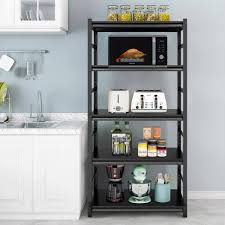
Struggling to find space in your kitchen? You’re not alone. Many of us feel overwhelmed by clutter, wishing for more room to organize spices, ingredients, and cookware.
A well-placed storage shelf can transform a cramped kitchen into a functional haven. This guide will help you understand the factors influencing the kitchen storage shelf price so you can make an informed decision. We’ll break down what goes into the cost, explore different options, and help you find the perfect shelf for your budget and needs.
Key Takeaways
- Material type significantly impacts the final cost of a kitchen storage shelf.
- Size and design complexity will affect the overall price you pay.
- Brand reputation and where you purchase the shelf can influence its price.
- Installation costs are a factor to consider in addition to the shelf’s purchase price.
- DIY options can offer significant savings compared to pre-assembled shelves.
- Long-term durability and quality often justify a higher initial investment.
Understanding Kitchen Storage Shelf Price
The price of a kitchen storage shelf can vary widely. Factors like the materials used, the size, the brand, and the features all play a role. This section will explore these core elements that shape how much you can expect to spend.
We aim to give you a clear picture so you can budget wisely and find a shelf that fits your needs and your wallet.
Materials and Their Cost Impact
The material chosen for a kitchen storage shelf is one of the biggest drivers of its price. Different materials offer varying levels of durability, aesthetics, and maintenance requirements, all of which are reflected in the cost. Understanding these differences helps in making a choice that balances budget with longevity and style.
- Wood shelves offer a classic and warm look. Solid wood, such as oak or maple, is more expensive due to its durability and natural beauty. Plywood or particleboard shelves, often with a veneer, are more budget-friendly options. The finish applied to wood also adds to the cost, with lacquers and stains being more costly than simple paint.
- Metal shelves, particularly stainless steel or powder-coated steel, are known for their strength and modern appearance. Stainless steel is a premium material and commands a higher price. Steel with a powder coating is more affordable and offers a good balance of durability and cost. Wire shelving, often used for pantries, is typically the most economical metal option.
- Plastic shelves are generally the least expensive. They are lightweight, easy to clean, and often used for utility purposes. However, they may not be as durable or aesthetically pleasing as wood or metal for visible kitchen areas. Heavy-duty plastic can offer better longevity but will increase the price.
- Glass shelves provide a sleek, contemporary look and can make a kitchen feel more open. Tempered glass is used for safety and durability, and its price reflects these qualities. The thickness of the glass also influences the cost, with thicker shelves being more expensive.
For example, a simple pine wood shelf might cost between $20-$50, while a solid oak shelf with custom stain and finish could range from $100-$300 or more. A basic wire shelving unit might be as low as $30-$70, whereas a heavy-duty stainless steel shelving unit could easily exceed $200-$500.
Size and Design Complexity
Beyond the material, the physical dimensions and the intricacy of the shelf’s design significantly affect the kitchen storage shelf price. Larger shelves naturally require more material, increasing their cost. Intricate designs, such as shelves with multiple tiers, built-in dividers, or decorative elements, also add to the manufacturing complexity and thus the price tag.
- Dimensions matter greatly. A long, deep shelf will cost more than a short, shallow one because it uses more raw material. Consider the available wall space and the items you intend to store when deciding on size, as this directly impacts cost.
- Multi-tiered shelves are ideal for maximizing vertical space but are inherently more complex to construct. Each additional shelf level adds material and assembly time, driving up the price. A two-tier shelf will be more expensive than a single shelf of the same length and depth.
- Integrated features like drawer units, spice racks, or utensil holders add to the design complexity. These additions require more components and more intricate assembly, leading to a higher overall cost compared to a simple open shelf.
- Open versus closed shelving also influences price. Open shelves are generally less expensive as they have fewer components. Closed cabinets or shelves with doors involve additional hardware like hinges and door fronts, increasing both material and labor costs.
A single 24-inch floating shelf made of basic wood might cost around $30-$60. However, a 48-inch, three-tier shelf with decorative brackets could easily cost $150-$300. A modular shelving system designed for a pantry, offering adjustable shelves and a larger footprint, might range from $100 to $500 or more, depending on its configuration and materials.
Brand and Retailer Influence
The manufacturer of the kitchen storage shelf and the retailer where you purchase it can also have a notable impact on the price. Well-known brands often carry a premium due to their reputation for quality, design, or customer service. Similarly, different retailers may have varying pricing strategies, sales, or markup percentages.
- Established brands, especially those specializing in kitchen organization or high-end cabinetry, often have higher prices. They might invest more in research, development, and marketing, which is reflected in their product cost. These brands might also offer extended warranties or superior customer support.
- Discount retailers or online marketplaces may offer lower prices. This can be due to lower overhead costs, bulk purchasing, or direct-from-manufacturer sourcing. However, it’s important to compare quality and read reviews to ensure you are getting good value.
- Specialty stores or custom furniture makers will generally charge more for their products. They offer bespoke designs, premium materials, and personalized service, which commands a higher price. This option is ideal for those with very specific needs or a desire for unique, high-quality pieces.
For instance, a shelf from a designer kitchen brand might be priced at $150, while a functionally similar shelf from a budget-friendly home goods store could be found for $40. Online retailers often compete on price, so comparing offers across platforms is a good strategy to find competitive kitchen storage shelf price points.
Installation and Additional Costs
The purchase price of a kitchen storage shelf is not always the final cost. Installation can add a significant expense, especially if you hire a professional. The complexity of the installation and the type of shelf will determine these additional costs.
Understanding these potential expenses helps in creating a realistic budget.
- DIY installation can save money. If you are comfortable with basic tools and techniques, you can often install shelves yourself. However, you might need to purchase tools or mounting hardware not included with the shelf, which adds a small cost.
- Hiring a handyman or contractor for installation will increase the overall cost. Rates vary by location and the time required. For simple shelves, this might be a relatively small fee, but for more complex systems or custom installations, it can add substantially to the total expenditure.
- Wall type can also affect installation costs. Drywall requires anchors or mounting into studs, while plaster or tile might need specialized drilling techniques and hardware, potentially increasing labor costs.
- Modular or integrated shelving systems might require professional assembly and installation to ensure stability and proper function, adding to the expense.
A simple floating shelf might cost $30 for the shelf and require about $5-$10 for mounting hardware if you DIY. Hiring someone to install it might add another $50-$150. For a large pantry shelving unit, the shelf itself could be $200, but professional installation could easily add another $100-$300.
Types of Kitchen Storage Shelves and Their Price Ranges
The market offers a wide variety of kitchen storage shelves, each suited for different needs and budgets. Understanding the common types and their typical price ranges can help you narrow down your options and make a more informed choice. From floating shelves to pantry units, each has its unique cost profile.
Floating Shelves
Floating shelves offer a minimalist and modern look, appearing to float on the wall without visible brackets. They are excellent for displaying decorative items or storing frequently used spices and small appliances. The price for floating shelves varies based on material, length, and the quality of the mounting system.
- Materials for floating shelves include solid wood (pine, oak, walnut), MDF, and sometimes metal. Solid wood options are generally more expensive.
- Size is a major cost factor. A 2-foot pine floating shelf might cost $30-$70, while a 4-foot oak version could be $80-$150 or more.
- The internal mounting bracket system is crucial for stability and can influence the price. High-quality brackets that provide strong support are essential for heavier items.
A typical price range for a single floating shelf is $30 to $150, depending on the factors mentioned. For example, a basic 24-inch MDF floating shelf could be $30, whereas a 36-inch solid walnut floating shelf with a robust bracket system might be $120.
Wall-Mounted Shelving Units
Wall-mounted shelving units are more traditional and offer greater storage capacity than floating shelves. They can range from simple open shelves to more elaborate units with drawers or cabinets. Their price is influenced by size, material, and the number of compartments or features they possess.
- These units can be made from wood, laminate, metal, or a combination. Metal units, especially those designed for heavy loads, tend to be more durable and often more expensive.
- The number of shelves and the overall dimensions are key determinants of price. A two-shelf unit will be less expensive than a four-shelf unit of the same width.
- Features like dividers, back panels, or integrated spice racks add to the complexity and cost.
A simple two-shelf wood or laminate unit might range from $50 to $150. More complex units with multiple shelves and a larger footprint could cost $150 to $400. For example, a 36-inch wide, two-tier laminate shelf unit could cost around $70, while a 48-inch wide, four-tier heavy-duty metal shelving unit might be $200.
Pantry Shelving Systems
Pantry shelving systems are designed to maximize storage in dedicated pantry spaces. They are often modular and can be configured to fit various pantry dimensions. These systems prioritize functionality and durability, making them a popular choice for food storage.
- Materials often include sturdy wire, metal, or reinforced laminate. Wire shelving is popular for its affordability and ventilation properties.
- The price depends on the size of the pantry, the number of shelves, and whether it’s a custom-designed system or a standard kit.
- Modular systems offer flexibility, allowing users to add or reconfigure shelves as needed, but the initial investment can be higher for a complete setup.
Basic wire shelving kits for a small pantry can start around $50-$100. Larger, more elaborate systems, or those made from heavy-duty metal or custom wood, can range from $200 to $800 or more. A 5-foot long, 16-inch deep wire shelving kit might be $90, whereas a custom-configured metal shelving system for a walk-in pantry could cost upwards of $500.
Corner Shelves and Specialty Units
Corner shelves are designed to utilize often-underused corner spaces in kitchens. Specialty units include things like pull-out shelves, over-the-sink shelves, or magnetic knife racks. These solutions target specific organizational challenges and their pricing reflects their specialized design.
- Corner shelves can be triangular, quarter-round, or even designed to fit diagonally into a corner. Their installation can sometimes be more complex, potentially affecting cost if professional help is needed.
- Specialty units often incorporate moving parts (like pull-out shelves) or unique mechanisms (like magnetic strips), which increase manufacturing costs.
- Materials are similar to other shelves—wood, metal, plastic—but the unique shapes or functionalities can drive up the price.
A simple wooden corner shelf might cost $20-$60. More elaborate rotating corner shelves or pull-out drawer systems can range from $100 to $300. For example, a small wooden corner shelf unit could be $40, while a fully rotating tiered corner shelving unit might be $150.
A set of three pull-out drawer organizers for lower cabinets could cost around $120.
Factors Affecting Kitchen Storage Shelf Price
Several key factors contribute to the overall price of a kitchen storage shelf. Understanding these elements allows for a more precise evaluation of value and a better decision-making process when shopping. From the inherent quality of the materials to the finishing touches, each aspect adds to the final cost.
Quality of Materials and Construction
The durability and aesthetic appeal of a kitchen storage shelf are directly linked to the quality of the materials used and how well it is constructed. Higher-quality materials, such as solid hardwoods or heavy-gauge steel, along with superior craftsmanship, naturally lead to a higher kitchen storage shelf price.
- Solid wood (oak, maple, cherry) is more expensive than particleboard or MDF, but it is more durable and can be refinished.
- Metal shelves made from thicker gauge steel or stainless steel are more robust and costly than thinner gauge or wire shelves.
- Joinery techniques are important for wood shelves. Dovetail joints, for instance, are stronger and more labor-intensive than simple butt joints, increasing cost.
- Finishes play a role. High-quality lacquers or multiple coats of paint offer better protection and appearance than single coats of lower-grade paint.
For instance, a shelf made from sustainably sourced, kiln-dried hardwood will be more expensive than a shelf made from reclaimed lumber or engineered wood. The difference in longevity and resistance to warping or damage justifies the higher investment.
Durability and Longevity
When evaluating the kitchen storage shelf price, consider the shelf’s expected lifespan. A more expensive shelf made from durable materials and with robust construction may offer better long-term value than a cheaper, less durable alternative that needs frequent replacement.
- Shelves designed for heavy loads will typically use stronger materials and reinforced construction methods, increasing their initial cost but ensuring they won’t sag or break under pressure.
- Resistance to moisture and heat is critical in a kitchen environment. Materials that are treated or naturally resistant to these elements, like certain types of sealed wood or stainless steel, will be more durable and thus pricier.
- The finish applied to a shelf also contributes to its durability. A waterproof seal on a wooden shelf, for example, prevents damage from spills and humidity, extending its life.
A prime example is comparing a particleboard shelf with a laminate finish to a solid wood shelf with a waterproof sealant. The particleboard option might cost $20, but it could warp or degrade within a few years in a humid kitchen. The solid wood option might cost $80 but could last for decades with proper care.
Design and Aesthetic Appeal
The visual impact of a kitchen storage shelf is a significant factor in its pricing. Shelves with unique designs, intricate detailing, or a high-end aesthetic appeal will command a higher price. This is especially true for shelves intended to be a decorative element rather than just a functional storage solution.
- Custom designs or shelves from renowned furniture designers will be more expensive than mass-produced options.
- Decorative elements, such as carved edges, unique bracket designs, or specialized finishes (like distressed or high-gloss), add to the manufacturing cost and aesthetic value.
- The overall style—modern, rustic, industrial, traditional—can also influence the price, with certain styles requiring more specialized materials or craftsmanship.
Consider a sleek, minimalist floating shelf versus a rustic, reclaimed wood shelf with hand-forged metal brackets. The latter, with its artisanal touches and unique character, will likely have a higher kitchen storage shelf price, reflecting the craftsmanship and materials involved.
Brand Reputation and Manufacturing Origin
The brand behind a kitchen storage shelf can significantly influence its price. Well-established brands that have built a reputation for quality, innovation, or superior customer service often charge a premium for their products. The origin of manufacturing can also play a role.
- Companies known for high-end kitchen fixtures or custom cabinetry may have higher price points due to their perceived quality and exclusivity.
- Products manufactured in regions with higher labor costs or stricter quality control standards may also be more expensive.
- Marketing and branding efforts by a company contribute to the perceived value of their products, allowing them to command higher prices.
For example, a shelf from a luxury European kitchen brand might cost several hundred dollars, while a comparable shelf from a domestic budget brand could be less than fifty dollars. The underlying quality might be similar in some cases, but brand perception and origin are powerful pricing factors.
Assembly and Installation Requirements
The ease or difficulty of assembling and installing a kitchen storage shelf directly impacts its overall cost, either through DIY effort or professional services. Shelves that require complex assembly or specialized installation will generally have a higher price tag.
- “Ready-to-assemble” (RTA) shelves are common and usually more affordable than fully assembled units, as they save on manufacturing labor costs. However, they require the customer’s time and effort to put together.
- Shelves that come with pre-drilled holes and clear instructions are easier for DIY installation. Shelves that require precise alignment or specialized tools will incur higher costs if professional installation is sought.
- Integrated or built-in shelving systems often require professional installation to ensure proper fit and structural integrity, adding to the overall expense.
A simple shelving unit that snaps together easily might be less than $50 and can be installed in under an hour by most people. A complex modular system requiring custom cuts or professional mounting might have a shelf price of $300, with installation costs adding another $200-$500.
Tips for Finding Affordable Kitchen Storage Shelf Options
Finding a great kitchen storage shelf doesn’t always mean spending a lot of money. There are numerous ways to secure functional and stylish shelving solutions without breaking the bank. By being strategic and resourceful, you can enhance your kitchen’s organization effectively and affordably.
DIY and Upcycling Projects
Embracing a do-it-yourself (DIY) approach or upcycling existing materials can lead to significant savings on kitchen storage shelves. This method not only reduces costs but also allows for customization and a personal touch.
- Repurposing materials like old wooden planks, crates, or even sturdy drawers can create unique and budget-friendly shelves.
- Simple woodworking projects for shelves are very achievable with basic tools. Many online tutorials demonstrate how to build basic shelves from affordable lumber.
- Painting or staining old shelves can give them a fresh, new look, making them blend seamlessly with your kitchen decor.
For example, using reclaimed pallet wood to build a rustic wall shelf can cost as little as $20-$30 for hardware and finishing supplies, compared to buying a similar pre-made shelf for $70-$100. A common DIY project involves using simple pine boards and metal pipes for an industrial-style shelf, costing about $40-$60.
Shopping Sales and Discount Retailers
Keeping an eye out for sales events and shopping at discount retailers are excellent strategies for finding lower kitchen storage shelf price points. Many stores offer significant markdowns during seasonal sales or have dedicated sections for clearance items.
- Major holidays like Black Friday, Cyber Monday, and even end-of-season sales often feature deep discounts on home goods, including shelving.
- Discount retailers, outlet stores, and warehouse clubs can offer shelves at considerably lower prices than traditional department stores.
- Online marketplaces often have flash sales or daily deals that can present excellent opportunities to purchase shelving at a reduced cost.
Purchasing a shelf during a 50% off home decor sale can halve the original price. For instance, a $100 shelving unit might be purchased for $50 during a holiday sale. Browsing discount stores regularly can also uncover hidden gems at a fraction of their retail price.
Comparing Online Prices
The internet provides a vast marketplace where prices for identical or similar items can vary significantly. Diligently comparing prices across different online retailers is a smart way to ensure you get the best possible kitchen storage shelf price.
- Use price comparison websites and browser extensions to automatically check prices from multiple vendors.
- Look for coupon codes and promotional offers on retailer websites or through affiliate sites before finalizing a purchase.
- Consider the shipping costs, as these can sometimes negate the savings from a lower base price. Some retailers offer free shipping on orders above a certain amount.
For example, a particular shelving unit might be listed for $60 on one website and $45 on another. By comparing, you save $15. Adding a coupon code for an extra 10% off the lower price further reduces the cost, demonstrating the power of online price comparison.
Considering Used or Refurbished Options
Used or refurbished kitchen storage shelves can offer substantial savings. These items are often still in good condition and provide a functional solution at a fraction of the cost of new products.
- Online marketplaces, local classifieds, and antique or second-hand furniture stores are good places to look for used shelves.
- Refurbished items have been repaired, cleaned, and restored to good working order, often by the manufacturer or a specialized company, and are sold at a discount.
- Inspect used items carefully for any damage, wear, or missing parts before purchasing to ensure they meet your needs.
A high-quality, solid wood shelf that might cost $200 new could be found for $80-$100 used, or $120-$150 refurbished, offering significant savings while retaining much of its original value and quality.
Common Myths Debunked
Myth 1: All cheap kitchen storage shelves are poor quality.
Reality: While some inexpensive shelves might be made with lower-grade materials, not all budget options are poor quality. Many retailers offer affordable shelves made from durable materials like laminate or sturdy metal. The key is to research the product, read reviews, and check the specifications carefully.
Sometimes, simpler designs using cost-effective but strong materials can offer great value without compromising on quality.
Myth 2: You need professional installation for all kitchen shelves.
Reality: Many kitchen storage shelves, especially floating shelves, modular units, and basic wall-mounted options, are designed for straightforward DIY installation. With basic tools like a drill, level, and screwdriver, most homeowners can successfully install them. Professional installation is generally only necessary for very complex, custom, or heavy-duty systems that require specialized mounting techniques or significant structural work.
Myth 3: Open shelving is always cheaper than closed cabinets.
Reality: While open shelves generally have fewer components than cabinets, this isn’t always the case. A high-end, custom-designed open shelving system made from premium wood with intricate brackets could easily be more expensive than a standard, mass-produced cabinet. The cost depends on the materials, design complexity, and craftsmanship involved for both open and closed storage solutions.
Myth 4: All stainless steel shelves are prohibitively expensive.
Reality: While high-quality stainless steel can be a premium material, there are more affordable options available. The grade of stainless steel, the thickness of the material, and the complexity of the design all influence the price. Smaller stainless steel shelves, or those with simpler designs, can be more accessible budget-wise than one might assume, especially when found during sales.
Frequently Asked Questions
Question: What is a typical price range for a basic wall-mounted kitchen shelf?
Answer: A basic wall-mounted kitchen shelf made from laminate or simple wood can typically range from $20 to $70, depending on its size and design.
Question: Are custom kitchen storage shelves significantly more expensive?
Answer: Yes, custom kitchen storage shelves are generally more expensive due to the personalized design, material selection, and labor involved, often starting at $150 and going up significantly.
Question: Does the installation hardware add much to the kitchen storage shelf price?
Answer: The cost of installation hardware is usually minimal, typically $5-$20, unless specialized or heavy-duty mounting systems are required for very heavy items.
Question: Where can I find the best deals on kitchen storage shelves?
Answer: You can find good deals at discount retailers, during major sales events, by comparing prices online, or by considering DIY and used/refurbished options.
Question: How does the depth of a shelf affect its price?
Answer: Deeper shelves generally cost more because they require more material. However, the impact of depth on price is often less significant than the length or material of the shelf.
Wrap Up
Choosing the right kitchen storage shelf involves balancing your budget with your needs for space and style. By understanding the factors that influence kitchen storage shelf price, like material, size, brand, and installation, you can make a smart purchase. Explore different types of shelves, look for sales, and consider DIY options.
You can find solutions that organize your kitchen beautifully without overspending.