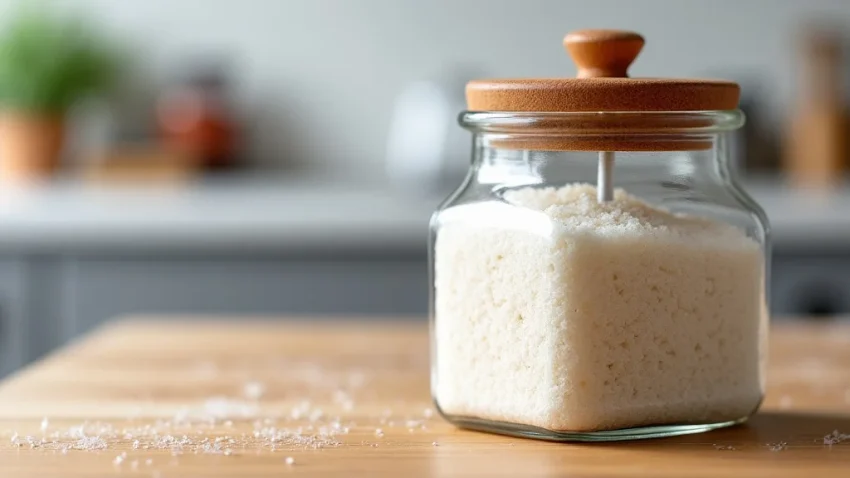
Ever found yourself staring at your pantry, wondering if that old cookie tin is really the best way to store your sugar? You’re not alone. Many of us think about the aesthetics and functionality of kitchen items, but often overlook the practicalities like how much a good sugar container might cost.
This guide will help you explore the various factors that influence the kitchen sugar container price, ensuring you make an informed decision for your kitchen.
Key Takeaways
- Different materials significantly impact the cost of a sugar container.
- Size and capacity play a role in determining the final price.
- Brand reputation and design aesthetics can increase a container’s price.
- Special features like airtight seals or included scoops affect the overall cost.
- Where you purchase a sugar container can influence its price.
Understanding Kitchen Sugar Container Price Factors
The price of a kitchen sugar container can vary quite a bit. This variation isn’t random; it’s driven by several key elements that affect how much you’ll spend. Understanding these elements will empower you to find a container that fits your budget and your needs perfectly.
We’ll look at materials, size, brand, and extra features that all contribute to the final cost.
Materials Affecting Sugar Container Cost
The material from which a sugar container is made is a primary driver of its cost. Each material offers different durability, aesthetic appeal, and practical benefits, which translates directly to price differences. Cheaper materials might suffice for basic storage, while premium options offer longevity and a touch of elegance.
- Glass Containers: Glass containers are popular for their transparency, allowing you to see the sugar level at a glance. They are also non-reactive, meaning they won’t affect the taste of your sugar. However, glass can be fragile, and high-quality, thick glass will naturally cost more than thinner, cheaper alternatives. Decorative glass designs or sets with matching lids can also increase the price. A basic glass sugar jar might start around $10, while a set with intricate detailing could reach $30 or more.
- Stainless Steel Containers: Stainless steel offers excellent durability and a modern look. It’s resistant to rust and corrosion, making it a long-lasting choice. The grade of stainless steel used can influence the price; higher grades are more expensive but offer better quality. Airtight stainless steel containers with a brushed or polished finish tend to be in the mid-to-high price range, often between $15 and $40.
- Ceramic Containers: Ceramic sugar canisters often bring a classic, farmhouse, or decorative charm to the kitchen. They can be very appealing visually and usually come with well-fitting lids. The artistry and design of the ceramic, as well as the quality of the glaze, will dictate the price. Simple ceramic jars might be found for $12-$25, while hand-painted or designer pieces can easily cost $50 or more.
- Plastic Containers: Plastic containers are typically the most budget-friendly option. They are lightweight and often shatter-resistant. However, the quality of plastic can vary greatly. Cheaper plastics may not be as durable or may impart an odor to the sugar. BPA-free, high-quality plastics designed for food storage will be more expensive, typically ranging from $8 to $20 for a decent container.
- Other Materials: Some containers might incorporate other materials like bamboo lids for a natural touch, or unique finishes. These can add to the overall cost depending on the rarity and processing of the material.
Size and Capacity Considerations
The amount of sugar a container can hold is a significant factor in its price. Larger containers naturally require more material, which increases manufacturing costs. Beyond the sheer volume, the intended use can also influence perceived value and price.
A small, individual sugar bowl for a tea set might be inexpensive, perhaps $5-$15, because its capacity is minimal and its function is specific. On the other hand, a large countertop canister designed to hold a family-sized bag of sugar (2-5 pounds) will be more costly. These larger containers need to be sturdier, often feature more robust lids, and use more material.
A 3-pound capacity stainless steel or ceramic canister could easily range from $20 to $50. Think about how much sugar you typically use and store; buying a container that’s too small can be frustrating, while one that’s excessively large might take up unnecessary counter space and cost more upfront.
Brand Reputation and Design Aesthetics
Just like with any product, the brand name and the design of a kitchen sugar container can significantly influence its price. Established kitchenware brands often charge a premium for their perceived quality, reliability, and warranty. These brands invest in product development, safety testing, and marketing, which is reflected in the price tag.
Designer collaborations or containers with unique, artistic designs will also command higher prices. These items are often seen as decorative pieces as much as functional storage. For instance, a plain glass jar might cost $10, but a similar-sized jar from a well-known kitchenware designer with a unique etched pattern or a specially crafted lid could be $40 or more.
Some brands specialize in specific aesthetics, like minimalist, rustic, or vintage, and their pricing will reflect the perceived value of that style.
Special Features and Their Impact on Price
Many sugar containers come with additional features designed to enhance their usability and effectiveness. These features often add to the overall kitchen sugar container price but can be well worth the investment for the convenience they provide.
- Airtight Seals: The most common and perhaps most important feature is an airtight or vacuum-sealed lid. This keeps sugar fresh, prevents clumping due to humidity, and deters pests. Containers with high-quality silicone or rubber seals that provide a truly airtight closure will usually be more expensive than those with simple friction-fit lids. Expect to pay an extra $5-$15 for a genuinely effective airtight seal compared to a basic lid.
- Included Scoops or Spoons: Some canisters come bundled with a matching scoop or spoon. This adds value and ensures you have a dedicated utensil for measuring sugar without contaminating the main supply. The cost of the container will reflect the inclusion of this accessory, often adding $3-$8 to the price.
- Stackable Designs: For kitchens where space is limited, stackable containers offer a practical solution. These are engineered to fit securely on top of each other, maximizing vertical storage. The precision engineering required for stackable designs can increase the manufacturing cost and thus the retail price.
- Non-Slip Bases: A non-slip base, often made of rubber or silicone, prevents the container from sliding around on countertops, especially when scooping sugar. This small but useful feature can add a few dollars to the cost.
Where You Buy Affects the Kitchen Sugar Container Price
The retail environment where you purchase a kitchen sugar container also plays a role in its price. Different types of stores and online platforms have varying overhead costs, pricing strategies, and product selections.
- Department Stores and Home Goods Stores: These stores often carry a wide range of brands and price points. You can find everything from budget-friendly options to mid-range and high-end designer pieces. Prices here can be competitive, especially during sales events. A typical price range for a decent container might be $12-$40.
- Specialty Kitchenware Stores: These shops focus on high-quality kitchen tools and gadgets. You’re likely to find premium brands and unique designs here, but prices will generally be higher than at general retailers. Expect to pay $25-$75 or more for a container from a specialty store.
- Online Retailers (e.g., Amazon, Wayfair): Online platforms offer immense variety and often competitive pricing due to lower overhead. You can easily compare prices from multiple sellers and read reviews. However, be mindful of shipping costs, which can affect the total price. Prices can range from $10 to $60+, depending on the specific product and seller.
- Discount Stores and Supermarkets: These locations often carry basic, more affordable options. You might find functional, no-frills sugar containers here for $8-$20, but the selection of premium or designer items will be limited.
Comparing Kitchen Sugar Container Prices and Features
To help you visualize the differences, let’s compare a few hypothetical sugar container options. This comparison will highlight how the combination of material, size, and features influences the kitchen sugar container price. We’ll consider what you get for your money in each scenario.
| Type | Material | Capacity | Key Features | Estimated Price Range |
|---|---|---|---|---|
| Basic | Plastic | 1 lb | Simple snap-on lid | $8 – $15 |
| Standard | Glass | 2 lbs | Airtight silicone seal, clear visibility | $15 – $30 |
| Premium | Stainless Steel | 3 lbs | Airtight seal, brushed finish, anti-fingerprint | $25 – $50 |
| Decorative | Ceramic | 2.5 lbs | Well-fitting lid, decorative pattern, stable base | $30 – $60+ |
| Functional Set | Metal with Bamboo Lid | 1.5 lbs | Airtight seal, includes scoop, stackable design | $35 – $55 |
As you can see, the price scales with both the quality of the material and the included functionalities. A plastic container is the most affordable, ideal for those on a strict budget or needing a temporary solution. Glass offers a good balance of aesthetics and functionality for its price, especially if you prefer seeing your sugar levels.
Stainless steel is a durable, modern choice that often comes with excellent sealing capabilities, justifying its higher price. Ceramic containers are best for those who prioritize kitchen decor and are willing to pay more for a decorative piece. Finally, a functional set might seem pricier upfront, but the inclusion of a scoop and stackable design adds significant value and convenience.
Real-Life Examples of Kitchen Sugar Container Value
To illustrate the practical application of these price factors, consider a few scenarios. These examples show how different needs lead to different choices and price points for kitchen sugar containers.
-
Scenario 1: The Budget-Conscious Baker
Sarah bakes cookies twice a month and needs a reliable way to store her sugar. She doesn’t want to spend a lot. She opts for a durable, BPA-free plastic canister with a good seal from a discount store for $12. It holds 2 pounds of sugar, keeps it fresh, and fits neatly in her pantry. She values function over form and finds this to be excellent value for her needs. -
Scenario 2: The Design-Focused Home Chef
Mark enjoys entertaining and wants his kitchen to look as good as his food. He buys a beautiful ceramic sugar canister with a hand-painted floral design and a tight-fitting lid from a specialty kitchen store for $55. It holds 2.5 pounds of sugar and serves as a decorative accent on his countertop. For him, the aesthetic appeal and brand quality justify the higher kitchen sugar container price. -
Scenario 3: The Everyday User Seeking Durability
The Ramirez family goes through a good amount of sugar for their morning coffee and tea. They decided on a 3-pound stainless steel canister with an airtight seal from an online retailer for $38. They appreciate its modern look, how easy it is to clean, and the fact that it will last for many years. This option represents a solid long-term investment for their daily needs.
Common Myths Debunked
Myth 1: All airtight containers are the same
This is not true. While many containers claim to be airtight, the quality of the seal can vary dramatically. Simple friction-fit lids might offer some protection, but true airtightness usually requires a well-designed silicone or rubber gasket that creates a vacuum seal.
A container with a superior seal will generally cost more due to the quality of materials and design needed to achieve effective closure, keeping sugar fresher and clump-free for longer periods.
Myth 2: Plastic containers are always bad for sugar
While some lower-quality plastics can leach odors or chemicals, high-quality, BPA-free plastics are perfectly safe and can be a cost-effective choice. Many reputable brands use food-grade plastics that are durable, lightweight, and easy to clean. The key is to look for certifications like BPA-free and to choose containers from trusted manufacturers.
These can offer excellent value without compromising safety or functionality, making the kitchen sugar container price very accessible.
Myth 3: Bigger containers always mean a much higher price
While size is a factor, it’s not the only one. A large container made from cheap plastic might be less expensive than a smaller, high-quality stainless steel or ceramic one. The material, brand reputation, and additional features play a significant role.
Often, the price per pound of sugar capacity decreases as the container size increases, meaning larger containers can sometimes offer better value if you have the storage space.
Myth 4: Designer brands are never worth the extra cost
For some consumers, the premium paid for a designer brand is justified by superior craftsmanship, unique aesthetics, longer warranties, and excellent customer service. While a generic brand might offer similar basic functionality, designer pieces can enhance kitchen decor and provide a more satisfying user experience. If your budget allows and you value these aspects, a designer sugar container can be a worthwhile investment.
Frequently Asked Questions
Question: How much should I expect to pay for a good quality kitchen sugar container
Answer: A good quality kitchen sugar container with features like an airtight seal and durable material typically ranges from $15 to $40.
Question: Are glass sugar containers safe for storing sugar
Answer: Yes, glass containers are very safe as glass is non-reactive and doesn’t impart flavors. They are also easy to clean.
Question: What is the best material for a sugar container if I want it to last a long time
Answer: Stainless steel or high-quality ceramic are generally considered the most durable materials for long-term use.
Question: Do I really need an airtight seal on my sugar container
Answer: An airtight seal is highly recommended to keep sugar fresh, prevent clumping from moisture, and protect it from pests.
Question: Can the brand name of a sugar container influence its price
Answer: Yes, well-known brands often charge more due to their reputation for quality, design, and customer support.
Conclusion
The kitchen sugar container price depends on many factors. Materials like glass, steel, ceramic, and plastic all have different costs. Size and capacity also matter, with larger containers typically costing more.
Brand reputation and special features like airtight seals or scoops add to the price. Where you shop also affects what you pay. By considering these elements, you can find a container that balances your budget, needs, and kitchen style.