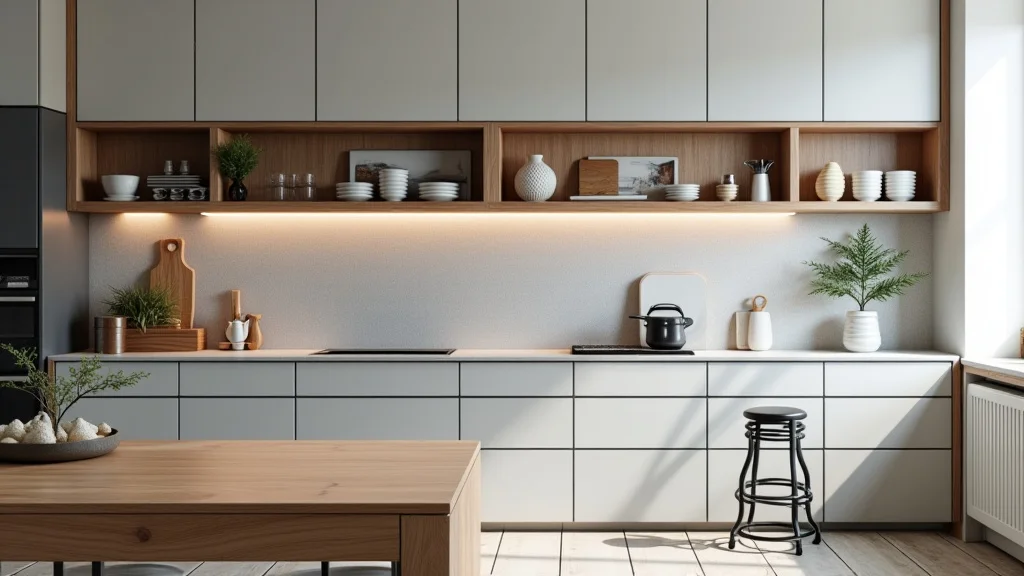
Imagine walking into your kitchen after a long day, ready to whip up a meal, only to be met by bare, uninspiring walls. It’s a common feeling, and one that many of us want to change. You’ve seen beautiful kitchens online, filled with art that sparks joy and adds personality, but you’re hesitant.
You wonder about the cost. How much should you expect to pay for kitchen wall art? This post will break down the factors influencing kitchen wall art price, so you can make informed decisions and find pieces that fit your budget and style, making your kitchen a space you truly love.
Key Takeaways
- Different materials significantly impact the cost of kitchen wall art.
- The size and complexity of a piece play a vital role in its price.
- Brand reputation and artist fame can increase kitchen wall art price.
- Framing and finishing options add to the overall expense.
- Discovering affordable options involves smart shopping and considering alternatives.
Factors Influencing Kitchen Wall Art Price
The cost of kitchen wall art is not a single, fixed number. It’s a spectrum that varies widely based on several key elements. Understanding these elements empowers you to set a realistic budget and identify pieces that offer the best value for your money.
From the materials used to the artist behind the work, each component contributes to the final price tag.
Materials and Mediums
The base material of your kitchen wall art is a primary driver of its price. Canvas prints, for example, are generally more affordable than original oil paintings.
-
Canvas Prints
Canvas prints are a popular choice due to their versatility and relatively lower cost. These are typically reproductions of existing artwork or photographs printed onto stretched canvas. The quality of the canvas itself, the inks used for printing, and the resolution of the original image all affect the price.
High-quality, archival inks and durable canvas will cost more but offer better longevity and color vibrancy. Standard sizes are usually quite budget-friendly, making them accessible for most homeowners.
-
Metal Prints
Metal prints offer a modern, sleek look, often with vibrant colors and a glossy finish. The process involves printing an image directly onto aluminum or other metal sheets. This technique can be more expensive than canvas printing because it requires specialized equipment and materials.
The thickness of the metal and any protective coatings also influence the final cost. Metal prints are known for their durability and resistance to fading, making them a good investment for a kitchen environment where humidity and light can be factors.
-
Acrylic Prints
Acrylic prints provide a similar contemporary feel to metal prints, with images printed behind a clear acrylic sheet. This gives the artwork a sense of depth and luminescence. The quality of the acrylic, its thickness, and the printing method used all impact the price.
Acrylic is less prone to shattering than glass, making it a safer option for some spaces. The polished edges and the way light interacts with the material contribute to its premium cost.
-
Wood Prints
Wood prints bring a natural, rustic, or bohemian charm to a kitchen. Images are printed directly onto wooden planks or panels. The type of wood used, its grain pattern, and any finishing treatments (like sealing or staining) will affect the price.
Reclaimed wood or exotic hardwoods will naturally be more expensive than common pine or birch. The size and whether the wood is a single piece or multiple joined planks also play a role.
-
Framed Prints
When you choose a framed print, the cost of the frame itself is added to the price of the artwork. Frames come in a vast array of materials, styles, and finishes, from simple, inexpensive wood or plastic to ornate, custom-made metal or solid wood designs. The width and depth of the frame, as well as the type of wood or metal used, will significantly influence the overall kitchen wall art price.
Even a basic mat board inside the frame adds to the cost.
-
Original Artworks
Original paintings, drawings, or mixed-media pieces are typically the most expensive category of kitchen wall art. The price here is dictated by the artist’s reputation, the medium used (oil, watercolor, acrylic), the size and complexity of the piece, and the demand for the artist’s work. Emerging artists might offer original works at more accessible prices, while established or famous artists can command very high prices.
The skill and time invested by the artist are reflected in the cost.
Size and Complexity
Larger pieces of art naturally require more materials and labor, thus increasing the kitchen wall art price. A small 8×10 inch print will cost less than a large 36×48 inch statement piece.
-
Scale of the Artwork
The dimensions of the artwork are a direct factor in its cost. A bigger canvas means more material, more ink or paint, and more time if it’s an original piece. For prints, the cost per square inch often decreases slightly with larger sizes, but the overall price will always be higher for larger formats.
Consider the wall space you have and what proportion would look best. Oversized pieces often serve as focal points, commanding a higher price due to their impact.
-
Detail and Technique
An artwork with intricate details, multiple layers of paint, or complex textures will typically cost more than a simpler design. For printed art, a high-resolution image is crucial for larger prints to avoid pixelation, and creating such images can be more labor-intensive. The complexity of the subject matter itself also plays a role; a detailed landscape might be priced higher than a minimalist abstract piece of the same size.
Artist and Brand Reputation
The name behind the art significantly influences its value. Well-known artists and reputable brands can command premium prices.
-
Established Artists
If an artist has a strong following, has been featured in galleries, or has a history of selling well, their work will naturally be priced higher. This is due to demand, the perceived value of their skill and unique style, and their established market presence. Collectors and art enthusiasts are often willing to pay more for a piece from a recognized artist.
-
Emerging Artists
Supporting emerging artists can be a great way to acquire unique pieces at more accessible prices. These artists are building their careers and portfolios, and their work often represents a fresh perspective. While they may not have the same market recognition as established artists, their creations can still be highly valuable and offer excellent artistic merit for the cost.
-
Brand Names and Designers
Some wall art is produced by established home decor brands or licensed by famous designers. These brands often invest in high-quality production and marketing, which is reflected in the kitchen wall art price. Art from a well-known designer can carry a premium simply due to the association with their brand and aesthetic.
Framing and Finishing Options
The way art is presented, particularly its frame, can dramatically alter the final cost. Custom framing adds a significant layer of expense.
-
Frame Materials and Styles
The choice of frame material is a major cost factor. Solid hardwoods like oak, walnut, or mahogany will be more expensive than engineered wood or plastic. Metal frames can also vary widely in price depending on the type of metal and the complexity of the design.
Ornate, hand-carved frames will always cost more than simple, contemporary profiles.
-
Matting
Matting, the cardboard-like material placed between the artwork and the frame, adds a layer of protection and aesthetic appeal. Acid-free mats are essential for preserving the artwork and are more expensive than standard mats. The width and number of mats used (e.g., double or triple matting) will also increase the price.
-
Glass or Acrylic Glazing
The protective layer covering the artwork, usually glass or acrylic, can also affect the price. Standard glass is the most affordable option. UV-protective glass or acrylic helps prevent fading from sunlight and is more expensive.
Museum-quality glass offers the highest clarity and protection but comes with a significant price tag. Acrylic is lighter and shatter-resistant, making it a good choice for kitchens but can also be costly depending on its quality.
-
Protective Coatings
Some prints, especially canvas or metal prints, may have protective coatings applied to enhance durability, provide a matte or glossy finish, or offer UV protection. These coatings add to the production cost and thus the final kitchen wall art price.
Edition Size (for Limited Editions)
For art prints, the number of editions available plays a role. Smaller edition sizes generally mean higher prices.
-
Limited Edition Prints
Limited edition prints are produced in a set number, for example, 100 or 500 copies. Once the edition is sold out, no more will be made. This scarcity increases their value and, consequently, their price.
Each print is often hand-signed by the artist and numbered, further enhancing its collectible appeal. The smaller the edition size, the rarer the print, and the higher the kitchen wall art price.
-
Open Edition Prints
Open edition prints are reproductions that are not limited to a specific number. They can be printed as needed, making them more widely available and significantly more affordable than limited editions. While they may not have the same investment potential, they offer a way to enjoy artwork at a lower cost.
Finding Affordable Kitchen Wall Art
You don’t need to spend a fortune to decorate your kitchen walls. Many avenues exist to find beautiful and budget-friendly art. Smart shopping and creative thinking can lead to stunning results.
DIY and Upcycling Options
Consider creating your own art or repurposing existing items. This is often the most cost-effective route.
-
Paint Your Own Abstract Art
You can buy inexpensive canvases and acrylic paints from a craft store and create your own abstract art. There are countless tutorials online demonstrating simple techniques. The cost of materials for several small pieces would likely be less than purchasing a single print.
This allows for complete creative control and a truly personal touch.
-
Frame Vintage Recipes or Prints
Old cookbooks often contain charming illustrations or vintage recipes that can be carefully removed and framed. You can also find free printable vintage art online. Mounting these on nice cardstock and placing them in affordable frames can create a unique and stylish display for your kitchen.
-
Collage and Mixed Media
Gather interesting materials like old maps, fabric scraps, magazine clippings, or even dried botanicals. Arrange and adhere them to a sturdy backing board or canvas. Seal the piece with a clear varnish.
This approach allows for immense creativity and can result in a richly textured and personal artwork at a very low cost.
Online Marketplaces and Sales
The internet offers a vast selection of art at various price points. Keep an eye out for deals.
-
Etsy and Independent Sellers
Platforms like Etsy are fantastic for finding unique art directly from artists. Many artists offer prints of their work at more affordable prices than original pieces. You can often communicate directly with the artist to discuss custom sizes or framing options, potentially getting a better deal.
Shopping here supports individual creators.
-
Discount Retailers and Home Decor Stores
Many large home decor retailers, both online and in physical stores, offer a wide selection of affordable wall art. Keep an eye on their seasonal sales, clearance sections, and holiday promotions. While the quality might not be comparable to fine art galleries, you can often find stylish pieces that suit your kitchen decor well.
-
Print-on-Demand Services
Some websites allow you to upload your own photos or choose from a library of designs to be printed on canvas, metal, or other materials. These services can be cost-effective, especially for larger pieces, as they often have competitive pricing and frequent discount codes. You might be able to get a large, custom piece at a fraction of the cost of a gallery equivalent.
Considering Alternatives to Traditional Art
Sometimes, other decorative items can serve the purpose of wall art and be more budget-friendly or practical.
-
Decorative Plates
Hanging a collection of decorative plates on the kitchen wall can create a charming, eclectic display. Vintage or artisan plates can be found at flea markets, antique shops, or even some home decor stores. Plate hangers are inexpensive and easy to use.
This offers a textured and visually interesting alternative to framed art.
-
Kitchen-Themed Posters or Prints
Search for posters or prints featuring culinary themes, vintage signage, or botanical illustrations of herbs and spices. These are often less expensive than fine art reproductions and can perfectly complement a kitchen’s ambiance. Many are available in standard frame sizes, making framing easy and affordable.
-
Tapestries or Wall Hangings
Fabric wall hangings or small tapestries can add warmth and texture to kitchen walls. These can range from inexpensive printed designs to more artisanal woven pieces. They offer a softer look than framed art and can help absorb sound in the room.
Look for washable materials if placed near cooking areas.
Understanding Pricing Structures
Pricing structures for kitchen wall art can seem complex, but they generally follow predictable patterns based on the factors mentioned earlier.
Retail Markup
When buying from a gallery or a large retailer, the kitchen wall art price includes a markup that covers their overhead costs, staff, marketing, and profit. This markup can be substantial, especially for established galleries.
-
Gallery Markups
Art galleries act as intermediaries between artists and buyers. They typically take a commission of 30-50% on the sale of an artwork. This commission covers their expenses, such as rent for gallery space, utilities, staffing, insurance, and marketing efforts to promote the artist.
This is why the price you see in a gallery is higher than what the artist might sell it for directly.
-
Online Retailer Pricing
Online art retailers often have lower overheads than physical galleries, which can sometimes translate to lower prices. However, they still factor in costs for warehousing, website maintenance, marketing, shipping, and their profit margin. Prices on these platforms can vary widely depending on the retailer’s business model and target audience.
Artist Pricing Direct
Purchasing directly from an artist, either through their website, studio, or at an art fair, can often result in a lower kitchen wall art price because the intermediary markup is removed.
-
Studio Sales and Art Fairs
Attending local art fairs or visiting artist studios can be excellent opportunities to buy art directly. Artists are often more flexible with pricing in these settings, and you can have a conversation with the creator about their work. You might find unique pieces at prices significantly lower than what you would find in a gallery, as the artist keeps a much larger portion of the sale.
-
Artist Websites
Many artists now sell their work directly through their own websites. This provides them with a direct channel to customers and allows them to set their prices without gallery commissions. This can be a great way to discover new talent and acquire pieces at a fair price, often including detailed descriptions and the artist’s story.
Example Pricing Scenarios
To illustrate, let’s consider a few scenarios for kitchen wall art price.
-
Scenario 1: Budget-Friendly Canvas Print
You’re looking for a vibrant, abstract canvas print for a small kitchen nook. You find a 16×20 inch print from an online retailer during a 20% off sale. The original price was $60. After the discount, you pay $48 plus shipping. This includes the cost of printing, canvas material, and a basic gallery wrap finish. -
Scenario 2: Mid-Range Framed Print
You want a slightly larger framed print, perhaps a charming illustration of kitchen herbs. You choose a 24×30 inch print with a simple, black wooden frame and a single white mat from a popular home decor store. The print itself costs $75, and the framing adds another $50, bringing the total kitchen wall art price to $125. -
Scenario 3: Investment Piece from an Emerging Artist
You fall in love with a small, original watercolor painting (12×16 inches) of a still life by an emerging artist you discovered at a local art market. The artist is asking $300 for the piece, which is unframed but comes with a certificate of authenticity. You decide to frame it later at a custom frame shop, which might add another $150-$250 depending on your choices. The total investment could range from $450 to $550.
Common Myths Debunked
Myth 1: Kitchen wall art is always expensive
This is far from true. While high-end original art can be costly, there are countless affordable options available. DIY projects, prints from online marketplaces, and sales at home decor stores can provide beautiful art without breaking the bank.
The kitchen wall art price can fit nearly any budget with careful searching.
Myth 2: You need a big budget to make your kitchen walls look good
A significant budget is not a prerequisite for stylish kitchen walls. Thoughtful curation, creative solutions like framing vintage recipes, or even well-placed decorative items can transform a space. Focus on pieces that resonate with you and complement your existing decor.
Even a single, impactful piece can make a difference.
Myth 3: All prints are created equal
The quality of prints can vary significantly. The type of paper or canvas used, the ink quality (archival vs. standard), and the printing resolution all affect the final look and longevity of the print.
Higher-quality prints will generally have a higher kitchen wall art price but offer better visual appeal and durability.
Myth 4: Frames are always an unnecessary extra expense
While framing can add cost, it often elevates the artwork and protects it. A well-chosen frame can unify a piece with your kitchen’s style. Many affordable framing options exist, and some prints come already framed or gallery-wrapped, simplifying the process and the cost.
For some art forms, like canvas prints, a frame is optional.
Frequently Asked Questions
Question: What is the average price range for kitchen wall art?
Answer: The average price range for kitchen wall art is very broad, from under $50 for small prints or DIY projects to $500 or more for framed pieces or original art. For standard canvas prints or framed posters, expect to spend between $50 and $200.
Question: Are limited edition prints worth the extra cost for a kitchen?
Answer: Limited edition prints are generally more about investment and collectibility. For a kitchen, their extra cost might not be justified unless you specifically love the artwork and have a substantial budget. Open edition prints or affordable original art often provide better value for decorative purposes in a kitchen.
Question: How can I tell if the kitchen wall art price is reasonable?
Answer: A reasonable price depends on many factors like size, material, artist, and edition. Compare similar items from different sources. If a piece is significantly cheaper or more expensive than comparable art, investigate why.
For prints, consider the quality of materials and printing. For original art, research the artist’s reputation.
Question: Is it cheaper to buy art online or in a physical store?
Answer: It can vary. Online stores often have lower overheads and frequent sales, making them potentially cheaper. However, physical stores might offer better deals during clearance events or if you buy directly from an artist at a market.
Always compare prices and factor in shipping costs for online purchases.
Question: Should I prioritize art quality over price for my kitchen?
Answer: It’s a balance. For a kitchen, durability and ease of cleaning might be important. High-quality prints using archival inks and protective finishes will last longer.
If your budget is tight, prioritize finding art you love that fits your style, even if it means opting for a more affordable material or a smaller size.
Conclusion
The kitchen wall art price is influenced by material, size, artist, and presentation. You can find beautiful pieces from under $50 to several hundred dollars. Consider your budget and the desired impact when choosing.
Focus on value by exploring different options like prints, DIY, or direct artist purchases. Your kitchen walls can become a vibrant reflection of your personal style without an exorbitant cost.