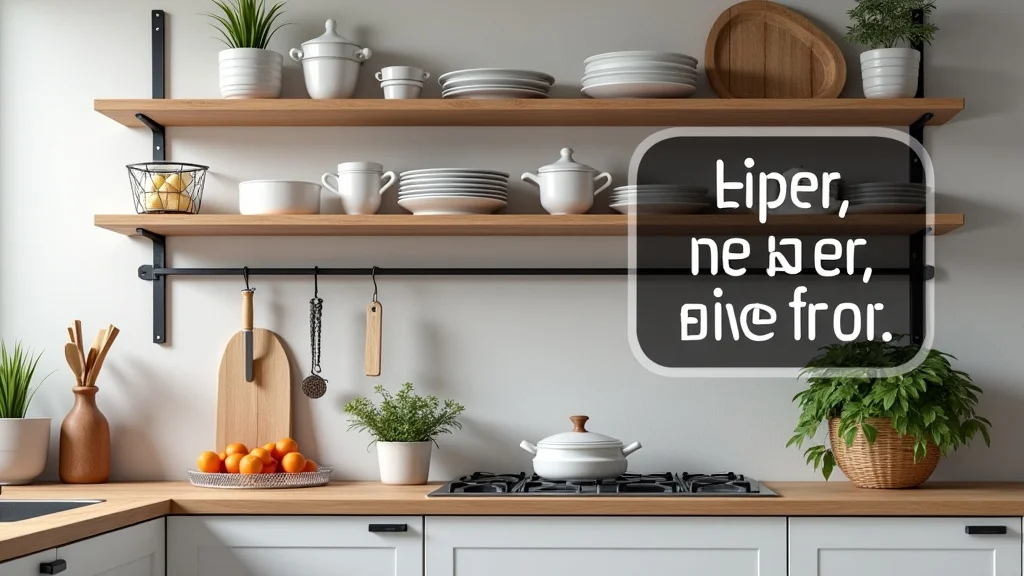
Looking to add some practical style to your kitchen? You’ve probably noticed how cluttered countertops can quickly become a problem. A simple solution is a wall shelf, but figuring out the right kitchen wall shelf price can be tricky.
This guide will help you understand what influences the cost and find shelves that fit your budget and needs.
Key Takeaways
- Shelf material significantly impacts the kitchen wall shelf price.
- Size and dimensions affect the overall cost of kitchen wall shelves.
- Installation complexity influences the final price you pay.
- Design and style choices add to the kitchen wall shelf price.
- Brand reputation and build quality play a role in shelf pricing.
- Additional features can increase the kitchen wall shelf price.
Understanding Kitchen Wall Shelf Price Factors
When you’re searching for the perfect kitchen wall shelf, the price tag can vary quite a bit. It’s not just about the number on the sticker; many different things go into determining how much a shelf will cost. Thinking about these factors helps you make a smart choice.
You want a shelf that looks good, holds your items securely, and doesn’t break the bank.
This section will break down the main reasons why one shelf might cost more than another. We’ll look at the materials they are made from, how big they are, and even how they are put together. Knowing this will make your shopping trip much easier.
Material Matters For Price
The stuff your kitchen wall shelf is made of is a big reason for its price. Solid wood shelves often cost more than those made of particleboard or MDF. This is because solid wood is stronger, lasts longer, and looks richer.
Pine is usually cheaper than oak or walnut.
Metal shelves, like those made from steel or iron, can also vary in price. Simple, thin metal might be less expensive. Thicker, more decorative metal with intricate designs will cost more.
Glass shelves, especially tempered glass for safety, can be moderately priced. Plastic shelves are typically the most budget-friendly option but might not look as good or last as long.
The quality of the finish also affects the price. A smooth, durable paint job or a polished wood stain adds to the cost compared to a rougher, unfinished surface.
- Solid Wood vs. Engineered Wood
- Metal Types
- Glass and Acrylic
Solid wood, like maple, cherry, or oak, is premium material. It’s strong, durable, and can be refinished. This natural beauty comes at a higher price.
Engineered wood products, such as particleboard or MDF (Medium-Density Fiberboard), are made from wood fibers or particles bound with resin. They are more affordable but can be less durable and susceptible to moisture damage. The surface might be covered with laminate or veneer to mimic wood grain.
Stainless steel is a popular choice for its durability and resistance to rust, making it suitable for kitchens. Its price depends on the gauge of the metal and any special finishes. Iron or steel shelves can be very strong and are often used for industrial or rustic styles.
Wrought iron can be more expensive due to the craftsmanship involved. Aluminum is lighter and often less expensive than steel but may not be as strong.
Tempered glass shelves offer a sleek, modern look and are safer than regular glass as they break into small, dull pieces. The thickness and type of edge finishing on glass shelves will impact the price. Acrylic shelves are lighter and more shatter-resistant than glass but can scratch more easily.
They are often a more affordable alternative for a similar visual effect.
Size and Load Capacity
Obviously, a bigger shelf will use more material, which generally means a higher kitchen wall shelf price. A long, deep shelf designed to hold many heavy items will cost more than a small, narrow shelf for decorative items.
The intended load capacity is also a factor. Shelves built to hold more weight, like heavy pots and pans or a collection of books, require stronger materials and more robust support systems. This increased durability and engineering lead to a higher price.
Think about what you plan to put on the shelf. If it’s just a few spices, a small, lightweight shelf will suffice. If you need to store appliances or a large dinnerware set, you’ll need a larger, sturdier shelf, and the price will reflect that.
- Shelf Dimensions
- Weight Support
The length, depth, and thickness of a shelf directly correlate with the amount of material used. A shelf that is 48 inches long will naturally cost more than one that is 24 inches long, assuming all other factors are equal. Similarly, a shelf that is 12 inches deep offers more surface area and support than one that is 8 inches deep.
Thicker shelves generally suggest greater strength and may therefore be priced higher.
Manufacturers design shelves with specific weight limits in mind. A shelf rated for 50 pounds will likely be constructed differently and use stronger materials than a shelf rated for 15 pounds. This structural integrity, often achieved through thicker materials, reinforced brackets, or specialized construction techniques, adds to the overall kitchen wall shelf price.
Always check the maximum weight capacity before purchasing to ensure it meets your needs and avoid potential safety hazards.
Installation Complexity and Cost
The way a shelf is designed to be attached to the wall can also affect its price. Some shelves come with simple mounting hardware and clear instructions, making DIY installation easy. Others might require special brackets, anchors, or even professional mounting.
Shelves that appear to “float” on the wall often have hidden mounting systems that are more complex to produce and install, thus increasing the kitchen wall shelf price. Shelves that need to be assembled from multiple parts before installation can also add to the labor cost if you’re not doing it yourself.
Consider if the price includes mounting hardware. Some cheaper shelves might not come with screws or wall anchors, which you’ll have to buy separately. This is a small cost, but it’s part of the overall expense.
- Types of Mounting Systems
- DIY vs. Professional Installation
Shelves can be mounted using various methods. Keyhole slots allow for easy hanging with screws. French cleats provide a very strong and secure mounting solution by interlocking two angled pieces.
Floating shelves use internal brackets that are screwed into the wall studs, with the shelf sliding over them, creating a seamless look. The more complex or specialized the mounting hardware, the higher the manufacturing cost and potentially the retail kitchen wall shelf price.
For most wall shelves, DIY installation is achievable. However, very large or heavy shelves, or those requiring precise alignment, might benefit from professional installation. If you factor in the cost of hiring a handyman or contractor, the total expense can significantly increase.
Some higher-end shelves may include professional installation services in their price, which should be clearly stated. Always consider your own DIY skills and the tools available when estimating the true cost.
Design, Style, and Finish
The aesthetic appeal of a shelf plays a significant role in its price. A minimalist, modern design might be simpler to manufacture and thus less expensive than a shelf with intricate carvings, decorative edges, or a unique shape.
Finishes also add to the cost. Hand-painted finishes, distressed looks, or specialized coatings can increase the price compared to a standard laminate or painted surface. The overall craftsmanship and attention to detail in the design and finish will be reflected in the kitchen wall shelf price.
Consider how the shelf will fit with your existing kitchen décor. Sometimes, paying a little extra for a shelf that perfectly matches your style is worth it for the cohesive look it creates.
- Aesthetic Styles
- Surface Treatments and Finishes
The style of the shelf, from contemporary and minimalist to rustic and farmhouse, dictates its design and complexity. Modern shelves often feature clean lines and simple forms, using materials like metal, glass, or sleek wood. Rustic shelves might incorporate reclaimed wood, distressed finishes, or wrought iron details.
Farmhouse styles often combine wood with metal hardware, giving a charming, country feel. Each style requires different manufacturing processes and materials, influencing the kitchen wall shelf price.
Beyond the raw material, the surface treatment significantly impacts the look and cost. High-gloss finishes, matte coatings, oil rubs, or custom paint colors can all add to the manufacturing cost. Wood shelves might have detailed grain treatments, staining, or a multi-layer lacquer for enhanced durability and appearance.
These specialized finishes require more labor and higher-quality materials, contributing to a higher kitchen wall shelf price.
Brand Reputation and Quality
Just like with many products, well-known brands often charge more for their kitchen wall shelves. This premium can be due to a reputation for higher quality, better customer service, or superior materials and construction. A brand that has been around for a long time and has a history of producing durable items might be a safe bet, but you’ll pay for that assurance.
Cheaper, unbranded shelves might be tempting, but they can sometimes be made with lower-quality materials or have less attention to detail in their construction. This can lead to issues with durability, stability, or even safety down the line.
Reading reviews can help you gauge the quality of a shelf relative to its price. Sometimes, a lesser-known brand offers excellent value for money.
- Manufacturer’s Warranty
- Quality of Hardware
Reputable manufacturers often back their products with warranties. A longer or more comprehensive warranty indicates the company’s confidence in the shelf’s durability and quality. This peace of mind is built into the kitchen wall shelf price.
Cheaper brands may offer no warranty or a very limited one, suggesting they expect fewer issues but offering less recourse if problems arise.
The screws, brackets, and anchors included with a shelf contribute to its overall quality and stability. High-quality hardware ensures a secure and long-lasting installation. If a shelf comes with flimsy or generic hardware, you might need to
Additional Features
Some kitchen wall shelves come with extra features that can increase their price. These might include integrated lighting, built-in hooks for utensils, or magnetic strips for knives. Shelves that are part of a modular shelving system, allowing you to expand or reconfigure your storage, will also typically be more expensive.
Consider whether these extra features are actually useful for your specific kitchen needs. Sometimes, a simple shelf is all you need, and paying for bells and whistles you won’t use is just a waste of money. However, if an integrated knife strip or built-in spice rack really streamlines your kitchen, it might be a worthwhile investment.
- Integrated Lighting
- Built-in Accessories
- Modular or Expandable Systems
Some modern shelving units include LED lighting strips, either under the shelf or within its structure. This adds a functional and decorative element, illuminating countertops or display items. The cost of the lighting components, wiring, and any necessary power supply (battery or plug-in) will increase the kitchen wall shelf price.
Shelves might feature integrated racks for wine bottles, holders for mugs, or hooks for hanging kitchen tools. These multi-functional designs offer added utility, saving space and keeping items organized. The design and manufacturing complexity of incorporating these accessories into the shelf structure contributes to the overall kitchen wall shelf price.
Certain shelving systems are designed to be modular, allowing users to combine multiple units, add more shelves, or change the configuration. These systems often require more standardized components and sophisticated joinery, leading to a higher initial kitchen wall shelf price. However, their flexibility can provide long-term value as your storage needs change.
Real-Life Examples Of Kitchen Wall Shelf Prices
To give you a clearer picture, let’s look at some common types of kitchen wall shelves and their typical price ranges. These are general estimates, and actual prices can vary based on the factors discussed earlier, as well as sales and regional pricing.
You might find a simple, small pine shelf for under $20. On the other hand, a custom-built, solid oak shelf with intricate detailing could easily cost several hundred dollars. Knowing these ranges helps set your expectations.
| Shelf Type | Typical Price Range | Description |
|---|---|---|
| Basic Pine Shelf (24″) | $15 – $30 | Simple, unfinished or lightly stained, often includes basic hardware. |
| MDF Floating Shelf (30″) | $30 – $60 | Includes hidden mounting bracket, laminate finish, modern look. |
| Solid Oak Shelf with Metal Brackets (36″) | $70 – $150 | Durable wood, stylish industrial or farmhouse look, sturdy brackets. |
| Tempered Glass Shelf (24″) | $50 – $100 | Sleek, modern appearance, requires robust wall mounting. |
| Multi-Tiered Metal Shelf Unit | $100 – $250+ | Industrial style, multiple shelves, often freestanding or wall-mounted. |
| Custom Built-in Shelf | $200 – $500+ | Tailored to specific dimensions and design, premium materials, professional installation. |
These examples show how much the kitchen wall shelf price can differ. A basic pine shelf is great for a tight budget. If you need something that can hold a lot of weight and look good, you might spend more on a solid wood option with strong brackets.
Tips for Buying Smart
When you’re ready to shop for your kitchen wall shelf, keep these tips in mind to get the best value. Don’t just grab the first one you see; take a moment to assess its features against your needs and budget.
Look for sales and discounts. Many home improvement stores and online retailers offer promotions on shelving throughout the year. Sometimes, buying a slightly larger or better-quality shelf during a sale can be more cost-effective in the long run than buying a cheaper one that needs replacing sooner.
- Read Reviews
- Compare Prices Online
- Check for Sales and Clearance Items
- Consider DIY Options
Before making a purchase, spend time reading customer reviews. These can offer valuable insights into the real-world performance, durability, and ease of installation of a particular shelf. Pay attention to comments about the weight capacity, how well the finish holds up, and if the mounting hardware was adequate.
Reviews can help you avoid costly mistakes and find hidden gems.
Use online comparison tools and browse multiple retailers to find the best kitchen wall shelf price. Prices can vary significantly between different stores for the exact same product. Don’t forget to factor in shipping costs if you’re buying online, as these can sometimes make a cheaper item more expensive overall.
Keep an eye out for seasonal sales, holiday discounts, or clearance sections in stores and online. Many retailers mark down shelving units to make room for new inventory. You can often find high-quality shelves at a significantly reduced kitchen wall shelf price if you’re patient and shop strategically.
If you’re handy with tools, consider buying raw materials like wood planks and brackets separately. You can often create a custom-sized and styled shelf for less than buying a pre-made one. This also gives you complete control over the materials and finish.
Common Myths Debunked
Myth 1: All wooden shelves are expensive.
This is not true. While premium hardwoods like oak or walnut can be costly, softer woods like pine are often very affordable. DIYers can also create beautiful shelves from readily available, budget-friendly wood.
The kitchen wall shelf price depends heavily on the type of wood and the complexity of the design.
Myth 2: Floating shelves are always hard to install.
While floating shelves require careful installation to ensure they are secure and level, many come with user-friendly hardware and detailed instructions. For the average DIYer, installation is achievable with basic tools. The hidden bracket system, while appearing complex, is designed for straightforward mounting into wall studs.
Myth 3: Cheaper shelves are just as good as expensive ones.
Often, a lower kitchen wall shelf price reflects compromises in material quality, durability, or craftsmanship. Cheaper shelves may be made from particleboard that is susceptible to moisture, have flimsy hardware, or lack the structural integrity for heavier loads. Investing a bit more can lead to a shelf that lasts longer and performs better.
Myth 4: You need special tools to install any wall shelf.
Most standard wall shelves only require basic tools like a drill, screwdriver, level, and stud finder. Specialized tools are typically only needed for very heavy-duty installations or unique shelving systems. Many kits come with all the necessary hardware, simplifying the process.
Frequently Asked Questions
Question: What is the average price for a basic kitchen wall shelf?
Answer: A basic, smaller shelf made from materials like pine or MDF can range from $15 to $40.
Question: How much more do floating shelves typically cost?
Answer: Floating shelves often cost between $30 and $100, depending on the size and material, due to their hidden mounting hardware.
Question: Does material significantly affect kitchen wall shelf price?
Answer: Yes, solid wood is generally more expensive than MDF or particleboard, and metal types can also affect the cost.
Question: Are custom-made shelves much more expensive?
Answer: Yes, custom shelves offer tailored designs and sizes but will typically have a higher kitchen wall shelf price, often starting from $200 and going upwards.
Question: What factors add the most to the kitchen wall shelf price?
Answer: Premium materials, large size, complex designs, integrated features like lighting, and brand reputation are the biggest price drivers.
Conclusion
Finding the right kitchen wall shelf price involves looking beyond the tag. Material, size, installation, and design all play a part. By understanding these elements, you can select a shelf that is both functional and fits your budget.
Choose wisely to add style and storage to your kitchen.