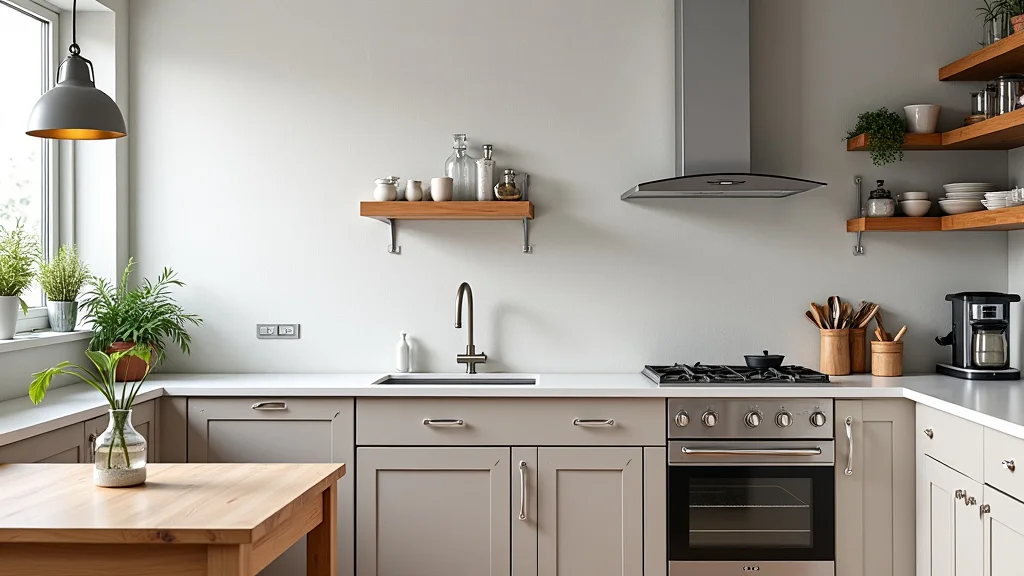
Thinking about refreshing your kitchen walls but unsure where to start with the budget? Many homeowners dream of a kitchen makeover but get stuck on the costs. You might love the idea of a vibrant floral pattern or a sleek modern design, but the thought of how much it will all add up can be overwhelming.
This guide will help you understand the factors influencing kitchen wallpaper decor price. You’ll learn how to choose the best wallpaper for your budget and get tips on installation costs, helping you make informed decisions for a beautiful kitchen without breaking the bank.
Key Takeaways
- Wallpaper costs vary greatly based on material, design, and brand.
- Installation adds to the overall project expense, with DIY being cheaper than professional help.
- Durable and washable wallpapers are best for kitchens to withstand moisture and stains.
- Budget-friendly options exist, from vinyl to peel-and-stick, without compromising style.
- Understanding square footage and waste is key to accurate cost estimation.
- Long-term value comes from choosing quality and appropriate materials for a kitchen environment.
Understanding Kitchen Wallpaper Decor Price Factors
The price of kitchen wallpaper decor can differ significantly from one option to another. This variation is due to several key elements that directly impact the final cost. When you’re planning your kitchen renovation, it’s important to consider these factors to set a realistic budget.
Understanding what drives the cost will help you make smart choices. You can achieve a stunning kitchen look by knowing where your money is going.
Material Matters for Price
The material a wallpaper is made from is one of the most significant determinants of its price. Different materials offer varying levels of durability, ease of cleaning, and aesthetic appeal, all of which contribute to their cost. For kitchens, where moisture, grease, and frequent cleaning are common, selecting the right material is crucial not just for looks but for longevity.
- Vinyl Wallpaper: This is a popular choice for kitchens. Its surface is coated with a layer of vinyl, making it highly durable, washable, and resistant to moisture and stains. This durability often comes at a mid-range price point, making it a good balance between cost and performance for a kitchen environment. A roll might cost between $30 and $70, depending on the design and brand.
- Paper-Based Wallpaper: Traditional paper wallpapers are generally the most budget-friendly option. However, they are less durable and not ideal for high-moisture areas like kitchens as they can easily absorb stains and humidity, leading to peeling or damage. These can be as low as $15 to $40 per roll.
- Textured Wallpaper: Wallpapers with added textures, such as grasscloth, linen, or embossed patterns, can add a rich, dimensional look to your kitchen. These materials are often more expensive due to their manufacturing process and natural components. Prices can range from $50 to over $100 per roll.
- Peel-and-Stick Wallpaper: This type is made from vinyl or a similar fabric with an adhesive backing, designed for easy application and removal. It’s a great option for renters or those who like to change their decor often. While convenient, the price can be comparable to or slightly higher than traditional vinyl wallpaper, typically $30 to $80 per roll, due to the adhesive technology.
The cost of these materials also reflects their ability to withstand the demanding environment of a kitchen. Vinyl’s resistance to grease splatters and steam makes it a practical choice, justifying its price. While paper might be cheap initially, replacing it more frequently could end up costing more in the long run.
Design and Aesthetics Impact
Beyond the material, the design complexity and aesthetic of the wallpaper play a substantial role in its price. Intricate patterns, custom designs, or those from high-end designers will naturally command higher prices than simple, mass-produced patterns. The visual appeal you desire for your kitchen directly influences the budget you’ll need.
- Pattern Repeat: Wallpapers with large or complex pattern repeats often cost more. This is because more material is wasted to align the pattern perfectly from one strip to the next. For instance, a wallpaper with a 24-inch repeat will require more paper than one with a 6-inch repeat to cover the same wall area, leading to a higher overall price per square foot.
- Color and Printing Techniques: Highly detailed prints, specialty inks, or multi-color designs can increase manufacturing costs. Metallic finishes, flocking, or hand-painted effects add to the price tag. Simple, solid colors or basic geometric patterns are usually more economical.
- Brand and Designer Collections: Well-known wallpaper brands or collections designed by popular interior designers often come with a premium price. These brands invest in design originality, quality control, and marketing, which is reflected in their pricing. A roll from a designer label can easily be $70 to $150 or more.
- Custom or Bespoke Designs: For a truly unique kitchen, custom wallpaper is an option. This involves creating a design specifically for your space, often printed on demand. The price for custom wallpaper is significantly higher, ranging from $100 to $500 per roll or even per square foot, depending on the complexity and artist involved.
When you see a wallpaper with a stunning, intricate floral pattern or a realistic marble effect, the price often reflects the artistry and technology required to achieve that look. It’s about balancing your aesthetic desires with your financial capacity.
Quantity and Roll Size Considerations
The quantity of wallpaper you need is directly tied to the size of your kitchen walls and the dimensions of the wallpaper rolls. Understanding these measurements is crucial for accurate cost estimation and avoiding unexpected expenses. You don’t want to run out of wallpaper mid-project or buy far too much.
Wallpaper is typically sold in rolls. The most common roll sizes in the US are approximately 20.5 inches wide by 33 feet long, covering about 56 square feet. In the UK and Europe, rolls are often wider, around 21 inches by 33 feet, covering about 57 square feet.
Always check the specific dimensions of the roll you are purchasing.
To calculate how many rolls you need, follow these steps:
- Measure the total width of all the walls you plan to wallpaper in your kitchen.
- Measure the height of your walls from the ceiling to the floor.
- Multiply the total wall width by the wall height to get the total square footage of your walls.
- Divide your total wall square footage by the square footage coverage of one wallpaper roll to determine the number of rolls needed.
- Always add an extra 10-15% to this number to account for pattern matching and potential errors during installation. This waste factor is especially important for patterned wallpapers.
For example, if your kitchen walls total 200 square feet and a roll covers 56 square feet, you would need approximately 3.57 rolls. To account for waste, you’d round up to 4 rolls. If the wallpaper costs $50 per roll, your material cost would be $200.
If the wallpaper has a large pattern repeat, you might need to increase the waste percentage to 20%, potentially requiring 5 rolls.
Kitchen Wallpaper Installation Costs
Beyond the material itself, the cost of installing kitchen wallpaper is a significant part of the overall budget. You have two main options: doing it yourself (DIY) or hiring a professional. Each comes with its own set of expenses and considerations.
DIY Installation Savings
Opting for a DIY installation can lead to substantial savings on your kitchen wallpaper project. The primary cost here is the tools and supplies you’ll need, which are often a one-time investment if you plan on doing more DIY projects in the future.
- Essential Tools: You will need a sharp utility knife or razor blade for trimming, a smoothing tool (like a plastic smoother or brush) to remove air bubbles, a measuring tape, a level or plumb line to ensure straight application, a seam roller for perfect edges, and a bucket for water or paste if not using pre-pasted paper.
- Adhesives and Primers: If your wallpaper isn’t pre-pasted or peel-and-stick, you’ll need wallpaper paste. The type of paste depends on the wallpaper material. Some walls may also benefit from a primer, which helps the wallpaper adhere better and makes future removal easier. These can add $20-$50 to your supply cost.
- Time Investment: The biggest “cost” of DIY is your time. Properly preparing the walls, measuring, cutting, applying, and smoothing wallpaper can take anywhere from a few hours to a full weekend, depending on the size of your kitchen and your experience level.
- Learning Curve: For beginners, there’s a learning curve. Mistakes like misaligned seams or air bubbles can happen. However, many affordable wallpapers, like vinyl or peel-and-stick, are forgiving and allow for repositioning.
For a project where you need 4 rolls of wallpaper costing $50 each ($200 total), your DIY supplies might add another $50-$100. This brings your total material and supply cost to around $250-$300. This is significantly less than professional installation, which can easily cost more than the wallpaper itself.
Professional Installation Expenses
Hiring a professional wallpaper installer can ensure a flawless finish, especially for intricate patterns or delicate materials. While it adds to the cost, the expertise and efficiency of a professional can be worth it for peace of mind and a high-quality result.
- Labor Costs: Professional wallpaper installers typically charge by the square foot or by the hour. Rates can vary widely based on your location, the complexity of the job, and the installer’s experience. Expect to pay anywhere from $50 to $150 per hour, or $2 to $6 per square foot for installation.
- Preparation Work: The installer will usually include wall preparation in their quote, which is vital for a good finish. This might involve cleaning, sanding, and priming. If your walls need significant repairs (like filling holes or smoothing major imperfections), these could be additional charges.
- Complexity of the Job: Installing wallpaper around windows, doors, cabinets, or complex architectural features can increase the time and thus the cost. Large pattern repeats also require more time for careful alignment.
- Removal Costs: If you are replacing old wallpaper, professional removal can also add to the overall expense, often charged at a similar rate to installation.
Using our previous example of 200 square feet of wall space and wallpaper costing $200, hiring a professional could add another $400 to $1200 for installation (based on $2-$6 per square foot). This brings the total project cost to $600-$1400. The higher end of this range would typically be for very complex patterns or challenging wall surfaces.
A common scenario is a small kitchen backsplash area. If you’re just wallpapering a 50 square foot area, the total wallpaper cost might be $100. Professional installation could be $100-$300 for such a small, manageable project.
This highlights how the scope of work heavily influences the price.
Budget-Friendly Kitchen Wallpaper Options
You don’t need to spend a fortune to give your kitchen a stylish update with wallpaper. Several budget-friendly options can provide a beautiful and durable finish without straining your finances. These alternatives often offer a great balance of affordability, style, and practicality for a kitchen setting.
Affordable Materials and Brands
When looking for cost-effective kitchen wallpaper, focus on materials and brands known for their value. This doesn’t mean sacrificing quality entirely, but rather finding smart choices that offer good performance at a lower price point.
- Value Vinyl Wallpaper: Look for vinyl wallpapers from less premium brands. Many home improvement stores and online retailers offer a wide selection of durable, washable vinyl designs at prices around $20-$40 per roll. These are excellent for kitchens as they hold up well against moisture and grease.
- Discount Online Retailers: Websites specializing in wallpaper often have sales sections or clearance items. You can sometimes find high-quality wallpaper from reputable brands at significant discounts. Keep an eye out for end-of-line patterns that are being phased out.
- Generic or Store Brands: Many large home improvement or craft stores carry their own brands of wallpaper. These are often priced lower than designer brands but still offer decent quality and a variety of styles suitable for kitchens.
For instance, a simple geometric or faux-tile pattern in a washable vinyl from a store brand might cost only $25 per roll. If your kitchen requires 4 rolls, your material cost is just $100, a fraction of what designer options would cost.
The Appeal of Peel-and-Stick
Peel-and-stick wallpaper has gained immense popularity, and for good reason. Its ease of use and removability make it an attractive option, especially for those who like to update their decor frequently or for rental properties. While some premium peel-and-stick options can be pricey, many affordable versions are now available.
- Ease of Application: The adhesive backing means no paste is required, simplifying the installation process considerably. This makes it a fantastic DIY option, saving on labor costs.
- Repositionable Quality: Most peel-and-stick wallpapers can be repositioned during installation, allowing you to correct mistakes without damaging the paper or the wall. This forgiving nature is ideal for beginners.
- Wide Variety of Designs: From modern abstracts to classic patterns and even faux materials like brick or wood, the design options for peel-and-stick are vast and constantly expanding, offering something for every kitchen style.
- Cost-Effectiveness for Small Projects: While a large room might become expensive with peel-and-stick, for smaller areas, such as a kitchen backsplash or accent wall, it can be very economical. A roll might cost $30-$60 and cover about 20-30 square feet.
A common scenario: a family wants to add a colorful accent wall behind their stove. They choose a vibrant geometric peel-and-stick wallpaper for a 30 square foot section. Two rolls at $40 each would cost $80.
With no need for paste or professional help, the total cost is just $80 for a significant visual impact.
Durability and Maintenance for Kitchens
Kitchens are active spaces, meaning any wallpaper chosen needs to be able to withstand a bit of wear and tear. Durability and ease of maintenance are key factors that influence the long-term value and practicality of your kitchen wallpaper decor price. Investing a bit more in a durable material can save you money and hassle down the line.
Washable and Scrubbable Properties
For a kitchen, selecting wallpaper that is washable or even scrubbable is paramount. These features allow you to easily clean away splatters from cooking, grease, and everyday grime without damaging the wallpaper’s finish or design.
- Washable Wallpaper: Typically refers to wallpapers that can withstand gentle wiping with a damp cloth and mild soap. This is sufficient for most light kitchen messes. Look for labels that indicate washability.
- Scrubbable Wallpaper: This is a more robust type, designed to handle more aggressive cleaning. You can use a soft brush or sponge with a bit more pressure to remove tougher stains. Vinyl wallpapers are often scrubbable.
- Moisture Resistance: While not strictly “washable,” many kitchen-suitable wallpapers have a degree of moisture resistance. This prevents steam from the oven or kettle from causing the wallpaper to bubble or peel, which is common with porous materials like paper.
A statistic from a home renovation survey indicated that 70% of homeowners prioritize ease of cleaning when selecting materials for their kitchen. This emphasizes the importance of choosing washable options.
Longevity and Cost Over Time
The initial kitchen wallpaper decor price might seem high for some options, but considering their longevity and maintenance needs can reveal their true value. A more durable, easy-to-maintain wallpaper will last longer, reducing the frequency of replacement and saving you money in the long run.
- Higher Initial Cost, Lower Long-Term Cost: While a premium vinyl or a high-quality washable wallpaper might have a higher upfront price per roll, its durability means it could last 10-15 years or more in a kitchen. A cheaper paper wallpaper might only last 2-5 years before needing replacement due to damage or wear.
- Preventing Costly Repairs: Investing in moisture-resistant wallpaper prevents damage from steam or spills that could lead to mold or peeling. Repairing or replacing damaged sections can be time-consuming and costly, especially if it requires professional reinstallation.
- Maintaining Aesthetic Appeal: A wallpaper that is easy to clean and resistant to fading will keep your kitchen looking fresh and appealing for longer. This avoids the expense and effort of premature redecoration just to maintain the look of your space.
Consider two scenarios: Wallpaper A costs $40 per roll and lasts 5 years. Wallpaper B costs $70 per roll and lasts 15 years. For a kitchen needing 4 rolls, Wallpaper A would cost $160 every 5 years, totaling $480 over 15 years.
Wallpaper B would cost $280 once over 15 years, offering a significant saving.
Decorating with Wallpaper in Different Kitchen Styles
Wallpaper can dramatically transform the look and feel of any kitchen, regardless of its existing style. The key is to choose a design that complements your overall aesthetic, from traditional to modern. The interplay of wallpaper with your kitchen’s theme is crucial for cohesive decor.
Modern and Contemporary Kitchens
For kitchens embracing a modern or contemporary style, wallpaper can add a sophisticated touch or a bold statement. Clean lines, geometric patterns, and minimalist designs often work best.
- Geometric Patterns: Bold, abstract, or repeating geometric shapes in monochrome or contrasting colors can create a striking focal point. Think chevrons, hexagons, or abstract art-inspired designs.
- Metallic Accents: Subtle metallic finishes in silver, gold, or copper can add a touch of luxury and reflect light, enhancing the modern feel.
- Faux Materials: Realistic-looking concrete, brushed metal, or sleek marble patterns can achieve a high-end industrial or minimalist look without the expense of the actual materials.
- Solid Colors with Texture: A textured solid color, like a subtle linen or a matte finish, can add depth and interest without overwhelming the space.
A popular choice for modern kitchens is a sleek, grey faux concrete wallpaper. A roll might cost $50, and for a small accent wall of 40 square feet, two rolls would suffice, totaling $100 in material costs. This gives a sophisticated, industrial vibe.
Traditional and Farmhouse Kitchens
Traditional and farmhouse kitchens often benefit from wallpapers that evoke warmth, comfort, and a sense of history. Classic patterns and natural textures are key.
- Floral and Botanical Prints: Delicate floral patterns, vintage-inspired botanical prints, or subtle damask designs can add a charming, timeless feel.
- Plaid and Gingham: These classic patterns are perfect for a farmhouse aesthetic, offering a cozy and inviting atmosphere.
- Toile Patterns: French toile designs, often depicting pastoral scenes, can bring an elegant, country charm to a traditional kitchen.
- Subtle Textures: Linen, grasscloth, or subtly textured wallpapers can add natural warmth and depth without being too busy.
For a farmhouse kitchen, a country floral pattern or a classic gingham design might be ideal. A roll could be priced at $40. If you need 5 rolls for your kitchen walls, the total material cost would be $200.
This provides a welcoming, rustic charm.
Transitional and Eclectic Kitchens
Transitional kitchens blend elements of both modern and traditional styles, while eclectic kitchens mix and match various influences. Wallpaper in these spaces can serve to tie different elements together or act as a playful statement.
- Damask or Brocade with Modern Colors: A classic damask pattern in a contemporary color palette (like navy, teal, or a soft grey) can bridge traditional and modern design.
- Global-Inspired Patterns: Moroccan tiles, intricate paisley, or subtle ikat designs can add an exotic and personal touch to an eclectic space.
- Textured Neutrals: A textured wallpaper in a neutral tone can provide a sophisticated backdrop that allows other decor elements to stand out.
- Bold Geometric with Soft Accents: Pairing a strong geometric wallpaper on one wall with softer, more traditional elements elsewhere can create visual interest.
An example might be using a deep teal damask wallpaper in a transitional kitchen. A roll at $60, with 3 rolls needed for an accent wall, would cost $180 for a touch of elegance that can be styled both classically and modernly.
Common Myths Debunked
Myth 1: Wallpaper is Not Practical for Kitchens Due to Moisture
This is a common concern, but modern wallpapers are designed with kitchens in mind. Many are made from vinyl or other water-resistant materials that can handle steam and moisture without peeling or damage. Look for washable and scrubbable ratings.
Myth 2: Wallpaper is Too Expensive for Most Budgets
While high-end designer wallpapers can be costly, there are numerous budget-friendly options. Vinyl, peel-and-stick, and options from discount retailers offer stylish solutions at various price points. The overall cost often depends on the material, design complexity, and quantity needed.
Myth 3: Installing Wallpaper is Very Difficult for DIYers
While professional installation ensures perfection, many types of wallpaper, especially peel-and-stick and pre-pasted vinyl, are designed for easy DIY application. With patience and the right tools, most homeowners can achieve great results.
Myth 4: All Wallpaper is Permanent and Hard to Remove
Many contemporary wallpapers, particularly peel-and-stick varieties, are designed for temporary use and easy removal. Even traditional wallpapers are often strippable, meaning they come off in large sheets without excessive scraping, especially when applied over a proper primer.
Myth 5: Wallpaper Fades Quickly in Kitchens Due to Light and Grease
Quality wallpapers, especially those made of vinyl or with UV-resistant inks, are formulated to resist fading from sunlight and staining from kitchen grease. Choosing a washable, durable material will help maintain its appearance for many years.
Frequently Asked Questions
Question: How much does kitchen wallpaper decor price typically range per roll?
Answer: Kitchen wallpaper prices per roll can range from $20 for basic vinyl to over $150 for high-end designer options. Most mid-range, durable options suitable for kitchens fall between $30 and $70 per roll.
Question: Is vinyl wallpaper the best choice for a kitchen?
Answer: Vinyl wallpaper is an excellent choice for kitchens because it is durable, washable, and resistant to moisture and grease, which are common in this environment. It offers a good balance of practicality and aesthetic appeal.
Question: Does the pattern repeat affect the kitchen wallpaper decor price?
Answer: Yes, wallpapers with large or complex pattern repeats often cost more. This is because more material is wasted to ensure the pattern aligns correctly between strips, leading to a higher price per square foot.
Question: How much extra should I budget for wallpaper installation in my kitchen?
Answer: For professional installation, budget anywhere from $2 to $6 per square foot, or $50-$150 per hour, depending on your location and the job’s complexity. DIY installation only requires the cost of tools and supplies, which is significantly less.
Question: Can I use peel-and-stick wallpaper in a high-moisture kitchen area like behind the sink?
Answer: Yes, most good quality peel-and-stick wallpapers are made of vinyl and are moisture-resistant, making them suitable for behind sinks or stoves. However, ensure proper sealing around edges and consider using a scrubbable option for easy cleaning.
Conclusion
Choosing the right kitchen wallpaper decor price involves balancing material, design, and installation. Durable, washable vinyl and peel-and-stick options offer great value for kitchens. Consider your budget carefully by measuring your walls and accounting for pattern waste.
Professional installation adds cost but ensures a flawless finish. For a beautiful, updated kitchen, select wallpaper that fits your style and can withstand daily life. Your kitchen can look stunning without breaking the bank by making informed choices.