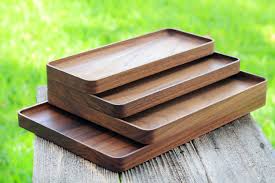
Thinking about a new kitchen upgrade? Maybe you’re eyeing that beautiful wooden tray you saw online, perfect for serving guests or just organizing your countertops. But before you click ‘buy,’ you’re probably wondering about the cost. It’s common to feel a bit unsure about how much you should expect to pay for a kitchen wooden tray. This guide will break down the factors influencing the price and help you find the best value. We’ll explore what makes one tray cost more than another, so you can make a confident purchase.
Key Takeaways
- Wooden tray prices vary based on material quality and wood type.
- Size and design complexity significantly impact the kitchen wooden tray price.
- Handmade or custom wooden trays typically have a higher price point.
- Brand reputation and where you buy can also affect the cost.
- Durability and finish play a role in the overall value and price.
Factors Affecting Kitchen Wooden Tray Price
The cost of a kitchen wooden tray is not a single number. Many elements come together to determine its final price. Think of it like buying a piece of furniture; the wood, the craftsmanship, and the details all add up. When you look at different wooden trays, you’ll notice differences in how they look and feel, and these differences are directly tied to what you’ll pay. Understanding these factors helps you decide if a particular tray is worth its price tag.
Wood Type and Quality
The type of wood used for a tray is one of the biggest price drivers. Some woods are harder to find, harder to work with, or more naturally beautiful, making them more expensive. For instance, exotic hardwoods like walnut or teak are usually pricier than common woods like pine. Walnut offers a rich, deep color and a smooth grain. Teak is known for its durability and natural oils, which resist moisture, making it ideal for kitchen use. Pine, on the other hand, is softer, more prone to dents, and often lighter in color. Its affordability makes it a popular choice for budget-friendly options.
The quality of the wood also matters. Is it solid wood, or is it made from veneered particleboard? Solid wood will always command a higher price because it’s more durable, looks better over time, and feels more substantial. Wood that is free from knots, cracks, or other imperfections is also more valuable. Manufacturers carefully select and grade their wood, and higher grades mean higher costs. A tray made from a single piece of high-quality hardwood will cost more than one made from several smaller pieces of lower-grade wood.
- Hardwoods vs. Softwoods Hardwoods like oak, maple, and cherry are denser and more durable than softwoods like pine and fir. This density and durability often translate to a higher kitchen wooden tray price.
- Grain Pattern and Color Unique or desirable grain patterns, such as those found in figured maple or a straight, consistent grain in mahogany, can increase the value. Natural, rich colors also contribute to aesthetic appeal and price.
- Wood Sustainability and Sourcing Sustainably sourced wood, often certified by organizations like the Forest Stewardship Council (FSC), can sometimes add to the cost due to the practices involved in responsible harvesting.
Size and Dimensions
It makes sense that a larger tray will cost more than a smaller one. More wood is used, and often, larger pieces of wood are more difficult to source and work with. A small decorative tray, perfect for holding salt and pepper shakers, will be far less expensive than a large serving tray designed to carry multiple dishes to the dining table. When comparing prices, always consider the dimensions. A tray that measures 18 inches long will naturally cost more than one that measures 12 inches long, assuming all other factors are equal.
The shape of the tray can also influence the price. Simple rectangular or square trays are generally the most cost-effective. Trays with intricate curves, rounded corners, or unique shapes require more detailed cutting and shaping, which adds to the labor costs. These design elements contribute to a higher kitchen wooden tray price.
- Surface Area The total surface area dictates how much material is needed. A tray with a larger surface area will use more wood and therefore cost more.
- Depth and Height The depth of the tray also matters. A tray with higher sides might require thicker wood or more complex joinery, impacting the price.
- Usable Space Consider not just the outer dimensions but the usable inner space. A tray designed for maximum carrying capacity or display space might be larger and pricier.
Craftsmanship and Construction
The way a tray is put together plays a huge role in its price and quality. A well-made tray will last longer and look better. There are several construction methods, and some are more labor-intensive and skilled than others.
Dovetail joints, for example, are a sign of high-quality craftsmanship. These interlocking joints are strong and visually appealing but require significant skill and time to create. Simpler methods like butt joints, which are often reinforced with glue and screws or nails, are quicker and cheaper to produce.
The finish applied to the wood is also important. A smooth, even finish that protects the wood and enhances its natural beauty takes time and multiple layers of sealant, stain, or varnish. A poorly finished tray might look cheap and feel rough. High-quality finishes not only improve appearance but also add durability and make the tray easier to clean.
- Joinery Techniques Strong, attractive joinery like dovetails or mortise and tenon joints will increase the kitchen wooden tray price compared to simple glued and screwed joints.
- Sanding and Finishing Multiple sanding stages and the application of protective and decorative finishes are critical. A professional, smooth finish adds to the perceived value and cost.
- Handmade vs. Machine-Made Trays made by hand by skilled artisans are almost always more expensive than those mass-produced by machines. The human touch and unique variations in handmade items come at a premium.
Types of Wooden Trays and Their Price Ranges
The variety of wooden trays available means there’s a price for almost every budget. From simple, functional pieces to ornate decorative items, the options are vast. Understanding the common types can help you narrow down your search and your budget.
Serving Trays
Serving trays are perhaps the most common type of wooden tray. They are designed to carry food and drinks from the kitchen to a dining area or to present them to guests. These can range from basic flat boards to trays with built-in handles and raised edges to prevent spills.
A simple pine serving tray with no handles might be one of the most affordable options, perhaps costing between $15 and $30. A slightly larger tray made from a more durable wood like oak or maple, with sturdy handles, could range from $30 to $70. High-end serving trays made from premium hardwoods like walnut or teak, with elegant designs and superior finishes, can easily cost $80 to $150 or even more.
Decorative Trays
Decorative trays are meant more for display and organization than for heavy-duty serving. They are often used on coffee tables, ottomans, or as centerpieces. They can feature intricate carvings, inlays, or unique shapes.
These trays often command higher prices because their primary purpose is aesthetic. A small, beautifully carved tray might start at $40. Larger or more elaborately designed decorative trays, especially those made with contrasting wood inlays or detailed painting, can range from $60 to $120. Custom-designed decorative trays can go much higher, depending on the complexity.
Ottoman Trays
Ottoman trays are a specific type of decorative tray designed to fit perfectly on a standard ottoman or coffee table. They provide a stable surface for drinks, snacks, or decorative items. Many have a rectangular shape and a solid base.
The price for an ottoman tray will depend on the materials and finish. A medium-sized tray made from a common hardwood like acacia or rubberwood might cost between $40 and $70. Larger or more premium options, perhaps with metal accents or a more sophisticated finish, could be priced from $70 to $130.
Custom and Handmade Trays
These are often the most expensive, but also the most unique. When you commission a custom wooden tray, you’re paying for the artisan’s time, skill, and ability to create exactly what you envision. This could involve specific dimensions, wood types, intricate designs, or personal engravings.
A handmade serving tray from a skilled woodworker could start at $70 and go up to $200 or more, depending on the complexity and materials. Custom decorative trays with detailed carvings or inlays can easily exceed $200. The kitchen wooden tray price for these items reflects the bespoke nature of the product.
For example, a woodworker might take three days to craft a custom walnut serving tray with carved handles. Their hourly rate, combined with the cost of the premium wood and finishing supplies, would naturally result in a higher price than a mass-produced pine tray.
| Tray Type | Typical Wood | Price Range (USD) | Primary Use |
|---|---|---|---|
| Basic Serving Tray | Pine, Acacia | $15 – $40 | Serving food and drinks |
| Standard Serving Tray | Oak, Maple, Rubberwood | $30 – $70 | Serving, general use |
| Premium Serving Tray | Walnut, Teak, Cherry | $80 – $150+ | Elegant serving, display |
| Decorative Tray | Various hardwoods | $40 – $120+ | Display, organization, decor |
| Ottoman Tray | Acacia, Rubberwood, Oak | $40 – $130 | On ottomans and coffee tables |
| Custom/Handmade | Premium hardwoods | $70 – $200+ | Bespoke needs, artisan quality |
Where to Buy and Brand Influence
The place where you purchase your kitchen wooden tray can significantly affect its price. Different retailers have different overhead costs and target markets, which they pass on to consumers.
Retail Stores vs. Online Marketplaces
Large home goods stores and kitchen specialty shops often carry a good selection of wooden trays. These stores have the advantage of allowing you to see and feel the product before buying. However, their prices may be higher due to rent, staff, and other operational expenses. You might find a good quality tray in a department store for anywhere from $30 to $100.
Online marketplaces like Amazon, Etsy, and Wayfair offer a massive range of options at various price points. Amazon often has competitive pricing, especially for mass-produced trays. Etsy is a fantastic place to find unique, handmade, and custom wooden trays directly from artisans, which can range from $20 for simple items to over $300 for very intricate pieces. Wayfair offers a wide selection from many brands, often with good deals. Online shopping allows for easy price comparison, but you can’t physically inspect the item beforehand.
Brand Reputation
Established brands known for quality home goods or kitchenware often have higher prices. This is partly due to the trust consumers place in their name and the perceived consistency of quality. Brands that focus on sustainable sourcing or artisanal craftsmanship will also likely charge more. For instance, a well-known brand might sell a simple oak tray for $60, while a lesser-known brand or an unbranded item could offer a similar tray for $40.
Direct from Woodworkers/Artisans
Buying directly from a local woodworker or an independent artisan can sometimes offer better value. You might bypass retail markups and deal directly with the maker. This route is ideal if you’re looking for a custom piece or want to support small businesses. Prices here can vary greatly, but you often get more for your money in terms of quality and uniqueness.
Caring for Your Wooden Tray to Preserve Value
The kitchen wooden tray price you pay is an investment. To ensure that investment lasts and continues to look good, proper care is essential. Wood is a natural material that requires attention to maintain its beauty and integrity.
Cleaning and Maintenance
Avoid submerging wooden trays in water or putting them in a dishwasher. Water can cause the wood to warp, crack, or swell. Instead, wipe the tray clean with a damp cloth. For stubborn stains, a mild soap can be used sparingly, followed by immediate drying. Never use harsh chemicals or abrasive cleaners, as they can damage the finish and the wood itself.
Regular conditioning is also important, especially for hardwoods. Using a food-grade mineral oil or a beeswax-based conditioner can help keep the wood moisturized, prevent drying and cracking, and restore its natural sheen. Apply the conditioner sparingly, let it soak in for a few minutes, and then wipe off any excess. This simple step can significantly extend the life and appearance of your tray.
- Wipe clean Always use a damp cloth, never soak.
- Dry thoroughly Immediately after cleaning, dry the tray completely with a soft cloth.
- Condition periodically Apply mineral oil or wood conditioner every few months, or as needed, to maintain moisture.
Protecting from Heat and Moisture
Be mindful of where you place your wooden tray. Avoid direct, prolonged exposure to heat, such as placing it next to a hot oven or stove, as this can cause the wood to dry out and crack. Similarly, avoid leaving it in areas with high humidity for extended periods. Using a trivet or coaster underneath very hot dishes is a good practice, even if the tray is treated.
Avoiding Scratches and Dents
Wooden trays can be scratched or dented by sharp objects. Try to avoid cutting directly on the tray surface unless it’s specifically designed for that purpose with a very hard finish. When serving, be careful not to scrape serving utensils against the wood.
Common Myths Debunked
Myth 1: All wooden trays are the same price.
This is not true. The kitchen wooden tray price varies significantly based on the type of wood used, the size of the tray, the craftsmanship involved, and where it is purchased. For example, a tray made from rare ebony will cost far more than one made from common pine.
Myth 2: Cheaper wooden trays are just as good as expensive ones.
While you can find affordable wooden trays, they might be made from lower-quality wood, have simpler construction, or lack a durable finish. These factors can lead to the tray being less durable, more prone to damage, and not looking as good over time. The kitchen wooden tray price often reflects its materials and how well it’s made.
Myth 3: Wooden trays are difficult to clean and maintain.
Wooden trays are actually quite easy to maintain with simple care. Wiping them with a damp cloth and occasional conditioning is usually all that’s needed. They do require avoiding dishwashers and prolonged soaking, but this is a small effort for a beautiful and functional item.
Myth 4: All wooden trays are handmade.
Many wooden trays are mass-produced using machines for efficiency and lower costs. Handmade wooden trays, crafted by skilled artisans, are typically more expensive due to the labor, skill, and unique nature of each piece. The kitchen wooden tray price for handmade items reflects this artisanal quality.
Frequently Asked Questions
Question: What is the average price for a wooden kitchen tray?
Answer: The average price can range widely, from about $20 for a simple pine tray to over $100 for a premium hardwood serving tray. Many good quality options fall between $30 and $70.
Question: Is walnut wood a good choice for a kitchen tray?
Answer: Yes, walnut is an excellent choice. It’s a hardwood known for its beauty, durability, and resistance to moisture, making it ideal for kitchen use. Trays made from walnut tend to be on the pricier side.
Question: How do I clean a wooden tray with a glossy finish?
Answer: For a glossy finish, use a soft, damp cloth to wipe away any spills or debris. Avoid abrasive cleaners. If needed, use a very mild soap solution, and then wipe with a clean, damp cloth.
Dry thoroughly immediately afterward.
Question: Can I use a wooden tray to serve hot dishes directly?
Answer: While many wooden trays have protective finishes, it’s generally best to use trivets or coasters under very hot dishes to prevent potential damage to the finish or the wood itself. This helps maintain the tray’s quality and appearance.
Question: Where can I find affordable but good quality wooden trays?
Answer: Look at online retailers like Amazon or Wayfair for competitive pricing. Also, check out home goods stores during sales events. For unique finds, explore local craft fairs or independent woodworking shops.
Summary
Finding the right kitchen wooden tray price involves looking at wood type, size, craftsmanship, and where you shop. Simple pine trays are budget-friendly, while walnut or teak with detailed designs cost more. Handmade and custom options offer uniqueness at a higher kitchen wooden tray price. Caring for your tray with proper cleaning and conditioning ensures it lasts. Armed with this knowledge, you can confidently choose a wooden tray that fits your style and budget.