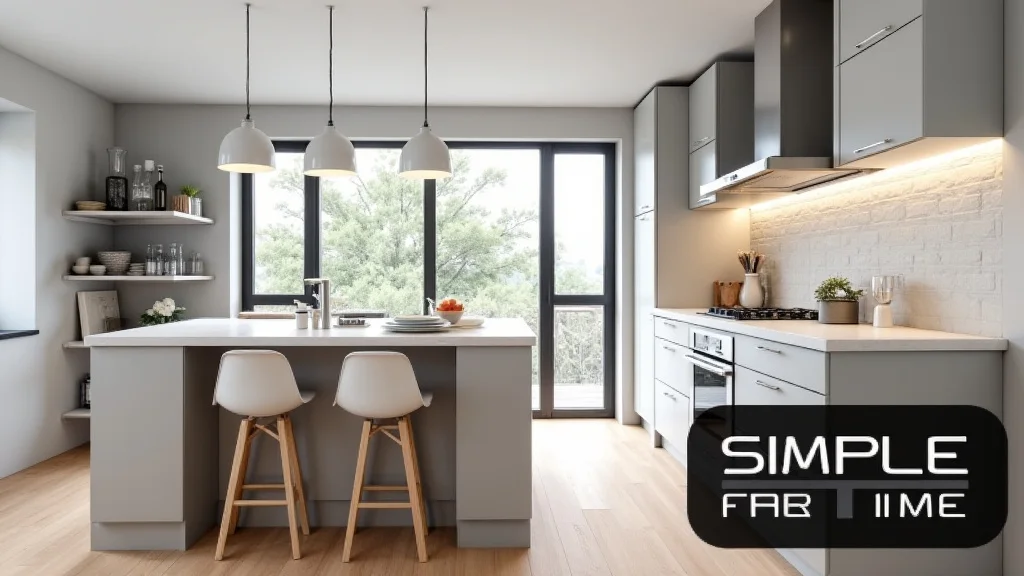
Are you dreaming of a kitchen that’s both beautiful and functional? Perhaps you’ve been scrolling through inspiring photos, only to wonder about the cost. The price of a modular kitchen cabinet can seem like a mystery, with so many factors influencing the final figure. This guide aims to demystify the modular kitchen cabinet price, helping you make informed decisions and plan your renovation budget with confidence. We’ll explore everything from material choices to design elements and installation costs so you know what to expect.
Key Takeaways
- Material quality significantly impacts modular kitchen cabinet price.
- Cabinet design and features add to the overall cost.
- Brand and manufacturer reputation play a role in pricing.
- Installation services are a separate but essential cost.
- Customization options offer flexibility but can increase the budget.
- Hidden costs can arise, so a detailed quote is important.
Factors Affecting Modular Kitchen Cabinet Price
When you’re looking into the cost of a modular kitchen cabinet, many elements come into play. The materials used are a primary driver. For instance, solid wood cabinets, known for their durability and classic look, are generally more expensive than particleboard or MDF (Medium-Density Fiberboard) options. Laminate and veneer finishes offer a middle ground, providing a range of aesthetic choices at varying price points.
The complexity of the design also affects the final price. Simple, straight-line cabinets will cost less than those with intricate details, curved edges, or multiple sections. Think about how many cabinets you need, their sizes, and whether they will be floor-standing or wall-mounted. Each decision influences the amount of material and labor involved.
The brand or manufacturer you choose will also have an impact. High-end brands often come with a premium price tag, reflecting their reputation for quality, design, and customer service. However, many mid-range and budget-friendly options can still offer excellent value and style.
Material Choices and Their Impact
The material is perhaps the most significant factor influencing modular kitchen cabinet price. Different materials offer distinct advantages in terms of durability, aesthetics, and cost.
Solid wood, such as oak, maple, or cherry, is a premium choice. It’s strong, long-lasting, and can be refinished multiple times. Its natural beauty provides a timeless appeal. However, solid wood can be susceptible to warping or cracking with extreme changes in humidity and temperature, and it is the most expensive option.
Plywood is another durable choice. It’s made from thin layers of wood veneer glued together. Plywood is strong, stable, and resistant to moisture, making it a good option for cabinet boxes. The quality of plywood can vary, with higher grades offering better stability and finish.
MDF (Medium-Density Fiberboard) is an engineered wood product made from wood fibers, resin, and wax. It’s denser and more stable than particleboard and provides a smooth surface for painting or laminating. MDF is generally less expensive than solid wood or high-quality plywood. It is important to note that MDF can be susceptible to water damage if not properly sealed.
Particleboard is the least expensive option. It’s made from wood chips and shavings bonded together with resin. While affordable, particleboard is less durable and more prone to damage from moisture and heavy loads. It’s often used for cabinet doors or less critical components.
Laminate finishes are applied over a substrate like MDF or particleboard. They offer a wide range of colors, patterns, and textures, mimicking wood grains or solid colors. Laminates are relatively durable and easy to clean, making them a popular and cost-effective choice.
Veneers are thin slices of real wood applied over a substrate. They offer the look of solid wood at a lower cost. However, veneers can be scratched or chipped, and they cannot be refinished like solid wood.
- Solid Wood: Offers superior durability and aesthetic appeal but comes at the highest cost.
- Plywood: A strong and stable option, good for cabinet boxes, with a moderate price point.
- MDF: Versatile and smooth, suitable for painted finishes, moderately priced, but vulnerable to water.
- Particleboard: The most budget-friendly choice, but less durable and susceptible to moisture damage.
- Laminate: Offers diverse designs and good durability for its cost, a popular mid-range option.
- Veneer: Provides the look of real wood at a lower price than solid wood, but less repairable.
Design and Customization Options
The way your modular kitchen cabinets are designed and the specific features you choose will significantly impact the modular kitchen cabinet price. Simple, standard-sized cabinets with basic hinges and drawer slides will naturally be less expensive than custom-designed units.
Consider the number of doors and drawers. More drawers generally mean a higher cost due to the increased hardware and complexity of installation. Soft-close hinges and drawer slides, while a nice luxury, also add to the price. These features prevent doors and drawers from slamming shut, adding a touch of elegance and preventing wear and tear.
Internal fittings and accessories further influence the cost. Things like pull-out spice racks, corner cabinet carousels, integrated waste bins, or specialized drawer organizers can significantly increase the budget. These accessories are designed to maximize space and improve functionality, but they come at an added expense.
The style of the cabinet doors is another important factor. Flat-panel doors are typically the most economical. Raised-panel or shaker-style doors involve more intricate woodworking and therefore cost more. Custom finishes, such as unique paint colors or specialized hardware, will also add to the overall price.
Cabinet Styles and Their Price Implications
Cabinet door styles range from simple to elaborate, each with a different cost associated.
Flat-panel doors, also known as slab doors, are characterized by their clean, minimalist design. They consist of a single flat piece of material. Their simplicity makes them the most cost-effective option, as they require less labor and material to produce.
Shaker-style doors have a simple, recessed center panel with a frame around it. This design is classic and versatile, fitting well into both modern and traditional kitchens. The extra frame construction makes them slightly more expensive than flat-panel doors.
Raised-panel doors feature a center panel that is raised or contoured. This adds depth and a more traditional or ornate look to the cabinets. The detailed craftsmanship involved in creating raised panels makes them one of the more expensive door styles.
Beadboard doors have vertical grooves or “beads” running down the panel, giving them a cottage or farmhouse feel. The process of creating these grooves adds to the production cost.
In-frame cabinets, where the door attaches to a face frame on the front of the cabinet box, are another style. This construction is traditionally more robust and can appear more substantial, often coming with a higher price tag due to the extra frame material and assembly.
- Flat-panel doors: Simple and cost-effective.
- Shaker-style doors: A popular balance of style and cost.
- Raised-panel doors: Offer a more detailed, traditional look at a higher price.
- Beadboard doors: Provide a specific aesthetic with an associated cost for the detailing.
- In-frame cabinets: A robust construction that typically increases the overall price.
Brand Reputation and Manufacturer Value
The brand you select for your modular kitchen cabinets plays a significant role in the overall modular kitchen cabinet price. Established brands often command higher prices due to their long-standing reputation for quality, durability, and design innovation. They may use superior materials, employ more skilled craftspeople, and offer better warranties, all of which contribute to a higher upfront cost.
These brands also often invest more in research and development, ensuring their products are not only aesthetically pleasing but also highly functional and long-lasting. For example, a well-known brand might use patented drawer slide technology that ensures smoother operation and greater load capacity compared to generic alternatives.
Choosing a reputable manufacturer also means you are more likely to receive excellent customer service, reliable delivery, and support if any issues arise. This peace of mind can be worth the extra investment for many homeowners.
On the other hand, opting for a lesser-known or local manufacturer can sometimes offer significant savings. These companies might have lower overhead costs and can pass those savings on to consumers. However, it’s crucial to thoroughly vet these manufacturers, check reviews, and ensure they meet your quality standards and offer adequate warranties.
It’s a balance between perceived value, actual quality, and your budget. Some brands offer different tiers of products, allowing you to choose a balance between their premium lines and more budget-friendly options.
Comparing Top Brands and Budget Options
When evaluating modular kitchen cabinet price, it’s helpful to see how different brands stack up.
High-end brands, such as Poggenpohl or SieMatic, are known for their luxury designs, premium materials, and impeccable craftsmanship. These kitchens can cost tens of thousands of dollars, reflecting the exclusivity and customisation offered. Their pricing is driven by the use of rare woods, bespoke finishes, and cutting-edge technology.
Mid-range brands, like IKEA or KraftMaid, offer a good balance of quality, style, and affordability. IKEA cabinets, while requiring self-assembly, are popular for their modern designs and accessible pricing, often starting at a few thousand dollars for a basic kitchen. KraftMaid offers a wider range of styles and finishes, with prices that can range from $5,000 to $20,000 depending on the complexity and materials.
Budget-friendly options might include cabinets from large home improvement stores or smaller, local cabinet makers. These can offer very competitive pricing, sometimes starting as low as $1,000 to $3,000 for a small kitchen. However, the materials might be less durable, and the warranty coverage could be limited. It’s essential to inspect the construction quality and material specifications carefully with these options.
A study by the National Association of Home Builders found that kitchen renovations can account for a significant portion of a home’s value. The materials and brands chosen for cabinetry are often the largest single expense in this renovation.
- Luxury Brands: High cost, premium materials, extensive customization, superior craftsmanship.
- Mid-Range Brands: Good balance of quality, style, and price, offering diverse options.
- Budget Brands: Most affordable, but may compromise on material durability and warranty.
- Local Manufacturers: Can offer competitive pricing with personalized service, but requires careful vetting.
Understanding the Cost Components of Modular Kitchen Cabinets
When you receive a quote for modular kitchen cabinets, it’s not just for the wood and hinges. Several distinct cost components make up the final price you pay for your new kitchen. Understanding these elements helps you negotiate better and avoid unexpected expenses.
The most obvious cost is for the cabinets themselves. This includes the materials for the cabinet boxes, doors, drawers, and any internal shelving. The type of wood, finish, and complexity of the design will all contribute to this base price.
Hardware is another significant cost. This includes hinges, drawer slides, handles, and knobs. While seemingly small, high-quality hardware can add up. For example, soft-close mechanisms for drawers and doors are a popular upgrade that increases the cost.
Design and planning services are often included, especially with professional kitchen designers or reputable manufacturers. They will help you measure your space, create a layout, and select the right components. This expertise is valuable and contributes to the overall price.
Finally, installation is a crucial cost component. This involves the labor to transport, assemble, and fit your cabinets perfectly into your kitchen space. Professional installation ensures the cabinets are level, securely fastened, and properly aligned, which is vital for both aesthetics and functionality.
Cabinet Materials and Their Price Breakdown
The price of cabinet materials can vary widely, and this is where a substantial portion of your modular kitchen cabinet price comes from.
For cabinet boxes, the substrate material is key. High-grade plywood is more expensive than MDF or particleboard. A standard 3×3-foot base cabinet box made from ¾-inch furniture-grade birch plywood might cost $75-$120. The same size box made from MDF could be $50-$80, and particleboard might be $40-$60.
Cabinet doors and drawer fronts offer even more variation. Solid wood doors, especially exotic hardwoods, can be $100-$300+ per door. Shaker-style doors in oak might range from $70-$150. Laminate doors are more budget-friendly, typically $40-$80. Painted MDF doors, which offer a smooth finish, can be $60-$120 depending on the paint quality and finish.
Internal fittings also add up. A set of full-extension, soft-close drawer slides can cost $40-$80 per pair. A pull-out trash bin mechanism might add $50-$150. Corner cabinet solutions like a lazy Susan or pull-out shelves can range from $100-$300 each.
Hardware and Fixture Costs
The hardware on your modular kitchen cabinets might seem like a minor detail, but it can add up and influence the overall modular kitchen cabinet price significantly. Hinges and drawer slides are the functional workhorses.
Cabinet hinges attach the doors to the cabinet boxes. Standard, non-soft-close hinges are the most affordable, often costing $2-$5 each. Soft-close hinges, which provide a gentle, silent closing action, are more expensive, typically ranging from $5-$15 each. The number of hinges needed depends on the size and weight of the doors.
Drawer slides allow drawers to open and close smoothly. Basic metal slides are the cheapest, but they can be less durable and may not offer smooth operation, costing $10-$20 per pair. Full-extension slides allow the drawer to pull out completely, giving full access to the contents, and usually cost $25-$50 per pair. Soft-close full-extension slides are the premium option, adding another $10-$30 per pair, for a total of $35-$80 per pair.
Handles and knobs are the decorative elements that complete the look of your cabinets. These can range from very inexpensive plastic or basic metal options for less than $1 each to high-end designer hardware made from materials like brushed nickel, polished chrome, or even decorative ceramic, which can cost $10-$50 or more per piece. For a kitchen with 20 doors and drawers, this decorative hardware alone could add $200 to $1,000+ to the total cost.
Design, Planning, and Consultation Fees
Professional design and planning are integral to creating a functional and aesthetically pleasing modular kitchen. This service is often bundled into the price by manufacturers, but it’s a distinct cost element.
A kitchen designer will visit your home, take precise measurements, and discuss your needs and preferences. They use specialized software to create 2D and 3D renderings of your proposed kitchen layout. This helps you visualize the final result and make informed decisions about cabinet placement, appliance integration, and workflow.
This planning phase is crucial for optimizing space and ensuring the kitchen is ergonomic. A well-designed kitchen can prevent common issues like insufficient counter space or awkward traffic flow. The designer’s expertise in understanding how people use their kitchens translates into practical solutions.
The fees for design and planning can vary. Some companies offer this as a free service when you purchase cabinets from them. Others may charge a design fee, which is often credited back to your total purchase if you proceed with the cabinets. Hourly design rates can range from $50 to $150 or more, depending on the designer’s experience and the scope of the project.
The goal is to get a design that maximizes your space and fits your lifestyle. A good designer can also help you avoid costly mistakes by anticipating potential problems and recommending suitable solutions.
The Value of Professional Kitchen Design
Professional design ensures that your modular kitchen cabinet price reflects true value.
A professional designer can optimize the layout for better workflow, reducing steps between prep areas, cooking zones, and cleaning stations. This improves efficiency and makes cooking a more enjoyable experience.
They can also help you select materials and finishes that are not only beautiful but also durable and easy to maintain, potentially saving you money on repairs and replacements in the long run.
Experienced designers are skilled at maximizing storage in even the smallest spaces. They know about specialized cabinets and organizers that can make a huge difference in usability.
Furthermore, designers can help you stay within your budget by suggesting cost-effective alternatives that still meet your aesthetic and functional requirements.
Finally, a well-designed kitchen can significantly increase your home’s resale value. A professionally planned and executed kitchen is a major selling point for potential buyers.
- Improved functionality and workflow
- Selection of durable and low-maintenance materials
- Maximized storage solutions
- Budget-conscious material and design recommendations
- Increased home resale value
Installation Costs and Considerations
The final piece of the modular kitchen cabinet price puzzle is installation. Even the most beautiful and well-made cabinets will not function correctly or look their best if they are not installed by skilled professionals. Installation costs can vary depending on several factors.
The complexity of your kitchen layout is a major driver. A simple, straight-line kitchen will be less expensive to install than a U-shaped or galley kitchen with multiple corners and angles. The presence of windows, doors, or plumbing and electrical outlets that need to be worked around will also affect installation time and cost.
The experience and reputation of the installer or company are also important. Highly sought-after installers may command higher rates due to their proven track record and expertise. It is often recommended to get multiple quotes for installation to compare pricing and services offered.
The installation typically includes assembling the cabinets on-site (if they arrive flat-packed), securing them to the walls and floor, leveling them, and ensuring all doors and drawers align perfectly. It may also include minor adjustments to existing walls or plumbing if necessary.
It’s important to clarify what is included in the installation quote. Does it cover waste removal of old cabinets or packaging materials? Are electrical or plumbing hookups for appliances part of the service? Understanding these details upfront can prevent unexpected charges.
What Installation Typically Includes
Professional installation ensures your modular kitchen cabinets are fitted correctly and function as intended.
Assembly: If cabinets are delivered flat-packed, professional installers will assemble them on-site, ensuring all pieces are correctly joined and secured.
Securing Cabinets: Cabinets are securely fastened to wall studs for wall cabinets and to the floor for base cabinets. This ensures stability and safety.
Leveling and Alignment: Installers meticulously ensure that all cabinets are perfectly level and that doors and drawers align symmetrically for a polished look.
Trimming and Notching: Minor adjustments might be needed for electrical outlets, plumbing, or other architectural features. Installers are skilled in making precise cuts and notches to accommodate these.
Hardware Installation: Hinges are adjusted, and handles or knobs are attached to doors and drawers.
Cleanup: Professional installers will typically clean up the work area, removing packaging materials and debris.
Estimating Installation Fees
Installation fees for modular kitchen cabinets can range significantly. Generally, you can expect to pay anywhere from 15% to 30% of the total cabinet material cost for professional installation.
For a kitchen where the cabinets cost $5,000, installation might range from $750 to $1,500. For a more expensive kitchen with cabinets costing $15,000, installation could be between $2,250 and $4,500.
Factors that increase installation costs include:
- Complex kitchen layouts with many corners and angles.
- The need to work around existing plumbing, electrical, or HVAC systems.
- Custom modifications or cuts required for non-standard spaces.
- The installer’s hourly rate and the time estimated for the job.
- The need for specialized tools or equipment.
It is always advisable to get detailed quotes from at least three different professional installers or contractors. Ensure each quote clearly outlines the scope of work, the materials included, and the total cost.
Hidden Costs to Consider
Beyond the visible price tag of modular kitchen cabinets, there are often less obvious costs that can surprise homeowners. Being aware of these potential expenses helps in creating a more accurate overall budget for your kitchen renovation.
One common hidden cost is the removal and disposal of old cabinets. If you’re replacing an existing kitchen, you’ll need to factor in the cost of dismantling and hauling away the old units. This can sometimes be included in installation quotes, but it’s essential to confirm.
Similarly, minor structural modifications might be needed. This could include patching or repainting walls where old cabinets were removed, or potentially minor electrical or plumbing work to accommodate new cabinet placements or appliance hookups.
Another area often overlooked is the cost of new countertops and backsplashes. While not directly part of the cabinet price, they are essential components of a functional kitchen and are often installed alongside new cabinets. These can represent a substantial portion of your renovation budget.
Finally, consider the cost of any specialized accessories or organizational inserts that you might decide you need after the cabinets are installed. While you might initially opt for basic shelving, you may later realize that pull-out drawers or spice racks would greatly improve functionality.
Associated Renovation Expenses
When budgeting for modular kitchen cabinets, remember that they are part of a larger renovation.
Countertops: These are essential companions to cabinets. Prices vary hugely from laminate ($15-$50 per sq ft) to granite ($50-$200 per sq ft) or quartz ($75-$200 per sq ft).
Backsplash: This protects your wall and adds decorative flair. Ceramic tiles can start around $1-$5 per sq ft, while natural stone or intricate patterns can cost $10-$30+ per sq ft.
Appliances: New cabinets might necessitate new appliance sizes or placements, adding to the cost.
Flooring: While not always replaced, new flooring might be desired to match the new kitchen aesthetic.
Lighting: Upgraded under-cabinet lighting or new ceiling fixtures can enhance the kitchen’s look and functionality.
Contingency Planning for Unexpected Issues
A contingency fund is a wise addition to any home renovation budget. This is a percentage of your total estimated cost set aside for unforeseen problems.
A common recommendation is to allocate 10% to 20% of your budget as a contingency. For a $10,000 kitchen renovation, this would be $1,000 to $2,000.
This fund can cover issues like discovering mold behind old cabinets, needing to reroute plumbing due to an unexpected obstruction, or encountering the need for additional electrical work to support new appliances.
Having a contingency fund prevents stress and allows you to address problems without derailing the entire project or compromising on quality.
Common Myths Debunked
Myth 1: Modular Kitchen Cabinets Are Always Cheaper Than Custom-Built Ones
This is a common misconception. While “modular” suggests standardization, which can imply lower costs, it’s not always true. The price of modular kitchen cabinets depends heavily on the materials used, brand reputation, and the level of customization.
High-end modular cabinets made from premium woods with sophisticated hardware can easily rival or exceed the cost of well-built custom cabinets. Custom cabinets allow for unique materials and designs not typically found in modular lines, which can sometimes be more cost-effective if you have very specific, simple needs.
Myth 2: All Modular Cabinets Are Flat-Packed and Require DIY Assembly
This is not universally true. While some modular kitchen systems, like those from IKEA, are designed for customer assembly to reduce costs, many manufacturers offer pre-assembled modular cabinets. These are ready to be installed by professionals.
When purchasing, it’s important to clarify whether the cabinets come assembled or require assembly, and factor in the associated labor costs if you’re not planning to do it yourself.
Myth 3: You Can’t Personalize Modular Kitchen Cabinets
While modular cabinets are built using standard sizes and components, there is often a significant degree of personalization available. Manufacturers offer a wide range of door styles, finishes, colors, hardware options, and internal accessories. You can also often mix and match different cabinet modules to create a layout that suits your space and needs.
For those requiring truly unique designs, semi-custom options are also available which bridge the gap between fully modular and completely custom.
Myth 4: Cheaper Materials Mean Lower Quality Cabinets
Not necessarily. While premium materials like solid hardwood do command higher prices, there are many durable and high-quality engineered materials like high-grade plywood or certain laminates that offer excellent value. The key is understanding the specific material’s properties and how it’s manufactured.
For instance, well-constructed MDF cabinets with a durable laminate finish can be very resistant to wear and tear and are much more affordable than solid wood. It’s about choosing the right material for the job and budget, not just the cheapest option.
Frequently Asked Questions
Question: What is the average cost of a modular kitchen cabinet?
Answer: The average cost of modular kitchen cabinets can range widely, typically from $3,000 to $15,000 or more, depending on the size of the kitchen, materials chosen, brand, and complexity of the design. A small, basic modular kitchen might cost around $3,000-$5,000, while a larger, high-end one could easily reach $10,000-$15,000.
Question: Are modular kitchen cabinets worth the investment?
Answer: Yes, modular kitchen cabinets are generally considered a worthwhile investment. They offer excellent functionality, efficient use of space, and a clean, modern aesthetic. They can also add significant value to your home.
The cost is often justified by their durability, design flexibility, and the improved usability of your kitchen.
Question: How long does it take to install modular kitchen cabinets?
Answer: The installation time for modular kitchen cabinets varies, but typically it takes 2 to 5 days for a standard-sized kitchen. This includes the time for assembly (if needed), mounting the cabinets, and making necessary adjustments. The complexity of the kitchen layout and any unexpected issues can extend this timeline.
Question: Can I mix and match modular cabinet brands?
Answer: It is generally not recommended to mix and match modular cabinet brands. Different brands often use slightly different sizing, construction methods, and hardware systems. This can lead to alignment issues, difficulties in installation, and an inconsistent look.
It’s best to stick with a single brand or manufacturer for a cohesive and well-fitting kitchen.
Question: What is the most durable material for modular kitchen cabinets?
Answer: For durability, high-quality plywood is often considered one of the most robust materials for cabinet boxes due to its strength and resistance to moisture and warping. For cabinet doors, solid hardwoods like maple or oak are very durable, but also expensive. High-pressure laminates on a sturdy substrate like MDF or plywood also offer excellent resistance to scratches and stains.
Final Thoughts
Understanding modular kitchen cabinet price involves looking at materials, design, brand, and installation. You can find great options across various budgets. Prioritize quality that fits your needs and always get detailed quotes. A well-planned modular kitchen is an investment that pays off in daily function and home value.